
A Dozen Great GTs for Every Budget
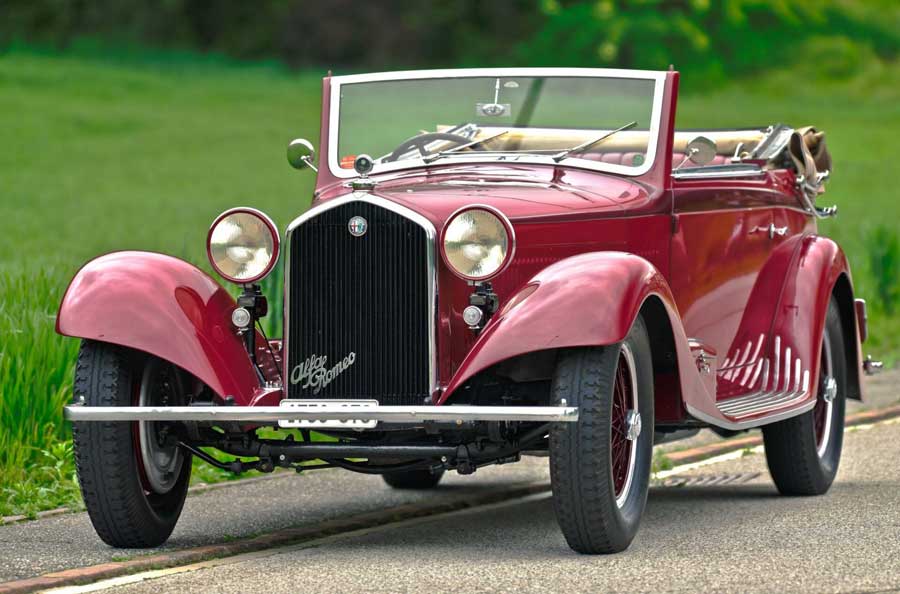
Alfa Romeo’s 6C 1750 Gran Turismo - Life in Classic
What Makes a Grand Tourer
What, exactly, is a GT? The initials stand for gran turismo, or grand touring. The name’s precise origin is debated, though Alfa Romeo’s 6C 1750 Gran Turismo of 1930 helped plant the flag. At its core, a GT blends sports car pace with luxury coupe comfort. It should cross long distances quickly, stylishly, and without fatigue. Luggage space matters because great weekends demand great bags.
Many carmakers have stuck GT badges on trim packages. That muddies the water. True gran turismo character starts on the drawing board, not in a marketing meeting. Engineers tune power, chassis, and comfort to the same goal. The result feels poised at 80 mph, unruffled on bad pavement, and eager on a winding road. When a car does that, it earns those two letters.
Budget Icons: Under $25,000
Value GTs exist, and they still turn heads. Ford’s 1961–63 “Bullet Bird” Thunderbird wrapped jet-age style around a smooth 390 V-8 and a calm ride. It cruises effortlessly, and the trunk swallows weekend luggage with ease. Meanwhile, the 1965–66 Chrysler 300 pairs big-block torque with handsome lines and long-legged manners. Options like the 440 TNT and front disc brakes made it a true highway companion.
Step back a decade, and the 1952–55 Lincoln Capri brings road-race grit. It won Mexico’s La Carrera Panamericana three years running, thanks to stout V-8 power and advanced suspension. Jump ahead, and the 1981–91 Jaguar XJ-S H.E. redeems the V-12 with better efficiency and strong, creamy thrust. Maintenance matters, but the reward is classic GT theater at attainable prices. In every case, these cars deliver comfort, pace, and presence without breaking the bank.
Middleweight Marvels: $25,001–$60,000
Climb the ladder and the list turns eclectic. The 1963–64 Studebaker Avanti mixes a fiberglass body, an aircraft-style cockpit, and available supercharged R2 power. It set records at Bonneville and looked like the future doing it. On the other side of the Atlantic, the 1980–86 Alfa Romeo GTV6 brings the soulful “Busso” V-6, a rear transaxle, and de Dion suspension. It sings, steers, and tours with verve.
Prefer American refinement? The 1967–68 Mercury Cougar XR-7 delivers European-tinged style, full gauges, and available GT hardware. Period testers even compared it favorably to Jaguar. Speaking of luxury, the 1991–2003 Bentley Continental R proves a big coupe can be a GT. Its turbocharged 6.75-liter V-8 and tightened chassis make rapid cross-continent travel feel effortless. Thanks to depreciation, you get old-world materials and real pace at new-sedan money.
Blue-Chip Tourers: $60,001 and Up
At higher budgets, pedigree meets polish. Lamborghini’s 1966–68 400 GT 2+2 refines the V-12 GT template with elegant Touring coachwork and a silken, 4.0-liter DOHC twelve. It is quiet, fast, and refined—built for the autostrada. Earlier still, the 1951–58 Lancia Aurelia Gran Turismo pairs the first production V-6 with a rear transaxle and timeless Pinin Farina lines. It helped define the very idea of GT travel.
Some cars mix continents as well as they mix miles. The 1967–76 Jensen Interceptor blends Italian styling with American Chrysler V-8 muscle and British craftsmanship. It is quick, comfortable, and immensely charismatic. Then there is BMW’s 1991–97 8 Series. The E31 introduced a sleek pillarless coupe, advanced electronics, and V-12 calm at speed. Alpina’s B12 5.0 variants add bespoke power and detailing, turning a flagship into a connoisseur’s choice. These cars can be expensive to recommission, but when sorted, they deliver exactly what a GT should: silence, speed, presence, and range.
How to Choose the Right GT
The best GT for you depends less on headline performance and more on intended use. A weekend cruiser needs different qualities from a car expected to cover 500 miles in a day. Therefore, buyers should start with comfort, cooling, braking, and parts support before chasing rarity. A beautiful coupe that overheats in traffic or punishes its driver after an hour misses the point.
Driving position also matters. A proper GT should fit like a tailored jacket. The steering wheel, pedals, seat, and gear lever should encourage long hours behind the wheel. Visibility should inspire confidence. Noise should entertain rather than exhaust. Even the best engine note becomes tiring if gearing, insulation, or cabin ventilation are wrong.
Condition is often more important than specification. A modestly powered car with strong maintenance records can be more enjoyable than a rare high-output version needing everything. Rust, electrical issues, tired interiors, and deferred mechanical work can turn a dream GT into an expensive lesson. Meanwhile, sympathetic upgrades can improve usability without damaging character. Better cooling, modern tires, discreet air conditioning work, and refreshed brakes often make a classic far easier to enjoy.
Manual or Automatic?
Many enthusiasts instinctively choose a manual gearbox, and in lighter European GTs, that makes sense. Cars like the Alfa Romeo GTV6 or Lancia Aurelia reward driver involvement. Their engines, chassis, and gearboxes form part of the appeal. In these machines, shifting is not a chore. It is part of the conversation.
However, automatic transmissions suit many large GTs perfectly. A Thunderbird, Chrysler 300, Bentley Continental R, or Jensen Interceptor does not need a manual to feel special. These cars trade on torque, smoothness, and effortless progress. The right automatic can enhance that relaxed authority. It lets the engine do the work while the driver enjoys the road, the view, and the sense of occasion.
The key is harmony. A GT should never feel like a sports car softened by accident or a luxury car made noisy by marketing. Its mechanical parts should support one mission: rapid travel with style and composure.
The Emotional Argument
Numbers only explain part of the GT appeal. A gran turismo also needs romance. It should make an ordinary journey feel slightly cinematic. The long hood, low roofline, rich cabin materials, and confident engine note all contribute to the effect. These cars belong on coastal roads, mountain passes, hotel forecourts, and late-night highways.
That emotional range explains why the category crosses national borders so easily. America gave the world relaxed V-8 torque and big-road confidence. Italy added sculptural bodies and operatic engines. Britain contributed leather-lined restraint and clubroom charm. Germany brought high-speed stability and technical precision. France, Sweden, and Japan added their own interpretations too. The GT idea travels well because it is not tied to one formula.
It is also one of the most usable classic-car concepts. A tiny roadster can be charming for an hour. A racing homologation special can be thrilling on the right road. Yet a GT invites distance. It says yes to luggage, weather, passengers, and plans that change halfway through the weekend. That makes it more than an object of admiration. It becomes a partner in escape.
Why GTs Still Matter
Modern cars are faster, safer, and easier to live with. Yet many lack the sense of occasion that defines a classic grand tourer. A true GT turns travel into an event without demanding sacrifice at every mile. It can be elegant without feeling fragile, powerful without feeling crude, and luxurious without becoming detached from the road.
That balance is rare. It is why the category still matters to collectors and drivers alike. Whether the budget points toward a Thunderbird, a Jaguar XJ-S, a Studebaker Avanti, a Jensen Interceptor, or a Lamborghini 400 GT, the attraction is the same. These cars were built around the idea that distance should be enjoyed, not merely covered.
The best grand tourers do not shout about speed. They gather it. They do not punish the driver for wanting comfort. They understand that elegance and performance can share the same road. Above all, they remind us that the journey itself can be the destination.
That is the real meaning of GT. Not a badge, not a trim level, and not a marketing shortcut. A proper gran turismo is a car that makes the map look smaller and the weekend feel longer. It carries its passengers quickly, beautifully, and with just enough drama to make every arrival memorable.