
Inside Citizen Eco-Drive: Craft, History, and Human Skill
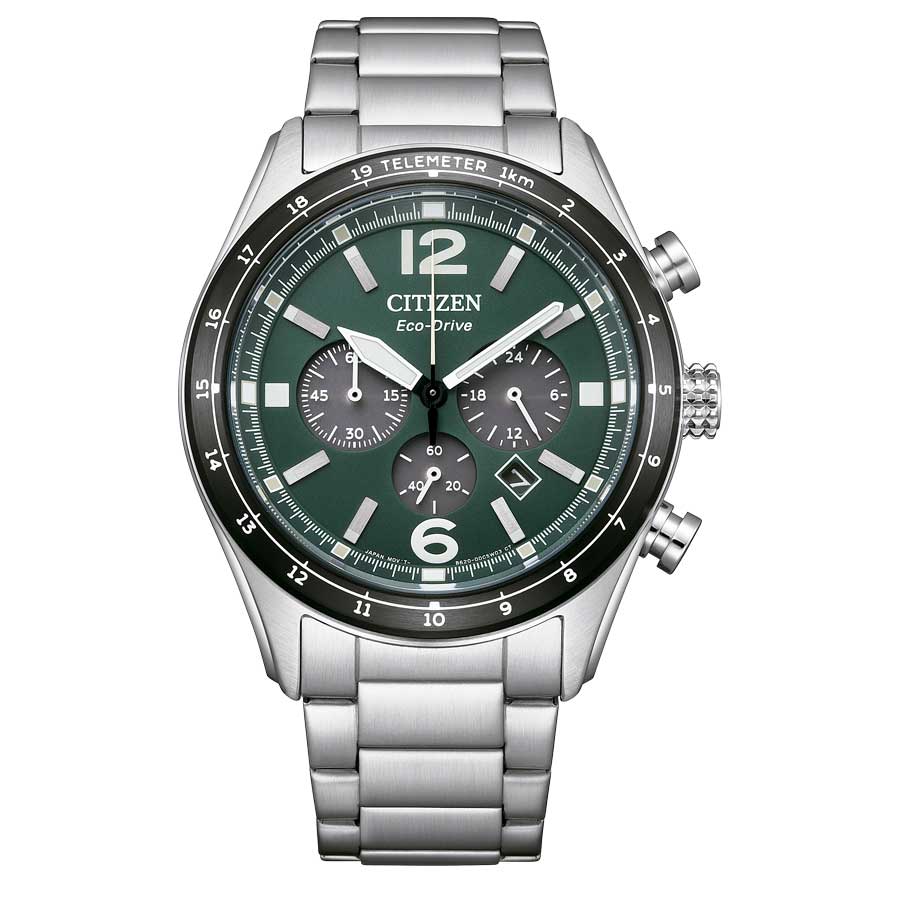
Citizen Eco-drive - Life in Classic
Ubiquity, Innovation, and a Fresh Look
Citizen is everywhere. For many people, Eco-Drive was the first watch they saw in a mall or on a relative’s wrist. That reach can make the brand feel ordinary. Yet the truth is more complex, and far more interesting. Since 1976, Citizen’s light-powered technology has helped avoid roughly 100 million disposable watch batteries. Stacked end to end, that would equal about 3,600 Mount Everests. The scale is staggering. However, the story does not end with efficiency and volume.
Beneath the familiarity, there is craft. Eco-Drive has evolved for five decades, and the technology now powers watches that can run for up to a full year in darkness. Even more surprising, much of Citizen’s production still depends on skilled hands. Dials are printed and assembled by people. Final watches are checked by people. As a result, ubiquity and serious watchmaking sit comfortably together.
That realization came into focus during a tour of Japan marking Eco-Drive’s 50th year of innovation. The journey spanned Tokyo to the foot of Mt. Fuji, and then to Nagano. Along the way, the details sharpened, and the brand’s quiet rigor took center stage.
From Archives to Accuracy: Tokyo Headquarters
At Citizen’s headquarters in Tokyo, the museum reveals a century of ambition and technical firsts. Original blueprints for the company’s pioneering pocket watch sit alongside early quartz breakthroughs. The star of the timeline is the 1976 Citizen Crystron Solar Cell, the watch that set the stage for today’s light-powered ecosystem. The archives are extensive, and they are alive. Watchmakers from Citizen’s R&D teams maintain the collection and push new ideas forward in the same space.
That spirit is visible in modern feats as well. One standout is the Citizen 0100, a watch with a movement accurate to plus or minus one second per year. Developer Shoichiro Morita helped bring it to life, and he still wears it. The piece signals a clear message: precision and practicality can coexist. Moreover, they can do so without compromising the approachable character that made Citizen famous.
The Tokyo stop sets the tone. History guides the brand, but it does not anchor it. Instead, the museum frames a living pursuit of accuracy, reliability, and purpose-driven design.
Where Light Meets Design: Kawaguchiko Dial Factory
Two hours from Tokyo, at the base of Mt. Fuji, the Kawaguchiko Dial Factory turns design into function. This is where Citizen conceives, develops, and produces every Eco-Drive dial. The process blends modern tooling with patient handwork. Each month, the facility outputs about 15,000 dials. Yet every single one is printed, assembled, and quality checked by hand. The most complex designs may pass through as many as 15 pairs of hands. Even so, the error rate sits around 0.01%.
Light must reach the solar cell, so clever engineering shapes each dial. A transparent reflector disc can sit beneath the upper dial layer, enhancing depth and brilliance without blocking light. Meanwhile, the solar cells themselves are thin and efficient. Many models can operate for 365 days without a recharge. Materials add further nuance. Mother-of-pearl arrives sliced to about 1/100th of an inch, thin enough to read through, and then must be shaped with care.
Japan-only lines such as Campanola and Exceed underscore this artistry. They show a side of Citizen that often stays local: expressive, polished, and thoughtfully executed. For enthusiasts, these watches hint at a rich vein of vintage and contemporary models still waiting to be discovered.
Movements at Scale: Inside Miyota Saku
In Nagano Prefecture, the Miyota Saku Movement Factory powers much of the watch world. Miyota movements—quartz and automatic—appear in everything from luxury collaborations to the first offerings of microbrands. Since opening in 2016, the facility has delivered speed with discipline. Lines rooted in decades-old bases now run with modern precision, turning out about a movement per second.
Here, the heartbeat of Eco-Drive meets its face. Movements are paired with dials and hands, and then cased. Despite the pace, the human touch remains central. Technicians lay out hands, assemble components, and conduct final quality checks by hand. Training is serious as well. New employees attend a watchmaking school on site, typically spending at least four months there before touching production watches. Certifications hang on wooden plaques, marking skill and accountability. Even the art inside the building tells the story—brass movement plates float in striking installations, celebrating the parts that make time possible.
Why Citizen Matters Today
After a week across Japan, one conclusion stands out. Citizen’s scale does not dilute its craft; it sustains it. Eco-Drive’s reach solves a simple problem—how to power a watch—without fuss or waste. At the same time, the company embraces detail, whether in a dial’s reflective layering or a movement’s exacting assembly. Moreover, it does so with a humility that rewards a closer look.
This mix of innovation and restraint explains why so many collectors end up charmed. Vintage pieces, like quirky Leopards with unusual calendar mechanisms, still surface with surprising character. Contemporary models, including Japanese exclusives, show design maturity and technical confidence. Therefore, it might be time to pay closer attention. The familiar name hides a story of patience, progress, and people.