
Mastering Classic Car Restoration: A Journey Through Time
Uncover the intricacies of classic car restoration, exploring its history, engineering marvels, and collecting significance.
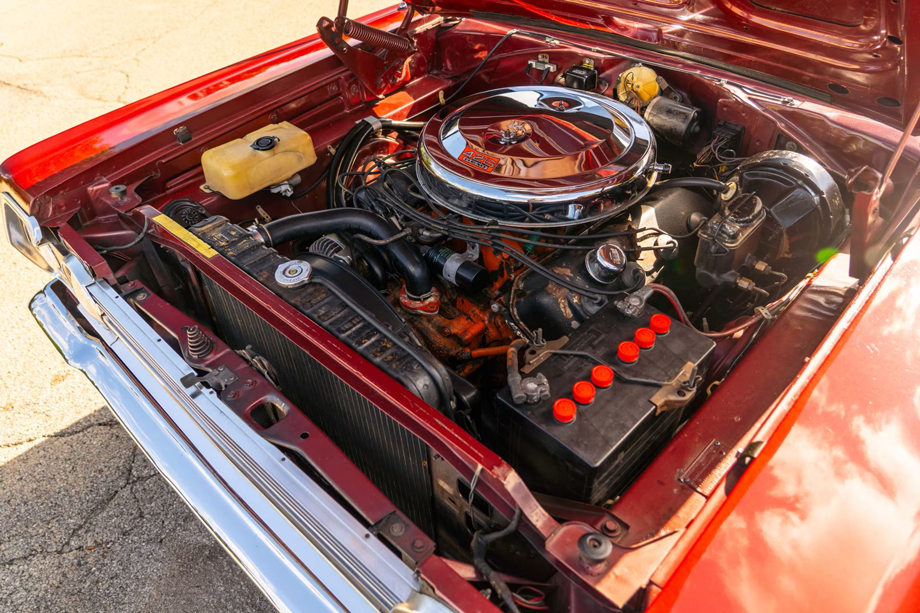
Classic car restorations at Life in Classic
Restoring a classic car is not just about bringing an old vehicle back to life; it’s a deep-seated passion woven into the very fabric of automotive culture. Classic car restoration is both an art and a science that requires an understanding of history, engineering, and personal connection to the vehicles that once ruled the roads. Enthusiasts around the globe engage in this labor of love, creating vibrant communities and fostering connections that transcend time.
The History of Classic Car Restoration
The classic car restoration movement took root in the mid-20th century as the first wave of automobile enthusiasts began to recognize the cultural and historical significance of vehicles produced in earlier decades. By the 1960s, the American hot rod culture had peaked, driving fleets of young automotive aficionados to modify and restore classic cars to their former glory. During this time, classics like the Ford Model T, the Chevy Bel Air, and the Jaguar E-Type provided a canvas for both artistic expression and technical prowess.
In the following decades, more structured and methodical approaches emerged within the industry. Organizations such as the Antique Automobile Club of America (AACA) formed to promote appreciation for historic vehicles while establishing standards for restoration practices. With the advent of the internet, information flowed more freely, allowing enthusiasts worldwide access to resources, forums, and communities all focused on sharing knowledge about classic car restoration.
Technical Marvels: Understanding Engineering and Design
Every classic car tells a story, not only through its design but also through its engineering. Take the 1967 Ford Mustang, for example. Its unibody construction was revolutionary for the time, providing both strength and flexibility. The restoration of such vehicles often involves a deep dive into the technical specifications, materials, and manufacturing processes used in their production.
Modern restorers often benefit from the vast archives maintained by manufacturers or loyal enthusiasts, which detail parts specifications, original colors, and assembly processes. Understanding the nuances of a vehicle’s engineering can prove essential when embarking on a restoration project, enabling a more authentic outcome. This ensures that every bolt and panel reflects the classic craftsmanship that defined the era.
Choosing a Restoration Strategy: Full vs. Partial Restorations
When embarking on the journey of restoration, owners often face a crucial decision: what kind of restoration does the car truly need? This can generally be categorized into two main strategies: full restorations and partial restorations.
A full restoration entails a complete disassembly of the vehicle, with a thorough renovation of every component—from the chassis to the paintwork. This approach aims to return the vehicle to its original condition, often resembling its state when it rolled off the assembly line. Although this strategy may be expensive, it can drastically increase the vehicle’s value in the collector market.
Conversely, a partial restoration might focus only on parts that require attention, such as replacing the engine or repairing the body while keeping original components intact. Owners often opt for this route when they wish to maintain some of the car’s organic, character-filled elements.
The Role of Authenticity in the Restoration Process
Authenticity plays a crucial role in classic car restoration, influencing not only the methods employed but also the materials used. Restoration purists advocate for adhering strictly to factory specifications, using period-correct parts whenever possible. The guiding principle here is that a car should reflect its history, and utilizing non-original parts can alter that narrative.
However, the debate between originality and improvement is ever-present. Some enthusiasts argue that updating certain components enhances drivability and safety without detracting from the car’s character. For example, installing an electronic ignition system can improve reliability while preserving the original engine and appearance. Striking a careful balance between authenticity and functionality often defines a restorer’s ethos.
Market Trends in Classic Car Collecting
The classic car market has shown significant evolution over the past few decades, influenced both by generational shifts and economic trends. Once reserved primarily for wealthy hobbyists, classic car collecting has become increasingly accessible, attracting diverse buyers from younger generations who may appreciate these artifacts as investments or lifestyle choices.
Model-specific appreciation trends illustrate the demand for particular vehicles. For instance, vintage European sports cars, muscle cars from the ’60s and ’70s, and certain American classics like the Chevrolet Corvette or Ford Bronco have seen significant appreciation in value. Restorers often watch these trends closely, knowing that a restored model can command higher prices at auctions and in sales.
Educational Institutions and Community Workshops: Learning the Craft
For many, the journey into classic car restoration begins with a hands-on approach, often complemented by formal education or mentorship. Various schools and programs now offer courses focused on automotive restoration and preservation, catering to budding enthusiasts eager to learn the mechanics behind their passions.
Workshops abound, giving practical experiences that cannot be replicated in lecture halls. These community workshops not only facilitate learning but also foster camaraderie among members, imbibing a sense of shared responsibility for preserving automotive history. Some enthusiasts even lead local restoration clubs, engaging in group projects that allow members to tackle greater challenges together, share tools and expertise, and ultimately bond over their collective love for classic cars.
Conclusion: Passion Meets Craftsmanship
Classic car restoration epitomizes the intersection of passion, craftsmanship, and history. From understanding the engineering marvels of bygone eras to navigating the nuances of restoration philosophies, enthusiasts find themselves on a captivating journey. Whether one approaches restoration as a meticulous project or a way to connect with a community, the result is always a remarkable testament to the ingenuity and artistry of classic automobiles.
As we continue to celebrate and immerse ourselves in the beauty and nostalgia of these vehicles, the spirit of classic car culture will undoubtedly thrive, ensuring that future generations inherit more than just a collection of cars—they inherit a vibrant culture imbued with stories, friendships, and shared memories.
The Cultural Impact of the 1965 Ford Mustang
The 1965 Ford Mustang emerged during a pivotal moment in American history. This era was marked by social change, economic growth, and a burgeoning youth culture. With the post-war boom creating a generation of affluence, young Americans sought not only mobility but also personal expression through automobiles. The Mustang, introduced at the New York World’s Fair, was designed to capture the spirit of freedom and adventure that characterized the 1960s.
This model epitomized the “pony car” segment, blending performance with affordability, which resonated deeply with the youthful market. The Mustang’s sporty design and powerful engines appealed to a demographic longing for excitement, allowing Ford to tap into a new consumer base. It sparked a revolution in automotive design, leading competitors to follow suit with similar models, transforming the American car landscape.
Technologically, the 1965 Mustang was significant in its use of assembly line efficiencies, which helped keep production costs low while maintaining quality. This model introduced numerous options for customization, allowing buyers to create a vehicle that reflected their personal style. From the iconic chrome grille to the sleek body contours, every design choice catered to the emerging youth market. Incorporating vibrant colors and performance packages, the Mustang transcended mere transportation; it became a cultural icon.
During its introduction, the Mustang coincided with the rise of rock and roll, surf culture, and a burgeoning counterculture movement. Car ownership symbolized freedom, making the Mustang not just a vehicle but a lifestyle choice. Advertisements portrayed it as the quintessential car for the young and adventurous, solidifying its status in American pop culture.
As a result, the Mustang’s allure extends beyond its performance specs; it encapsulates a mindset of rebellion and individuality. In a decade where societal norms were increasingly challenged, this car allowed young people to carve out their own identities on and off the road. In many ways, the Mustang did more than sell cars; it helped define a new generation.
Today, the 1965 Mustang continues to evoke nostalgia, connecting modern enthusiasts with a bygone era. Its status as a restoration favorite stems from both its historical significance and timeless design. Classic car restorers appreciate not only its aesthetic but also the stories and memories it embodies, making it a cornerstone of automotive history.