
Dodge Revives Supercharged V8 for Next Charger
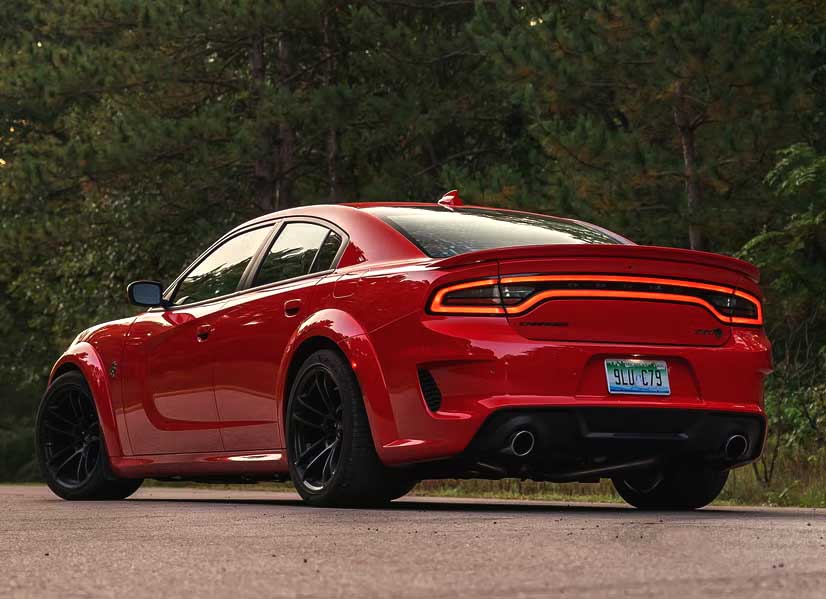
2027 supercharged V8 Dodge Charger at Life in Classic
Dodge Reconsiders Its Electric-Only Muscle Plan
Stellantis has taken a decisive turn in its performance strategy. After previewing an all-electric future for the Dodge Charger, the company now plans to return a supercharged 6.2-liter HEMI V8 to the lineup. The shift follows strong feedback from muscle car loyalists who demanded sound, character, and visceral acceleration. As a result, Dodge signals that the age of high-horsepower internal combustion is not over yet. The plan emerged from a private product preview that outlined how the brand will balance heritage and innovation. For enthusiasts, the message is clear: the Charger will keep its roar.
Why the Supercharged HEMI Still Matters
Consumer demand continues to shape the muscle car market. Buyers drawn to performance often favor gasoline power for its immediacy, sound, and tactile feel. Moreover, that preference is especially strong among Dodge’s core audience. The HEMI V8 represents more than output figures; it carries decades of history on the street and at the strip. It also anchors brand identity in a crowded field of turbo sixes and electric rivals. Consequently, the return of the supercharged layout protects Dodge’s relationship with purists while expanding choice for new customers. In short, the Charger’s legacy will not rely on batteries alone.
Platform, Power, and Drivetrain Targets
The next Charger SRT variant is expected to ride on the flexible STLA Large platform. Engineers have adapted it to accommodate a wide V8 and the cooling hardware a supercharger demands. Official numbers remain under wraps. However, internal targets reportedly exceed the 707-horsepower baseline of the previous-generation Hellcat. Industry chatter points to possible outputs around 777 horsepower, though final figures will depend on validation and emissions strategy. Power should route through a heavy-duty automatic transmission developed for big torque loads. Furthermore, the team appears to prioritize durability, heat management, and repeatable performance. As testing continues, Dodge will refine calibration and driveline tuning to preserve that signature straight-line punch.
Design Cues with Purpose
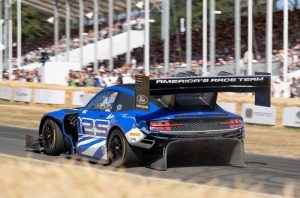
The supercharged model will pair heritage cues with functional aero. Up front, a reworked fascia integrates deep ducts to feed air to the intercooler and the hungry blower. A prominent hood scoop aims to pull heat from the engine bay while sustaining airflow at speed. Meanwhile, the stance looks wider and more assertive to match the power under the hood. At the rear, a tall wing evokes high-speed NASCAR imagery and the iconic high-wing Chargers of the past. Yet these elements are not only theatrical. They serve cooling, stability, and balance at track pace. As a result, the car channels nostalgia while embracing modern efficiency.
A Multi-Energy Charger Lineup and What Comes Next
Dodge is not discarding electrification; it is diversifying. The next-gen Charger family is set to span three distinct powertrains. At one end, the all-electric Daytona Scat Pack targets about 670 horsepower and instant torque. In the middle, a twin-turbo “Sixpack” inline-six aims for roughly 550 horsepower as a high-tech alternative. However, the supercharged V8 will stand as the crown jewel for traditionalists. Timing remains fluid, but the V8 model is tentatively planned for the 2027–2028 window. Furthermore, Dodge expects to share specifications, order timing, and potential production limits in late 2026 or early 2027. Development continues behind closed doors, and plans can evolve. Even so, the strategy is clear: offer choice, keep the flame alive, and let drivers decide how they want their speed.