
Why Mustang Fastbacks Still Capture Hearts and Value
Mustang Fastback at Life in Classic
A Shape That Sparked a Movement
When Ford added the 2+2 fastback to the Mustang lineup in 1965, the car gained more than a new roofline. It gained a silhouette that suggested speed even at a standstill.
That long, sloping rear glass and taut proportions gave the Mustang a racetrack-ready profile. As a result, the fastback quickly became the aspirational choice among early pony cars.
Sixty years later, the 1965–1968 fastback still defines “classic Mustang” for many enthusiasts. Moreover, it continues to draw steady interest from drivers, restorers, and collectors alike.
Because style ages well when it is executed with purpose, the fastback’s appeal endures. Consequently, the right car, presented well, remains a strong bet in today’s market.
Three Model Years, Three Distinct Stories
People often group the 1965–1968 fastback as one car with small tweaks. However, each period delivers a different experience and value profile.
For 1965 and 1966, the original “long hood, short deck” shape set the template. These cars share a similar chassis and an engine range from the 200-cubic-inch six to the 289 V8. Even so, the biggest value gap within these years comes from the engine and trim mix. Notably, the K-code 289 High Performance, with solid lifters and dual exhaust, sits at the top of many wish lists.
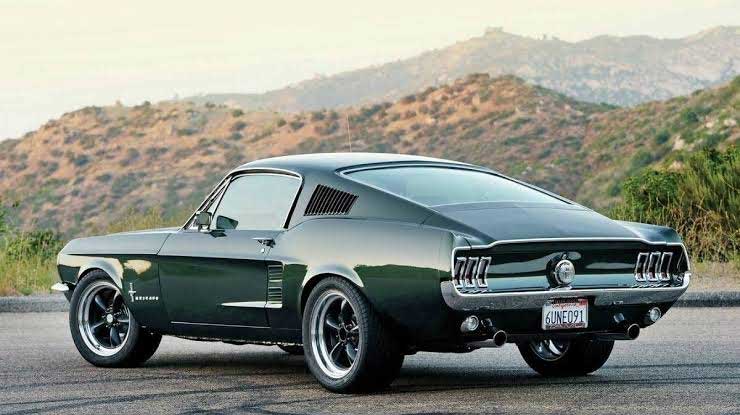
For 1967 and 1968, the Mustang adopted a wider stance and a more aggressive face. The concave rear window and revised lighting sharpened the look. More importantly, the big-block era arrived. With the 390 FE V8 on the order sheet, the fastback gained bona fide muscle-car punch.
Because each subset serves a different audience, pricing reflects those differences. Therefore, buyers and sellers should compare like for like when gauging value.
What Drives Value in a Classic Fastback
Across all three years, original specification remains a powerful lever. Matching numbers—where the car’s components align with how it left the factory—add confidence and, therefore, value. For higher-spec cars, that alignment can move the needle a great deal.
Documentation matters as much as metal. Marti Reports, original window stickers, build sheets tucked under carpet, and factory invoices turn “probably original” into “verified original.” Consequently, the paper trail can add clarity and help a car stand out in a crowded field.
Options and colors also shape desirability. Factory combinations that are correct, uncommon, and well-presented almost always help. Additionally, period features like the fold-down rear seat, console, Rally-Pac tachometer and clock, and styled steel wheels can be decisive for collectors building accurate restorations.
Condition still counts, of course. However, the right provenance can lift a solid driver, while the lack of it can cap even a clean car’s price.
Choosing How to Sell: Paths and Tradeoffs
Today’s market offers several ways to bring a fastback to a buyer. Each path trades time, cost, and certainty in different ways.
Auctions can generate big headlines and fast exposure. Yet fees on both sides can trim the final take-home number. Moreover, the sale window is short, so presentation and timing must be on point.
Private sales offer control and the chance to connect with the right enthusiast. Nevertheless, they often require patience, careful screening, and flexible scheduling. In return, sellers avoid many fees and can negotiate terms directly.
Direct sales to a dealer or specialist prioritize speed and simplicity. In many cases, the offer may be lower than a best-case private result. Even so, the convenience of a firm price and quick logistics can be worth it, especially for projects or estates.
Prepare Your Mustang for the Market
Good preparation pays off before the first inquiry. Start with clear photos of every angle, including rust spots, chips, and any repaired areas. Additionally, include the engine bay, interior, trunk, and, if possible, the undercarriage.
Next, gather key data: the VIN, engine and transmission codes, and a brief ownership and service history. If you have documents—build sheets, invoices, or decoding reports—scan and share them. Because transparency builds trust, honesty about flaws often improves outcomes.
Then set realistic expectations by reviewing recent, comparable sales. Therefore, compare condition, year, engine, and options, not just asking prices. With that context, you can select the selling path that best fits your timeline and goals.
Finally, keep communication prompt and polite. Moreover, a simple, organized file of photos and paperwork helps serious buyers move faster. In short, clarity creates confidence, and confidence closes deals.
The Enduring Allure of the Fastback
The fastback’s magic is more than nostalgia. Instead, it blends American design, accessible performance, and a cultural moment when the open road felt new. Because that mix still resonates, demand remains durable across show cars, drivers, and long-term projects.
Whether you are restoring a barn find or stewarding a numbers-matching survivor, the checklist is the same. Document it, present it well, and choose a sales route that matches your needs. As a result, you will respect both the car and your time.
Above all, enjoy the process. After all, these cars were built to stir emotion—and they still do.