
Hot Rods and Elvis at Seattle’s 1962 Fair
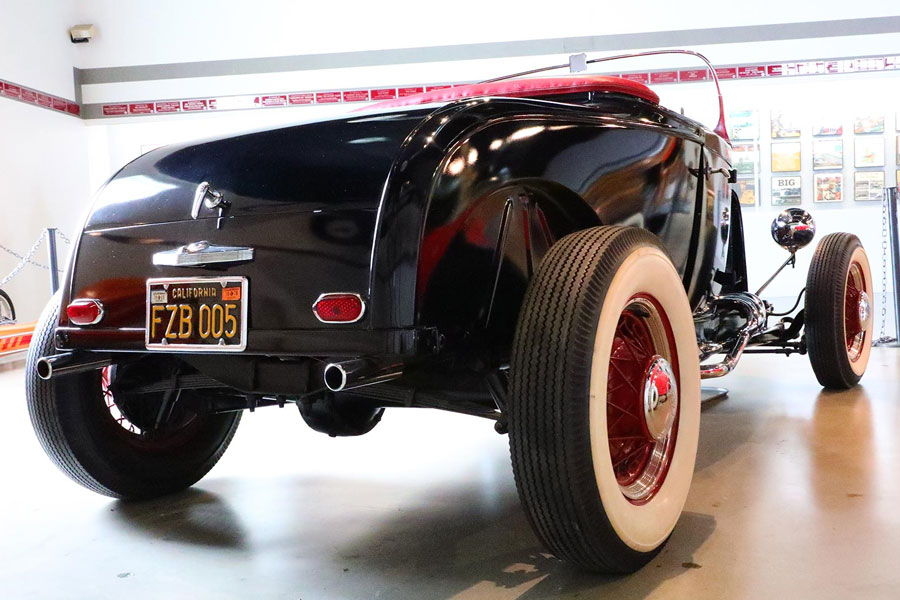
Elvis hot rod at World´s fair - Life in Classic
A Fair Where the Future Met the Street
Seattle’s 1962 World’s Fair delivered spectacle, optimism, and speed. Automakers arrived with bold architecture and even bolder ideas. Crowds poured into new pavilions that promised a tomorrow shaped by technology and design. Yet the fair also pulsed with grassroots energy from the Northwest’s thriving hot rod scene.
Moreover, the theme “Man in the Space Age” gave the event a clear identity. The Space Needle rose 605 feet above downtown, a beacon of progress and style. Nearby, a sleek monorail whisked visitors between exhibits. Both landmarks still draw travelers today, and they still earn their keep. Therefore, the setting perfectly matched the era’s mix of ambition, entertainment, and mechanical wonder.
Still, the fair’s most vivid moments often happened on the show floor, down at eye level. There, chrome sparkled under harsh lights, and engines echoed off concrete. In that lively arena, Seattle’s gearheads stood shoulder to shoulder with Detroit’s dreamers.
Futurama Dreams and the Firebird III
Detroit’s biggest names built their presence around the Futurama car show. Organizers scheduled a 10-day run to highlight factory innovation and futuristic design. On display stood experimental concepts that teased the next generation of motoring. As a centerpiece, General Motors arrived with its gas-turbine, tail-finned Firebird III. The shape screamed Jet Age confidence, and the promise seemed limitless.
However, not every prototype could run or drive. Some stood as static sculptures of possibility. Even so, their presence stirred conversation about where the road might lead next. Fans debated turbines, materials, and aerodynamics. Meanwhile, eager crowds pressed in for a closer look at dashboards and dramatic fins. The mood mixed curiosity with a fairground buzz, and that mix felt electric.
Yet the real surprise came from beyond the corporate stands. Local builders, racers, and clubs gave the show a rebel edge. Their machines arrived ready to roar, and their attitude invited comparisons that few expected.
Hot Rodders Steal the Spotlight
Instead of prototypes alone, Northwestern hot rodders and drag racers seized the spotlight. Their cars ran, raced, and rumbled with intent. Moreover, organizers offered exotic trophies shaped like the brand-new Space Needle. The prizes captured the fair’s spirit while saluting homegrown craftsmanship.
Freelance photographer Peter Sukalac captured one vivid scene at the Futurama show. According to his note, a “chorus girl” kept him waiting for a clear frame. He wanted the 1927 Ford roadster pickup entered by the Tacoma Toppers. Eventually, the crowd shifted, and the shot lined up. Furthermore, the moment preserved more than a vehicle. It recorded a clash of culture: showbiz flash meeting garage-built grit. The print now traces through the Wallace Family Archive.
In the background, another legend stood ready for action. Dick Kalivoda’s T-bodied A/Fuel Modified Roadster cut a familiar silhouette. Notably, the same car looked virtually unchanged a half-century later at Oregon’s short-lived World of Speed Museum. Consequently, the image ties past to present and tracks how a racing icon can endure.
Elvis, Cameras, and a City on Display
Meanwhile, movie magic unfolded just steps away. The luckiest fairgoers caught Elvis Presley filming It Happened at the World’s Fair. In one scene, he sings to a passenger in a hot rod roadster. Perhaps the overlap was coincidence; yet it fit the mood perfectly. Pop culture, performance, and performance cars shared the same stage.
Furthermore, the city itself played a leading role. The Space Needle glowed over night crowds. The monorail zipped through downtown canyons, drawing eyes and smiles.