
Hidden Barn of Vintage Volkswagens Unearthed in Britain
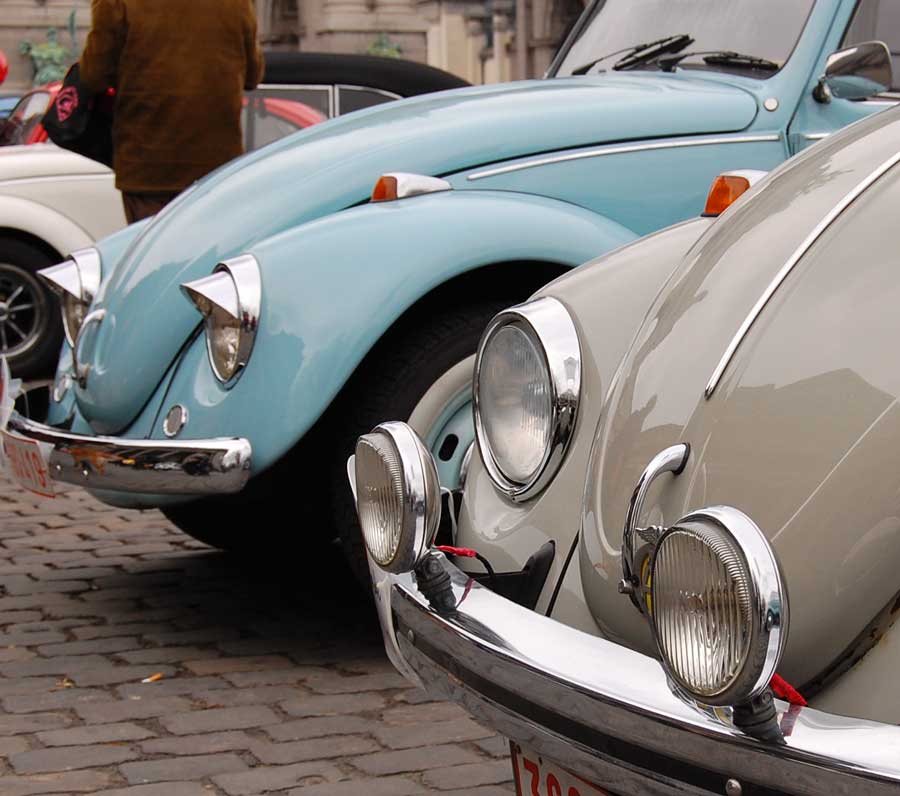
VW Beetle at Life in Classic
Hidden Collection Emerges in the British Countryside
A British urban explorer who goes by “IMSTOKZE” uncovered a striking time capsule on a remote property in the United Kingdom. Deep in a quiet, wooded area, nature had begun to reclaim a cluster of barns and sheds. Yet behind sagging doors and rotted beams, rows of air-cooled Volkswagens waited in silence. According to the explorer, many of these cars had not moved in over two decades.
The location sat far from passing roads and curious eyes. Therefore, the scene felt frozen in time, as if someone had simply walked away and never returned. Dust, leaves, and moss softened the silhouettes. However, the shapes were unmistakable: Beetles, early Buses, and stacks of parts, all layered with history. Image credit: IMSTOKZE/YouTube.
Inside the Barns: Beetles and Early Buses
Once inside the largest building, the explorer found at least eight Volkswagen Beetles in a neat row. Most appeared to date from the mid to late 1960s through the 1970s. Moreover, many wore “Deluxe” trim, with Wolfsburg-crested steering wheels and period-correct chrome. Some cars still had their delicate bamboo under-dash trays, a rare survivor on any unrestored Beetle.
There was more. Tucked near the back, two Volkswagen Type 2 T1 vans sat quietly. One was a coveted “barn-door” camper. Its panels looked straight, and its windows and badges remained present. In addition, several cars showed original glass headlight lenses, correct hubcaps, and intact trim rings. These are details restorers chase for years. Consequently, the cache held not only complete cars but also an invaluable trove of factory-correct components.
Crates of spares and loose panels lay nearby, suggesting an owner who collected with care. Furthermore, little evidence of cannibalized parts appeared on the cars themselves. Instead, they looked parked, preserved by neglect rather than stripped by time.
Why the “Barn-Door” T1 Matters
The star of the find is the early Type 2 T1 “barn-door” camper. Built from 1950 to 1955, it earned its nickname from the large engine cover on the rear panel. That unique feature sets it apart from later T1s and makes it highly desirable today. Notably, early campers attract collectors for their simplicity, quirky charm, and strong cultural legacy.
Values for genuine barn-door examples have climbed for years. Therefore, discovering one tucked away in a rural shed is extraordinary. It offers historians and restorers a reference for factory details, interior layouts, and period fittings. Moreover, original campers often reveal traces of travel and family life. These signs of use add warmth to a mechanical artifact and connect the vehicle to living memory.
Finding one in near-complete form, away from vandalism and scavengers, is rarer still. As a result, this single van could anchor an entire preservation effort and guide accurate restorations of other early Buses.
Condition, Originality, and Restoration Potential
Time left its marks, but shelter made a difference. Dust coated every surface, and moss crept along glass and seams. However, the barn roofs spared the vehicles from relentless rain and harsh sunlight. Consequently, serious rot appeared limited, and interiors fared far better than expected.
Seats, door cards, and dash pads showed age, yet they kept shape and color. Vinyl had not baked to a crisp or split wide across the seams. In many cases, a careful cleaning could revive the original materials. That path preserves history and reduces the need for reproduction parts. Furthermore, correct hardware, trim, and lenses remained with the cars, which can save years of searching.
Most engines will need complete overhauls. Fuel systems, brakes, and wiring will also demand methodical work. Yet the bodies looked straight, and glass appeared largely intact. Therefore, the restoration path seems clear: stabilize the structures, document every tag and stamp, and then proceed panel by panel. With patience, these cars could return to the road without losing their soul.
What This Find Means for Enthusiasts
This discovery reminds enthusiasts that important pieces of automotive history still hide in plain sight. Rural barns and forgotten workshops often keep secrets that scrapyards do not. Additionally, finds like this one provide unmatched reference material for originality. Measurements, finishes, and factory quirks survive in context, not as loose parts on a shelf.
The collection also highlights the value of ethical exploration. Respect for property, careful documentation, and sensitivity to ownership matter. Ultimately, the best outcome pairs stewardship with transparency. Then the cars can move from silence into preservation plans, community workshops, and, finally, sunlight.
Beyond value and rarity, these Volkswagens carry stories. Families camped in them, commuted in them, and learned to drive in them. Beetles crossed cities with modest engines and enormous patience. Buses carried children, surfboards, tools, luggage, and dreams of escape. Their charm was never based on speed or luxury. Instead, they became beloved because they were approachable, useful, and full of character.
That is why air-cooled Volkswagens continue to matter. They are simple enough to understand, distinctive enough to love, and durable enough to survive long after their first owners have moved on. A Beetle or Bus does not need perfect paint to be meaningful. Sometimes its greatest appeal lies in worn pedals, faded upholstery, and the quiet evidence of ordinary life.
Preservation Before Perfection
The temptation with a discovery like this is to imagine every car fully restored, shining under show lights, and valued like a museum piece. However, that may not be the best route for every vehicle in the collection. Some cars deserve full restoration, especially if corrosion threatens their future or if missing parts can be sourced responsibly. Others may be better preserved as reference cars, cleaned carefully and made mechanically safe while keeping their aged finishes intact.
The barn-door camper deserves particular care. Because early Type 2s are so valuable and historically significant, every decision should begin with documentation. Before any part is removed, the van should be photographed in detail. Paint layers, interior fittings, badges, glass markings, engine numbers, trim, and hardware should all be recorded. Even small details can help future restorers understand how these vehicles were assembled and used.
The Beetles deserve the same respect. Later Beetles are sometimes dismissed because so many were built, but truly original examples are becoming harder to find. A complete, unrestored car with correct trim, original interior pieces, and period accessories can be more informative than a shiny restoration assembled from catalog parts. For younger enthusiasts, these cars are also an accessible way into classic ownership, provided the structure is sound and the work is approached realistically.
A Reminder of Volkswagen’s Cultural Reach
What makes this hidden collection especially compelling is not only the number of cars, but the way they represent Volkswagen’s cultural reach. The Beetle became one of the world’s most recognizable cars because it was cheap, reliable, and instantly identifiable. The Type 2 Bus became something more emotional. It was a workhorse, a camper, a symbol of travel, and later an icon of counterculture. Few vehicles crossed social boundaries so easily.
In Britain, air-cooled Volkswagens built their own loyal following. The climate was rarely kind to them, yet owners kept them going through clubs, swap meets, home repairs, and specialist workshops. A rural stash like this one feels connected to that culture. It suggests years of collecting, repairing, saving parts, and perhaps intending to return to projects that time eventually overtook.
That human element is what gives the discovery its weight. These cars were not just abandoned objects. They appear to be the remains of someone’s passion. The rows of Beetles, the stored panels, the spare parts, and the sheltered vans suggest intention. Whether the original plan was restoration, resale, or simple preservation, the result is now a remarkable snapshot of air-cooled history.
From Silence Back to Sunlight
For now, the collection remains a powerful visual story: moss-covered glass, dusty dashboards, chrome still catching faint light inside a dark building. Yet its future matters more than the romance of the discovery. If handled well, these Volkswagens could be catalogued, stabilized, and gradually returned to the community that values them. Some may drive again. Others may donate parts. A few may remain preserved almost exactly as found.
That would be a fitting outcome. Classic cars are not only about polished metal and rising values. They are about continuity. They survive because people care enough to notice them, document them, and make careful choices. This British countryside find shows that even familiar cars like Beetles and Buses can still surprise us when they are discovered together, untouched and quietly waiting.
After more than twenty years in hiding, these air-cooled Volkswagens have reappeared with their character intact. The barn-door camper may be the headline, but the full collection tells the richer story. It is a reminder that history does not always sit behind velvet ropes. Sometimes it rests under dust, behind a tired wooden door, deep in the trees, waiting for someone to look inside.