
Nordic Europe Fjords Lights and Living History
Nordic Europe Fjords Lights and Living History at Life in Classic
Why the Nordics Captivate
Nordic Europe blends raw landscapes with living history. From Norway’s deep fjords to Finland’s mirror-like lakes and Iceland’s volcanic plains, the region offers drama at every turn. Moreover, vast forests, thundering waterfalls, and snow-dusted peaks invite year-round exploration. Meanwhile, centuries of cultural heritage add texture to any itinerary. Visitors can trace Viking footprints, meet Sámi reindeer herders, and wander through world-class museums. Ultimately, friendly communities and a strong outdoor culture make the North both welcoming and unforgettable.
Beyond scenery, daily life here feels close to nature. Cities sit beside waterways and forests, while villages rest in quiet valleys. Additionally, efficient rail, ferry, and road networks link remote corners with ease. Therefore, it is simple to pair urban design with wilderness escapes in a single trip. For many travelers, that balance becomes the lasting highlight.
Chasing Northern Lights and Midnight Sun
Few experiences rival watching the aurora dance across a clear Arctic sky. Because charged solar particles meet Earth’s atmosphere, waves of green, pink, and violet often ripple overhead. For reliable chances, plan between September and April, ideally from late evening to after midnight. Moreover, head to northern Norway, Iceland, Swedish Lapland, or Finnish Lapland for darker skies. Additionally, check local forecasts, step away from artificial light, and stay flexible. With patience and luck, the show can be breathtaking.
In contrast, summer brings the Midnight Sun, when daylight lingers late or never fully fades. From late May to mid-July, many northern areas glow through the night. Consequently, hiking, kayaking, and photography continue well past usual hours. Festivals, open-air concerts, and harbor strolls feel different under amber skies. Therefore, travelers who value long, active days may prefer a summer journey.
Fjord Wonders and Storybook Villages
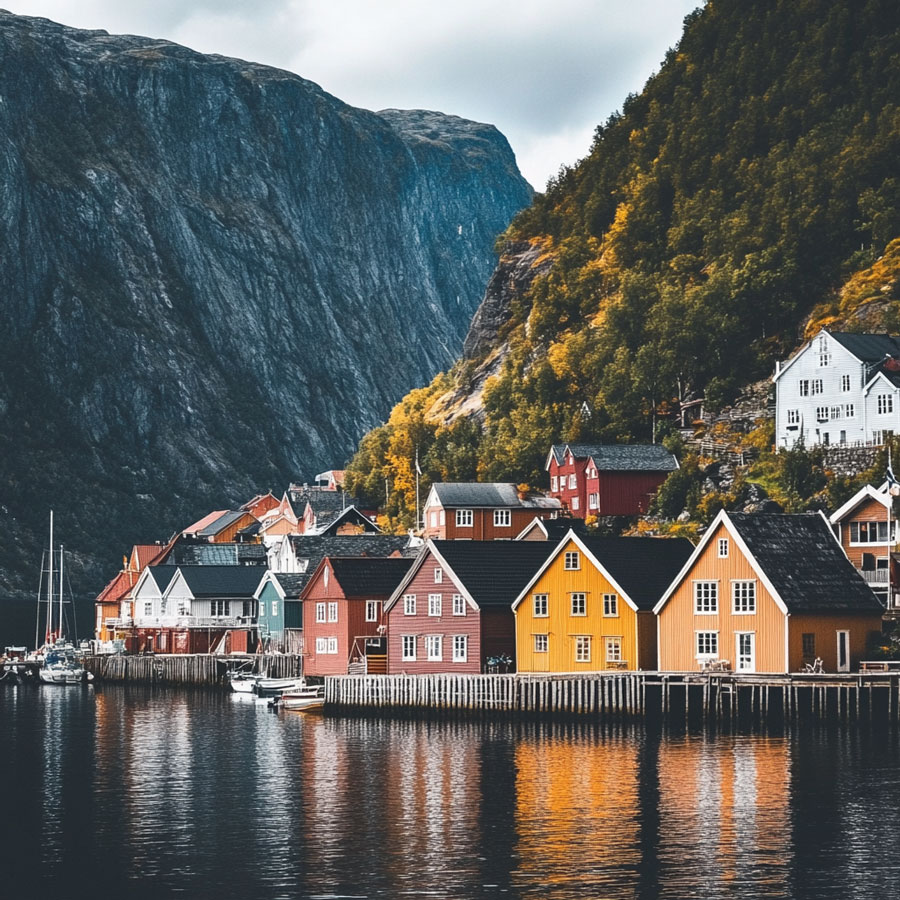
Norway’s fjords present nature on a grand scale. Steep rock walls rise above deep blue water, while farms and forests cling to folds in the land. UNESCO recognizes Nærøyfjord for its striking blend of cliffs, waterfalls, and serene inlets. Moreover, travelers can admire it by boat, kayak, or hiking trail for fresh perspectives. Additionally, small hamlets along the shore offer local food and quiet views.
Further inland, the village of Flåm sits where the Aurlandsfjord meets the Sognefjord, the country’s longest. The famed scenic railway climbs through tunnels, past rivers, and across high meadows. Moreover, the route showcases engineering and mountain beauty in one ride. Nearby, a Viking-themed site introduces daily life from a thousand years ago. Consequently, a single day can weave culture and cliffs into one seamless story.
Icons of Helsinki and Stockholm
In Finland’s capital, Helsinki Cathedral commands the skyline with neoclassical grace. Its white façade and five green domes form a crisp counterpoint to the sea-blue horizon. Moreover, the central dome rises about 62 meters, crowned by a gilded sphere and cross. Visitors often climb the steps for a panoramic pause and a sense of place. Therefore, even a short stop delivers strong architectural impressions.
Across the Baltic, Stockholm’s Vasa Museum tells a dramatic maritime tale. The 17th‑century warship Vasa sank minutes into its maiden voyage, then slept under silt for centuries. Eventually, Sweden raised the vessel and conserved it in remarkable detail. Today, its 69‑meter hull, towering masts, and ornate carvings fill a dim, cathedral-like hall. Moreover, exhibits explain shipbuilding, life aboard, and the science of preservation. Consequently, the museum pairs spectacle with scholarship in a single visit.
Just outside, Gamla Stan—the Old Town—unfurls cobbled lanes and ochre facades. Built in the 13th century, it remains one of Europe’s best-preserved historic centers. Additionally, narrow alleys open onto cozy squares lined with cafes and craft shops. As a result, slow walks here reveal layers of Swedish history at street level.
Planning Your Nordic Journey
Choosing when to go shapes the experience. For aurora and snow, target late autumn through early spring. For warm hikes, fjord cruises, and the Midnight Sun, pick late spring through summer. Moreover, advance bookings help during peak months, especially for scenic railways and fjord boats. Additionally, layered clothing, waterproof footwear, and a windproof shell keep outings comfortable.
Public transport works smoothly, so consider trains and ferries to cut driving. Furthermore, local guides add safety and insight in remote regions. Respect for nature runs deep here; therefore, stay on marked trails and leave no trace. Finally, sample regional cuisine, from Nordic berries and fresh seafood.