
Analog Modern Classics Surge in Popularity
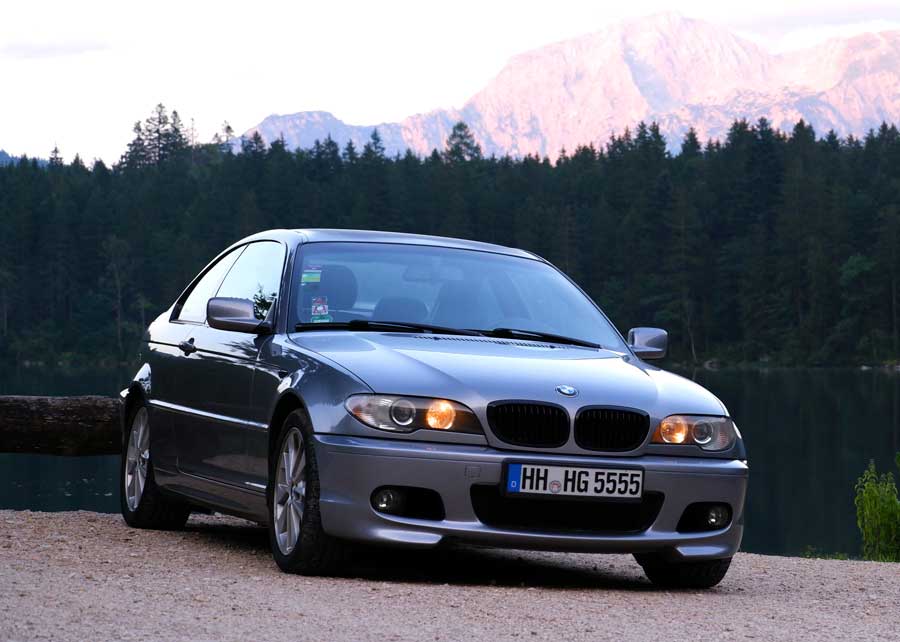
BMW E46 at Life in Classic
A Wave of Analog Nostalgia
Across the collector-car world, a new generation is embracing the past. While touchscreens, driver aids, and battery packs dominate showrooms, many enthusiasts are choosing something simpler. They are hunting for “analog” modern classics built from the 1980s through the early 2000s. These machines blend everyday usability with the tactile joy of driving.
Crucially, they hit a technical sweet spot. They cruise comfortably at modern speeds. Yet they still deliver direct steering feel, crisp manual shifts, and clear analog gauges. As a result, they offer a kind of connection that new cars often mute.
This shift is not just nostalgia. It is also a reaction to digital fatigue. More drivers want fewer menus and more mechanical honesty. Therefore, demand has surged on auction sites, in private sales, and at specialist dealers. Prices for clean, original examples reflect that momentum.
Why Demand Is Surging
Several forces fuel this trend. First, Generation X and Millennials have reached peak earning years. Many can finally buy the posters that once decorated their bedroom walls. That emotional pull remains powerful, and it often guides purchase decisions.
Second, modern interiors can overwhelm with screens and software. Consequently, buyers crave real buttons, cable throttles, and hydraulic steering. They want to feel the road and hear the engine without filters.
Third, late-20th-century engineering delivers real-world practicality. Fuel injection, robust electrical systems, and better crash protection make these cars dependable. Because of that, owners can enjoy long road trips without constant worry. Unlike many older classics, these vehicles start reliably, stop confidently, and survive commuter traffic. In short, they blend character with convenience, which is rare today.
Icons of the Analog Era
Several models define this movement. Each proves that engagement, not only horsepower, creates lasting legend.
Mazda MX-5 Miata (NA): The original Miata, built from 1989 to 1997, distilled sports-car joy into a lightweight, simple package. Its manual soft top, playful balance, and pop-up lights made it an instant classic. Today, unmodified cars draw strong attention.
Porsche 911 (993 and 997): The 993, produced from 1994 to 1998, closed the air-cooled chapter with unmistakable character. Meanwhile, the 997, built from 2004 to 2012, kept compact dimensions and hydraulic steering. Enthusiasts prize both generations, especially with manual gearboxes and careful histories.
Toyota Supra (Mk4): The 1993–2002 Supra earned mythic status with its stout 2JZ-GTE inline-six and remarkable tuning headroom. Stock, low-mileage cars continue to command premium money, and for good reason. They combine durability with headline performance.
BMW M3 (E30 and E46): The E30 introduced a race-bred spirit in the late 1980s. Later, the 2000–2006 E46 balanced precision, feedback, and everyday use. Both rely on high-revving, naturally aspirated power and rear-drive purity. Collectors regard them as benchmarks for driver involvement.
Dodge Viper (RT/10 and GTS): Built from 1992 to 2002, the Viper delivered raw power with minimal intervention. There were no stability systems to bail out mistakes. Instead, it rewarded skill and restraint. The GTS coupe, with its double-bubble roofline, has become especially sought after.
Chevrolet Corvette C5 Z06: Launched in 2001, the Z06 stripped away excess and focused on lap times. A high-revving LS6, a six-speed manual, and a lightweight structure defined its mission. Because it skipped complex adaptive systems, it remains one of the most visceral performance values of its era.
How the Market Is Performing
After the pandemic boom, the broader collector market cooled. Even so, analog modern classics have held firm. Buyers are chasing experience more than speculation, and that supports pricing.
Entry-level icons such as the Miata, Toyota MR2, and Honda Civic Si often trade between the mid-four and mid-five figures. In the middle, European favorites like the BMW E46 and Porsche 997 tend to land in the mid-five figures. Meanwhile, halo cars such as the Acura NSX, Mk4 Supra, and Dodge Viper can exceed six figures. Of course, provenance, mileage, and originality can move any car far outside typical ranges.
What Smart Buyers Should Seek
If you plan to buy, a few principles will help. First, choose three pedals. Manuals usually bring stronger interest and better resale. Second, favor originality. Unmodified cars, especially those that avoided period tuning crazes, lead the market. Third, require documentation. Comprehensive service records reduce risk and make future maintenance easier.
Additionally, invest in a pre-purchase inspection by a marque specialist. That step often saves thousands later. Confirm parts availability, and budget for age-related items such as rubber lines and bushings. Finally, drive the car. These machines shine on the road, not just in a garage. The modern collector scene rewards vehicles that mix emotion, reliability, and real-world use. As a result, the analog era looks set to keep winning new fans.