
Prewar Classics Still Shine on the Marketplace
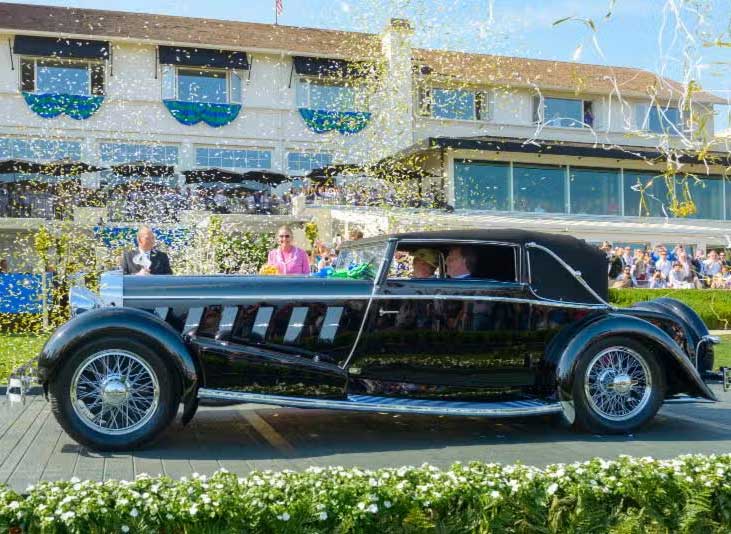
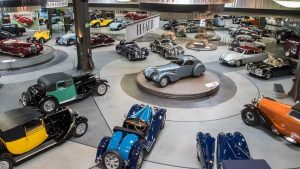
Prewar classics at Life in Classic
Market Myths and Realities
Many enthusiasts worry that interest in cars from the 1930s will fade as the original admirers age out. That concern lingers, yet recent sales tell a more nuanced story. Prices for some prewar models have indeed softened, sometimes by as much as half from past peaks. However, demand has not disappeared. Instead, it has shifted toward well-presented cars, rare body styles, and vehicles with compelling histories.
Recent results from online auctions and make-offer listings show buyers still commit real money to prewar automobiles. The roster includes six-, eight-, and 12-cylinder engines, and body styles ranging from sedans and phaetons to cabriolets and limousines. Packard, unsurprisingly, features prominently. Moreover, sales data reveals something else: closed cars often deliver remarkable value for drivers, while open and coachbuilt examples continue to command attention. As a result, the segment remains active, diverse, and surprisingly resilient.
Standout Sales: Packard, Chrysler, and Chevrolet
A 1935 Packard Twelve Seven-Passenger Limousine underscored this point. Long-wheelbase and imposing, it sold for $89,250 against an $80,000 reserve. The car had benefited from extensive recent work, including a V12 rebuild and wide-ranging mechanical and cosmetic refurbishments. Closed Twelves have trailed the values of open cars, yet this example offered exceptional touring potential at a comparatively approachable price.
Meanwhile, a 1930 Chrysler Series 70 Phaeton delivered a surprise. The four-door phaeton was one of the rarest Chrysler body styles of its time, with period sources citing only 279 built. Backed by a four-speed and an older restoration, it brought $29,400 via a make-offer sale—stronger than recent expectations. The car’s rarity and Chrysler’s engineering pedigree clearly resonated.
Additionally, a 1936 Chevrolet FB pickup reminded us why American collectors love trucks. Restored instead of becoming a rat rod, and powered by a rebuilt Stovebolt six, it sold for $27,195. That result sat near the lower end of the market range yet reflected ready-to-enjoy condition. Sellers, take note: clean engine-bay photos help.
Rarity and Value in Packard and Cadillac
Packard’s one-year-only 1932 Light Eight also drew attention. Recognized for its shovel-nose front and a smooth straight-eight, the model was built to Packard standards but proved too costly to produce. A driver-quality Coupe-Roadster with museum history and an older restoration sold for $104,475. The price looked strong given cosmetic needs, and it suggested even higher potential for a concours-level car.
In contrast, a 1931 Cadillac Series 370 with a V12 and custom boattail coachwork presented a valuation puzzle. Most 370s wore Fisher or Fleetwood bodies; this unique conversion may have dated back decades, possibly with coachbuilder ties discussed in prior listings. Despite a reported front-end shimmy over 40 mph and several instrument issues, the car sold for $120,750 via a direct offer. Values for these V12s have eased from their highs 15 to 20 years ago, yet this result felt robust. Distinctive styling and power still move bidders, even when a car needs fettling.
Auburn and Terraplane: Drivers with Stories
Auburn’s 1936 6-54 Cabriolet showcased the brand’s enduring appeal as a driver’s car. Though Auburn was struggling by then, the model’s Lycoming six, straightforward engineering, and graceful lines continue to charm. The example reviewed had a long paper trail, recent mechanical attention to the fuel and clutch systems, and honest disclosure of surface rust. It sold for $37,800—slightly above ask—in just three days. Rarity helped, too; sources suggest only 190 6-54 Cabriolets were produced for 1936.
Hudson’s 1934 Terraplane Convertible Cabriolet offered another angle on scarcity. This car had never been disassembled, according to the seller, though it received a respray in the early 1960s and periodic mechanical attention. The engine bay showed age and grime, yet the body and interior presented credibly for their years. While the final $52,500 result fell well below the asking price, it still felt strong in a world where most Terraplanes seen at auction are fixed-roof cars, pickups, or modified. Original open examples remain unusual and desirable.
A Strong Finish for Packard’s 120
Packard’s 120, named for its 120-inch wheelbase, marked the company’s successful re-entry into the mid-priced luxury market. Introduced in 1935, it broadened Packard’s customer base while preserving the brand’s reputation for quality engineering and refined performance. Historians widely credit the model with helping the company survive the worst years of the Great Depression.
The featured 1937 Packard 120 Sedan carried a high-quality restoration completed during the 1990s and remained exceptionally well preserved. Multiple show awards reflected the workmanship, while careful maintenance had kept the car in ready-to-drive condition. It ultimately sold for $34,650—roughly 39 percent above recent market guides for comparable examples.
The result illustrates an important trend in today’s collector market. Buyers are increasingly willing to pay premiums for cars that require little immediate work. Even relatively common prewar sedans can outperform expectations when presented with comprehensive documentation, attractive cosmetics, and proven mechanical condition.
What These Results Tell Us About the Prewar Market
Viewed together, these sales paint a more optimistic picture than many headlines suggest. The market for prewar automobiles has certainly evolved, but it has not disappeared. Instead, buyers have become considerably more selective.
Condition matters more than ever. Complete maintenance records, high-quality restorations, and honest seller descriptions consistently attract stronger bidding. Equally important are rarity and originality. Limited-production body styles, documented histories, and unusual factory specifications continue to generate enthusiasm even in a softer overall market.
Open cars still enjoy a substantial premium over comparable sedans, but that gap also creates opportunities. Well-preserved closed cars often deliver extraordinary value, allowing collectors to experience twelve-cylinder Packards, elegant Cadillacs, or sophisticated Chryslers for prices that would scarcely buy a modern luxury SUV.
Another notable pattern is the growing appreciation for usability. Cars capable of participating in tours, concours driving events, or long-distance vintage rallies frequently outperform static museum pieces. Collectors increasingly want classics they can enjoy on the road rather than simply display.
Opportunity for Today’s Enthusiasts
For newcomers considering a prewar automobile, today’s market may represent one of the best buying environments in decades. Values have moderated from the speculative highs of the early 2000s, making many prestigious marques significantly more accessible than they once were.
That does not mean every prewar car is destined to appreciate. Rather, buyers should focus on quality over speculation. Purchasing the best example within budget almost always proves less expensive than restoring a neglected project, particularly when sourcing specialized parts and skilled craftsmanship.
Models from Packard, Chrysler, Auburn, Hudson, Cadillac, and Chevrolet continue to enjoy active club support, readily available technical knowledge, and enthusiastic owner communities. Those factors contribute as much to long-term ownership satisfaction as auction values.
Ultimately, these recent transactions demonstrate that reports of the prewar market’s demise have been greatly exaggerated. Exceptional cars still find appreciative buyers, rare body styles continue to command attention, and thoughtfully maintained examples regularly exceed expectations. The audience may be smaller than it was twenty years ago, but it remains knowledgeable, passionate, and willing to pay for authenticity.
For collectors who value engineering, craftsmanship, and the elegance of the Classic Era, that may be the most encouraging sign of all.