
Jaguar Type 01 Ignites a Bold Electric Future
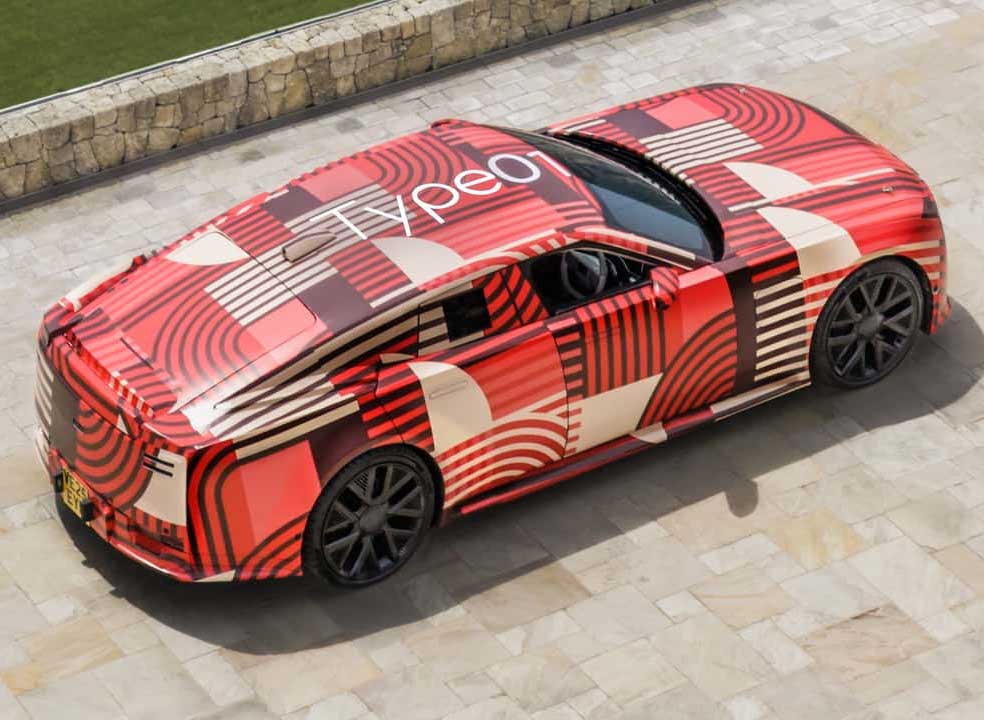
Jaguar Type 01 at Life in Classic
A New Chapter for Jaguar’s Electric Flagship
Jaguar has named its next flagship the Type 01, a four-door ultra-luxury grand tourer designed to reset the brand for the electric age. The car rides on the new Jaguar Electric Architecture and swaps supercharged V8 thunder for a tri-motor electric punch. With 1,000 metric horsepower on tap, it aims squarely at the rarefied territory now owned by Bentley and Rolls-Royce. The move signals a clear strategy: fewer cars, higher luxury, and no tailpipes.
That strategy carries risk. Yet the engineering case looks strong. The Type 01’s numbers and systems show ambition and intent. As a result, Jaguar wants this car to lead a new era while keeping the big cat’s spirit alive.
What the Type 01 Name Signifies
The “Type” name recalls icons like the E-Type and F-Type, but Jaguar now gives it a modern twist. The “0” represents zero tailpipe emissions and a clean-sheet reset for the marque. Meanwhile, the “1” signals the first product of this new chapter. Together, the characters write a simple promise: tradition meets transformation.
Even the badging takes a discreet route. Instead of shouting, it uses a subtle strikethrough line at the base of the windshield. Therefore, the car presents a quiet confidence, not a loud declaration. It looks forward while still nodding to the past.
Tri-Motor Power with Grand‑Touring Character
Under the skin, the Type 01 runs a tri-motor layout: one up front and two at the rear. The system delivers 1,000 metric horsepower (986 bhp) and 1,300 Nm (959 lb-ft) of torque. However, Jaguar tunes the power flow to build progressively. The aim is a sustained surge, more like a big-displacement GT, not a single shock of speed.
The battery pack forms part of the structure, serving as a stressed member within an aluminum chassis. As a result, Jaguar cites torsional stiffness of 50 kilonewtons. This approach should help steering precision, body control, and refinement. It also underlines how integral the pack is to the car’s dynamics.
Big‑Car Agility and Control Systems
The Type 01 is not small. It measures 5.2 meters long and weighs about 2.7 tons. Even so, development teams pushed hard to give it a classic rear‑biased feel. They tested in the Arctic to find grip and balance in extreme conditions. Therefore, the handling conversation starts with control, not mass.
The tri-motor setup enables fine torque vectoring. It checks wheel slip 1,000 times per second and can swing from standard all‑wheel drive to an 87% rear bias. Additionally, a height‑adjustable air suspension and active twin‑valve dampers manage body motion. A rear‑steer system turns the back wheels up to six degrees. Together, these tools aim to shrink the car around the driver.
Range, Charging, and Cabin Design
Grand touring demands long legs and fast pit stops. The Type 01 uses a 120 kWh NMC battery and an 850-volt electrical system, with charging rates expected to reach up to 350 kW. Jaguar is targeting more than 690 kilometers of range, depending on final specification and test cycle. Therefore, the car should offer the sort of distance capability buyers expect from a true luxury GT.
The cabin follows the same reset philosophy as the exterior. Jaguar has moved away from traditional dashboard clutter and toward a more architectural interior. Materials, tactility, and space are likely to matter as much as screen size. That choice feels important. Ultra-luxury buyers do not simply want technology. They want atmosphere, craftsmanship, silence, and a sense that every surface has been considered.
The absence of a rear window also reinforces the concept-car influence. It is a bold detail, and not everyone will like it. However, camera-based rear visibility and digital mirrors now allow designers to rethink old assumptions. In this case, the decision gives the Type 01 a cleaner rear profile and a stronger visual identity. For a brand trying to be noticed again, that matters.
A Risky Reinvention for a Historic Brand
Jaguar’s challenge is not only technical. It is emotional. For decades, the company built its reputation on grace, pace, and a certain British glamour. The best Jaguars felt elegant but slightly dangerous. They had long bonnets, poised handling, and engines that turned journeys into events. Replacing that formula with a silent electric flagship is not a small step. It is a leap.
Yet Jaguar also knows that nostalgia alone cannot secure the future. The market for traditional luxury saloons has changed dramatically. SUVs dominate. Emissions rules tighten. Younger high-end buyers often think differently about performance, design, and status. Therefore, the Type 01 cannot simply imitate an XJ or an F-Type with batteries installed. It needs to make a new argument.
That argument appears to center on presence, rarity, and design confidence. Instead of chasing volume, Jaguar wants to become more exclusive. The Type 01 will likely sell in smaller numbers than old mainstream models, but at a far higher price and with a more curated ownership experience. In that sense, it is less a replacement for the old Jaguar range and more a statement of survival.
Can It Still Feel Like a Jaguar?
The key question is simple: will it feel like a Jaguar? Numbers alone cannot answer that. A 1,000-hp electric car can be brutally fast, but speed is now common in the EV world. What separates a Jaguar should be the way it moves, the way it responds, and the way it makes the driver feel after several hours behind the wheel.
That is where the Type 01 must prove itself. The progressive throttle mapping, rear-biased torque delivery, air suspension, rear steering, and active damping all point toward a car shaped for fluidity rather than shock value. If Jaguar succeeds, the Type 01 will not feel like a heavy electric missile. It will feel like a grand tourer with depth, poise, and confidence.
The Monaco appearance was a clever place to show that intent. Monaco links luxury, motorsport, tight roads, and glamour in one setting. It also connects Jaguar’s Formula E work with its road-car future. That matters because the brand needs credibility in electric performance, not just design theatre. A camouflaged prototype lapping a street circuit cannot answer every question, but it can set the tone.
Why the Type 01 Matters
The Type 01 arrives at a decisive moment. Jaguar has paused much of its old identity and is preparing to return with a smaller, more expensive, fully electric lineup. That makes this car more than a new model. It is the lead vehicle for an entire brand transformation. If it works, Jaguar gains a fresh place in the luxury world. If it fails, the reset becomes much harder to defend.
The opportunity is real. Few brands have Jaguar’s mix of racing history, design heritage, and emotional recognition. The E-Type still casts a long shadow, but that shadow can help rather than hinder. The Type 01 does not need to copy it. Instead, it needs to capture the same courage: a shape that looks different, engineering that feels advanced, and a character that people remember.
Electric luxury is becoming crowded, but many rivals still feel rational before they feel romantic. Jaguar has a chance to take another path. It can build an EV that is not only fast and quiet, but also dramatic, sensual, and slightly unexpected. That has always been the brand’s strongest territory.
A Flagship with Something to Prove
The Type 01 is bold because it has to be. A cautious electric Jaguar would disappear quickly among faster, richer, and better-established luxury rivals. A dramatic one may divide opinion, but it gives the brand a fighting chance to matter again.
Its long body, immense power, advanced chassis systems, and ultra-luxury positioning all suggest a car designed to make an entrance. However, the real test will come away from launch events and city circuits. It must glide down motorways, flow through mountain roads, charge without drama, and make its owner feel that choosing Jaguar was not merely different, but right.
That is a high bar. Yet Jaguar’s greatest cars were never ordinary answers to ordinary questions. They carried risk in their proportions, their engineering, and their personality. The Type 01 continues that tradition in electric form. No supercharged V8 will announce its arrival. No tailpipes will frame the rear. Still, if the car delivers on its promise, the old spirit may remain intact.
For Jaguar, this is not just the first car of a new era. It is a test of whether elegance, performance, and theatre can survive the transition to silence. The Type 01 suggests they can.