
Classic Car Connections: Chevrolet, Ferrari, and Honda
Explore classic car connections through Chevrolet, Ferrari, and Honda, delving into history, engineering, and collecting culture.
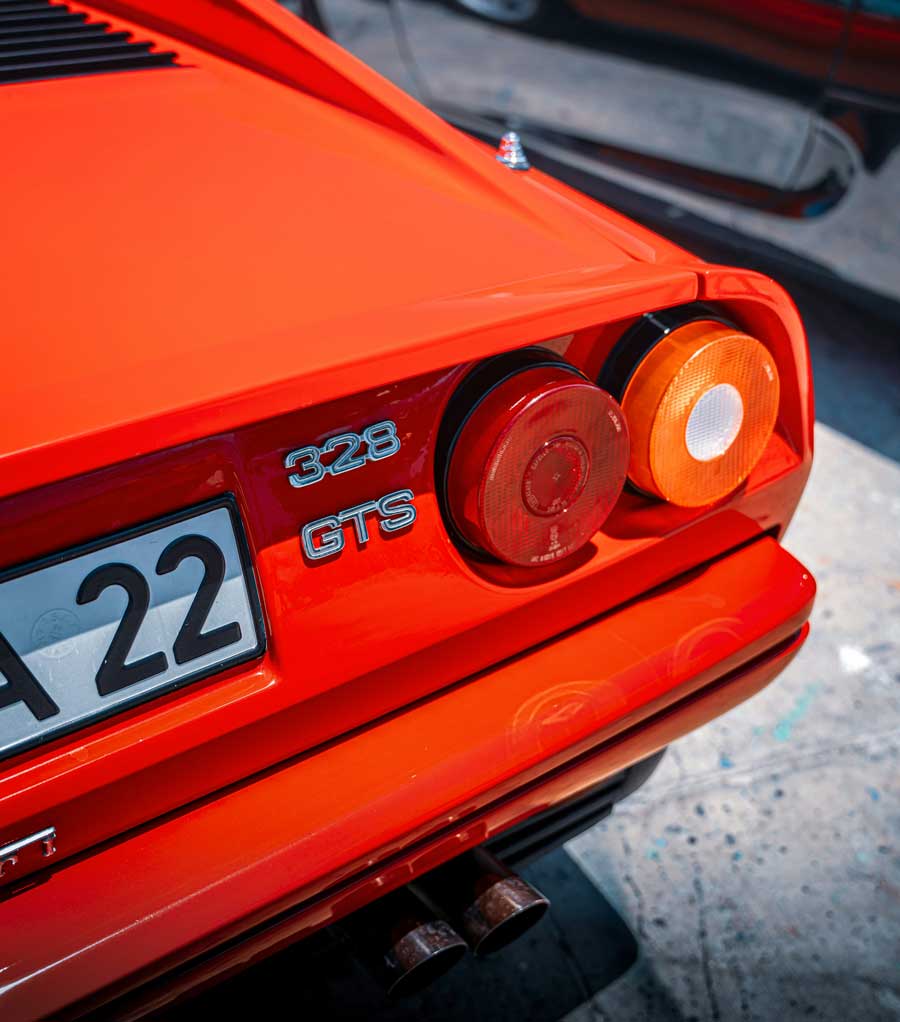
Ferrari 308 GTS at Life in Classic
In the landscape of classic cars, connections often tell a more profound story than the automobiles themselves. Some of the most compelling narratives are forged through the connections between various manufacturers—like Chevrolet, Ferrari, and Honda. While these brands may initially seem unrelated, they share a rich history woven through competition, collaboration, and innovation. This article delves into these classic car connections, illuminating how these renowned automakers reflect a tapestry of automotive evolution.
Chevrolet’s Legacy and Influence
Founded in 1911 by Louis Chevrolet and William C. Durant, Chevrolet quickly became an industry powerhouse. Known primarily for its robust line of sedans and sports cars, the brand earned a revered spot among American car enthusiasts. The Chevrolet Corvette, launched in 1953, is particularly emblematic of American muscle and design, captivating fans with its performance and aesthetic allure.
The Corvette is not only significant as a model; it embodies Chevrolet’s technological innovations and engineering advancements. With its lightweight fiberglass body and high-performance engines, the Corvette symbolizes America’s post-war automotive aspirations and has garnered a fiercely loyal following.
In the collector community, vintage Corvettes often appreciate substantially, making them a sound investment for enthusiasts. Classic enthusiasts seek these models not just for their speed but for the nostalgia they evoke, connecting contemporary owners with the golden age of American sports cars.
Ferrari: Passion, Performance, and Prestige
Founded in 1939 by Enzo Ferrari as a division of Alfa Romeo, Ferrari has crafted an unmatched reputation in the world of luxury and performance cars. The brand is synonymous with racing success; its vehicles dominate tracks across the globe, reflecting Italian artistry and engineering prowess. The Ferrari 250 GTO, produced from 1962 to 1964, is a prime example of this legacy. Only 39 units were made, and its rarity escalates its desirability, with some fetching upwards of $70 million at auctions.
Ferrari’s dedication to design excellence is evident in every vehicle it produces, from the elegant lines of the Ferrari 488 to the aggressive stance of the Ferrari F40. Collectors prioritize these models not only for their outstanding performance metrics but also for the passion they ignite within the automotive community.
The connection between Ferrari and its owners evolves beyond mere possession; it embodies a lifestyle. Vintage Ferrari events attract enthusiasts worldwide, creating a culture around the shared love for these extraordinary machines.
Honda’s Revolution in Reliability and Accessibility
On the other end of the spectrum lies Honda, established in 1948 by Soichiro Honda. Known initially for their motorcycles, Honda revolutionized the automotive landscape in the late 20th century. The Honda Civic, launched in 1972, offered affordability, reliability, and a compact design that appealed to a broad audience. Over the years, the Civic evolved from a humble compact car to a staple among classic car enthusiasts.
Honda’s engineering approach, centered on efficiency and practicality, quickly garnered admiration. As a result, collectible older models, like the Honda S600 and the first-generation Civic, attract considerable interest for their technical distinction and the separate cultural identity they nurtured. Enthusiasts often engage deeply in the restoration and preservation of these classics, ensuring their legacy and continued impact on modern automotive engineering.
The Interwoven Tales of Motorsports
While Chevrolet and Ferrari evoke images of roaring engines and epic rivalries on the race track, their paths have crossed in various competitions throughout the decades. In the early days of NASCAR, for instance, Chevrolet faced fierce competition but eventually established itself as a prominent force. Meanwhile, Ferrari dominated in F1, showcasing the dramatic intersection of these automotive titans in motorsports.
Honda, while not traditionally associated with classic car racing, has made its mark through motorsport endeavors as well. The Honda Civic, particularly the Si models, found popularity in grassroots racing as enthusiasts organized events around digging deeper into performance and tuning. These racing histories forge a bond among brands that transcends national boundaries, creating mutual recognition among classic car enthusiasts.
Collecting and Restoring: A Cultural Phenomenon
The allure of classic car connections extends into the realms of collecting and restoration. Enthusiasts appreciate these vehicles not only for their historical significance but also for the stories they tell about automotive culture within different eras. Collector communities often feature gatherings where enthusiasts can showcase their rare restorations, share knowledge, and nurture camaraderie.
The efforts of dedicated restorers breathe new life into classic models. Owners of vintage Corvettes, Ferraris, and Hondas often embark on restoration journeys that revive the mechanical and aesthetic beauty of their vehicles. The meticulous craftsmanship involved in restoring these classic cars reflects a blend of passion and history, enriching the ownership experience. Adhering to original specifications often raises the model’s market value, translating years of work into satisfying returns.
Looking Ahead: Future of Classic Car Connections
As sustainability becomes increasingly pivotal in automotive development, the classic car industry is navigating a time of change. The integration of electric vehicle technology into the classic car space indicates a new direction. Brands like Chevrolet and Honda are already making strides into electric and hybrid models, but the classic car community often looks back for inspiration.
Innovation meets tradition as enthusiasts adapt classic designs to accommodate modern performance expectations while preserving the timeless character that makes these cars special. These adjustments also reflect a broader commitment within the classic car community to promote sustainability and responsibility.
While new models may rise to prominence, the connection between brands like Chevrolet, Ferrari, and Honda will continue to inspire both nostalgia and innovation. As these classic car connections evolve, they will undoubtedly shape the future of the automotive landscape, offering new generations of enthusiasts opportunities to engage with the past.
Conclusion
The unique connections among Chevrolet, Ferrari, and Honda serve as a testament to the enduring legacy of classic cars. They remind us that the history of these vehicles is not just measured in specifications and features; it’s about the connections we forge through a shared passion for automotive excellence. Whether you’re an avid collector, a casual fan, or someone completely new to the classic car scene, exploring these connections adds a layer of appreciation for each of these iconic brands.
For more stories like this, explore our Iconic models coverage on Life in Classic.
The Cultural Impact of Chevrolet, Ferrari, and Honda in the 20th Century
The 20th century witnessed an automotive revolution, with each manufacturer carving a distinct niche. Chevrolet emerged during the Great Depression, symbolizing accessible American automotive innovation. Founded in 1911, its modest beginnings focused on building reliable vehicles for the masses. By the 1950s, models like the Bel Air defined American car culture, representing not just transportation but an aspirational lifestyle.
In contrast, Ferrari established itself in the shadow of World War II, capturing the essence of Italian craftsmanship and racing spirit. Founded in 1939, Ferrari began as a division of Alfa Romeo, but it quickly evolved into a standalone brand known for performance and luxury. The 1960s marked a turning point, as Ferrari’s participation in motorsports gained global acclaim, showcasing the synergy between high-performance engineering and Italian design. The iconic Ferrari 250 GTO became a symbol of wealth, exclusivity, and adrenaline, solidifying the brand’s place in the automotive elite.
Honda’s emergence post-World War II brought a different narrative. Founded in 1948, the company initially focused on producing motorized bicycles, highlighting its engineering prowess with the original Honda Dream. The 1960s and 70s saw Honda pivot to automobiles, particularly with the introduction of the Honda Civic in 1972. This model resonated with a growing demographic seeking reliable, fuel-efficient options during the oil crisis, and it quickly encapsulated the shift towards practicality and affordability in car ownership.
These manufacturers not only reflected their respective economic climates but also shaped cultural perceptions of car ownership. Chevrolet’s nostalgic Americana, Ferrari’s exclusive allure, and Honda’s practical innovation all spoke to varying consumer desires of their times. The competition among these brands catalyzed advancements in automotive technology, safety standards, and design philosophies, intertwining the narrative of individual manufacturers with broader societal shifts.
As each brand evolved, their vehicles mirrored changing consumer values—from the exuberance of post-war consumerism to the environmentally conscious choices of later decades. This interplay of culture and innovation creates a rich historical tapestry, illustrating how these iconic brands remain connected not only to their markets but also to the broader narrative of automotive history.