
Why the Porsche 930 Turbo Earned Widowmaker Status
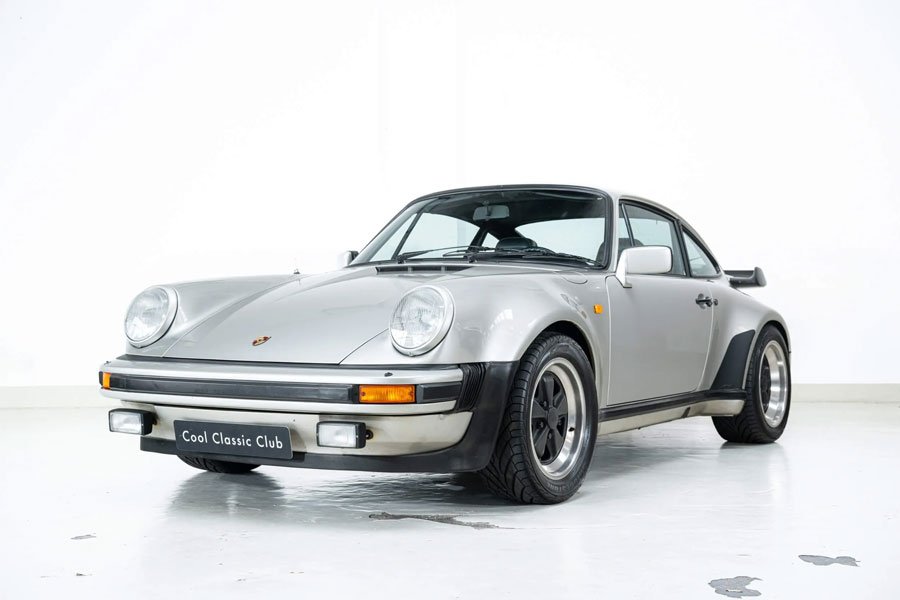
Posche 930 at Life in Classic
The Turbocharged Legend That Demanded Respect
Ask seasoned drivers to name the most intimidating road car ever built, and many will skip the modern hypercar era. Instead, they recall a machine with a towering whale tail, round headlights, and a ruthless reputation: the Porsche 930 Turbo. Launched in 1975, it turned the 911 formula into something raw and fearsome. It paired evocative design with a brutal power delivery that rewarded skill and punished mistakes.
Even now, the 930 stirs equal parts admiration and caution. Its nickname, the Widowmaker, was not a marketing flourish. Rather, it grew from real-world behavior at the edge of grip. The car could dazzle on a clear road. Yet it could also snap without warning when a driver misjudged boost, balance, or timing. Therefore, it demanded respect long before you turned the key.
The Sudden Surge: When Turbo Lag Hits Hard
In the 1970s, turbocharging belonged to early adopters and brave engineers. The Porsche 930 used a large single turbocharger that took time to build pressure. Press the throttle and, for a beat, little happened. Then, like a switch, the engine lunged forward with a hard rush of boost. The delayed surge felt thrilling in a straight line. However, it could arrive at the worst moment in a corner.
That abrupt jump in power, often well above 300 horsepower, overwhelmed rear tires without much warning. Consequently, a small misalignment of the steering wheel or a slight throttle twitch could send the car sideways. Drivers learned to anticipate the wave and commit early. If they waited for the surge to arrive before setting the car, the physics of the moment usually took control.
Rear-Engine Physics and the Pendulum Effect
The 930 carried its engine behind the rear axle, like every 911. That placement delivered tremendous traction on exit, yet it also created a strong pendulum effect. Think of a hammer thrown handle first. The heavy head wants to swing around. The 930 behaved the same way when unsettled. As the tail stepped out, rotating mass wanted to keep rotating.
Panic often made things worse. Many drivers lifted off the throttle when the turbo hit mid-corner. That lifted weight from the rear, moved it forward, and reduced grip at the back. As a result, the car spun with startling speed. The lesson was simple but strict: maintain balance, manage boost, and stay smooth. Otherwise, the pendulum would win.
Short Wheelbase, Big Consequences
The 930 matched big power with a relatively short wheelbase. That mix made turn-in sharp and responses immediate. On a track, in the hands of an expert, it could feel alive and precise. On the street, though, every input counted. There were no electronic safety nets. No traction control, no stability systems, and no active aero stood between the driver and the consequences.
Instead, you got a stout four-speed manual gearbox, heavy controls, and honest feedback. Therefore, technique mattered. Smooth steering, measured throttle, and early planning turned the 930 into a partner. Jerky inputs, mid-corner corrections, and late reactions turned it into an adversary. The line between glory and trouble stayed razor thin.
The “Doctor Killer” Reputation Takes Hold
Importantly, the reputation did not form only on racetracks. In the late 1970s and 1980s, the 930 became a status symbol. Successful professionals wanted the fastest Porsche, yet many lacked experience with rear-engine dynamics and turbo lag. On public roads, that mismatch sometimes ended badly. Stories spread of sudden spins and serious crashes. The media amplified them, and the nickname stuck.
Plenty of owners drove their cars with care and enjoyed them for years. Still, the legend grew from the number of incidents and the car’s unforgiving nature. In public imagination, the 930 morphed into a beautiful threat: a masterpiece that demanded flawless execution and offered no second chances when misused.
Driving One Today: Skill Over Speed
Against today’s electric rockets and modern GT cars, a stock 930 no longer feels the fastest. Yet it remains challenging in a way many find more rewarding. It asks you to manage boost, hold your nerve, and prepare the chassis before the rush arrives. Therefore, it teaches a lost discipline. You learn to feel weight transfer and commit to a line.
Collectors now prize the 930 for the same reasons that once scared buyers away. It is raw, mechanical, and demanding. Moreover, it captures a moment when road cars carried few filters between driver and machine. There were no algorithms to save a late correction, only skill and nerve. For many enthusiasts, that is the point. The 930 does not merely go fast. Instead, it makes you earn every mile, and it rewards you with a visceral memory of what driving used to be.