
Behind the Scenes at the Corvette Museum
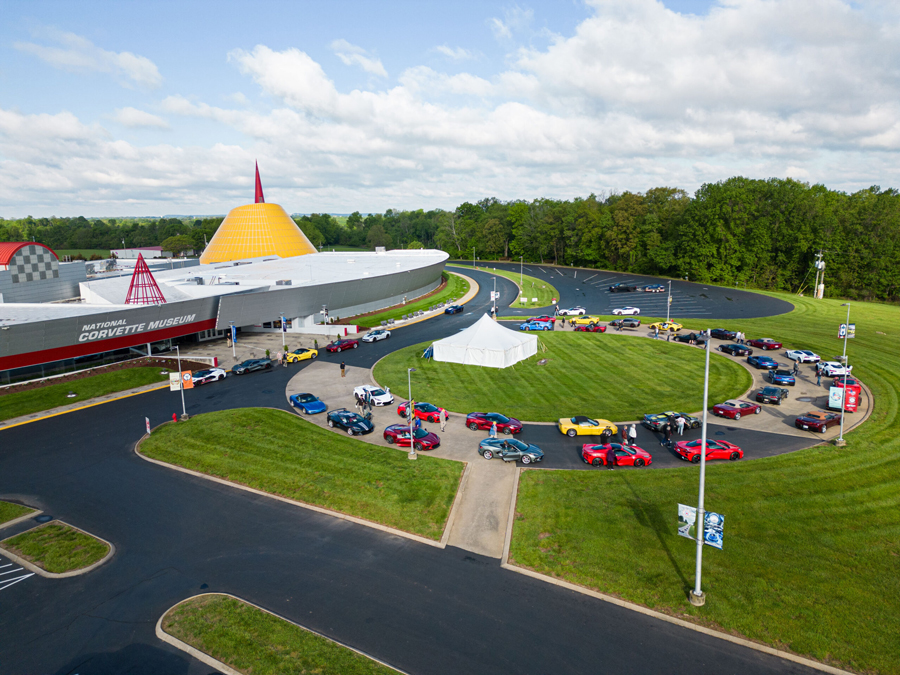
Corvette Museum USA - Life in Classic
An Exhibit That Reveals the Work
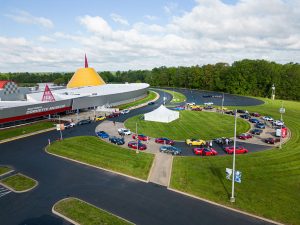
Going to a museum often feels like watching a finished film. You see a polished result, yet you miss the years of research and careful effort behind it. Starting March 12, 2026, the National Corvette Museum in Bowling Green, Kentucky, will lift the curtain. Its new exhibit, Driven to Preserve, invites visitors to explore how Corvettes are tracked, documented, stabilized, and interpreted, not just displayed.
This fresh view celebrates the people and practices that keep automotive history alive. It also shows how a museum protects both objects and their stories. As a result, guests will leave with a deeper sense of how preservation shapes what they see on the floor. And they will gain tools to spot those details during any future visit.
How Preservation Happens Day to Day
Driven to Preserve highlights three core areas of behind-the-scenes work. First, it reveals the documentation, logistics, and care needed to manage the museum’s collection. Teams catalogue each vehicle and artifact, track its movement, and plan its safe handling. Moreover, they monitor condition changes and schedule preventive care before issues spread.
Second, the exhibit shows that conservation goes well beyond a shiny finish. The museum also preserves context, materials, and history. Therefore, registrars document a car’s life story, its parts, and its modifications. They record service notes and ownership trails. In addition, technicians stabilize fragile elements and conserve original finishes when possible. This approach protects value and meaning, not only appearance.
Tools, Lifts, and the Science of Care
The third focus is, of course, the cars themselves. Several Corvettes will stand on lifts inside the Limited Engagement Gallery. Around them, interpretive displays explain the tools and techniques that guide care. Furthermore, visitors will see how staff use environmental monitoring to guard against heat, humidity, and light. They will also learn how object tracking systems protect artifacts and simplify research.
These demonstrations show how data and craft work together. For example, a slight shift in humidity can stress leather and paint. However, real-time sensors allow proactive action before damage occurs. Likewise, precise records help curators choose safe display angles and lighting. In short, science and storytelling meet under the hood.
A Preview of the New Collections Facility
This fall, the museum will open its new 66,000-square-foot Collections Facility. The site will showcase the most significant Corvettes, key artifacts, and the preservation work that sustains them. Driven to Preserve offers a preview of what guests will find there. It connects today’s exhibit floor to the long-term home for the collection.
The new space will also support deeper research and safer storage. Consequently, staff will have room to process, conserve, and interpret incoming vehicles and materials. Visitors will see more cars and more context in one place. And they will better understand how each step, from intake to display, protects a shared heritage.
Spotlight Cars and the Stories They Tell
Among the vehicles featured in the preview are three Corvettes with powerful tales. First is a Tuxedo Black 1962 model rescued from the 2014 sinkhole that shocked the museum community. The car was carefully restored in 2018. Notably, the team even preserved a Frisch’s Big Boy sugar packet found under the seat. That small detail now adds vivid, human context to the car’s life.
Next is a 1979 engineering development mule. It began as an experimental platform and later served as a training tool at the Bowling Green Assembly Plant. Eventually, it reached the museum in many pieces. Over several years, staff reassembled the car and returned it to a complete form. As a result, the vehicle now teaches visitors about testing, learning, and the value of patient work.
The third is a 2003 Z06 enhanced by Callaway. The upgrades pushed output to nearly 500 horsepower. Moreover, the car helps explain how performance modifications become part of an artifact’s story. It also shows the choices curators face. Do they return a car to stock form or preserve a documented, period-correct upgrade? Here, the modification stays, and the story gains depth.
Together, these three Corvettes reveal the range of preservation challenges. They cover rescue and repair, research and reassembly, and the careful recording of performance history.