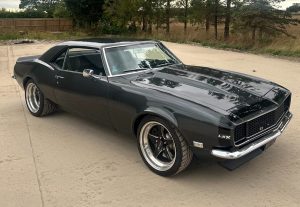

Smart Ways to Finance a Classic Car

Classic car financing - Life in Classic
Why Financing a Classic Car Is Different
Owning a classic car blends passion, heritage, and long-term value. For many enthusiasts, the journey begins with smart financing. Unlike a daily driver, a collectible car is a specialty asset. Its value depends on history, condition, and market demand.
Because of that, lenders use different rules. They look past simple book values and focus on a car’s collectible appeal. As a result, the process can take more preparation, yet it often rewards careful buyers. With the right steps, you can secure a loan that respects both the car and your budget.
Moreover, thoughtful financing can support restoration plans and future value. It can also safeguard your cash flow while you pursue the right car. Therefore, understanding how lenders think will help you move quickly when a great example appears.
What Qualifies as a Classic or Collector Car
There is no single definition that covers every lender. Many institutions start with age, often 20 years or older. However, age alone rarely seals the deal. Lenders also weigh rarity, desirability, provenance, and documented condition. Strong history and matching numbers can carry real weight.
Additionally, market demand influences approvals and terms. A model with an active community and consistent auction results tends to score well. Well-preserved originals and quality restorations also rank higher. Consequently, cars that hold or appreciate in value often receive more favorable attention than typical daily drivers.
Still, standards vary by lender and by vehicle segment. Muscle cars, vintage European sports cars, and limited-production models often fit the profile. Meanwhile, modified cars can qualify when work is documented and high quality. Therefore, research the market for your specific model before you apply.
How Lenders Evaluate Your Application
Most lenders begin with proof of value. A professional appraisal or a pre-purchase inspection helps establish an objective market number. In many cases, they also review recent comparable sales. Because collector markets can fluctuate, lenders keep loan-to-value ratios conservative.
Next, they consider the down payment. Many programs expect 10 to 20 percent, depending on the car and your profile. Strong credit and a healthy debt-to-income ratio improve your options. Moreover, classic car insurance with agreed value coverage is often required.