
Shelby Can-Am Revival Cars and Parts Hit the Market
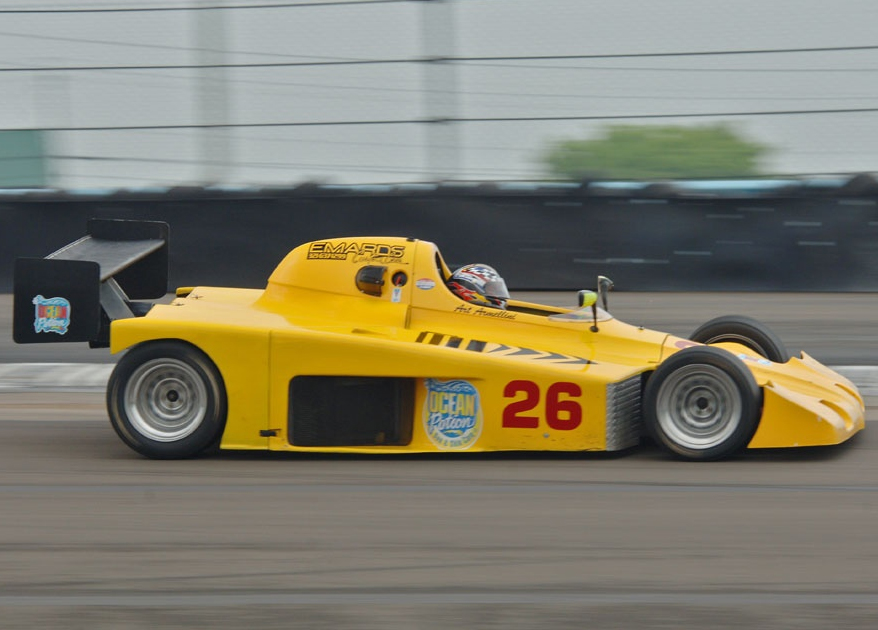
Shelby Can-Am Revival Cars
From Can-Am’s fall to a Shelby-led revival
The Sports Car Club of America wound down its original Can-Am single-seater series in the mid-1980s, as CART Indycar gained momentum. Yet the format did not fade for long. Carroll Shelby helped lead a fresh take that arrived in the early 1990s.
Shelby already had buzz from his Dodge collaborations in the 1980s, including lively Omni, Charger, and Lancer variants. Those street cars carried the “Goes Like Hell” legend into showrooms. However, the track would soon call again.
With support from the SCCA, a spec-style formula took shape. It promised equal equipment, close racing, and a ladder for aspiring professionals. As a result, Shelby Can-Am launched in 1991 with a clear mission and an unmistakable look.
How the Shelby Can-Am cars were built
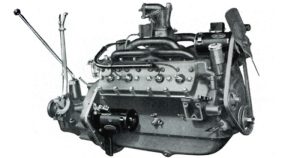
Shelby, designer Peter Brock, and engineer David Burns penned the cars’ body and chassis. Racefab Inc. constructed the tubs and key structures. Then Dodge stepped in with 3.3-liter V6 powerplants to complete the package.
The series targeted 200 cars, but production ultimately stopped around 75 examples. Even so, the grid filled out for six seasons in the United States. The racing was close, the costs were controlled, and the sound of V6 power echoed through the paddock.
Moreover, the formula kept the focus on drivers. Identical equipment put racecraft, setup, and nerve at a premium. Consequently, several talents built reputations that still resonate with fans of the era.
Three cars with stories to tell
Today, a notable offering gathers multiple Shelby Can-Am machines and a cache of parts in one place. The centerpiece includes three complete cars plus a rolling chassis. For collectors and vintage racers, that concentration is rare.
The rolling chassis, tagged #008, carries history of its own. Scott Harrington drove it in period in McDonald’s livery. He won the 1992 championship and scored victories in each of his three seasons, making him a standout of the series. The original bodywork is not present; however, the molds accompany the sale.
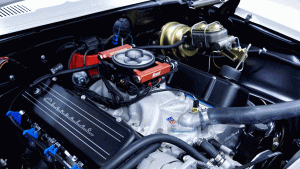
Two finished cars wear aluminum bodies and pay tribute to legends. Car #66 (chassis 006) retains its original Dodge V6. Meanwhile, car #20 (chassis 068) runs an LS V8 believed to be sourced from a Corvette. Both cars honor icons from American open-wheel racing: Mark Donohue and Gordon Johncock.
The third complete car, chassis #70, is a time capsule. It has never been sold or raced and remains entirely original. For many buyers, that untouched status is the ultimate draw.
Shelves of spares for racers and restorers
The package goes far beyond the cars themselves. Pallets and shelves hold a broad inventory of spares. That depth matters, because parts support is the backbone of any vintage program.
More than half a dozen engines are included, most of them Dodge V6s. A couple of Corvette units join the stash as well. In addition, boxes of transaxle parts sit ready for rebuilds and setup work.
Wheel sets, chassis panels, and a selection of fiberglass pieces expand the haul. Wings and noses offer sensible insurance against track incidents. Consequently, a single buyer could race, test, and repair with confidence.