
Seoul From Royal Palaces to Neon Skies
Seoul From Royal Palaces to Neon Skies - Life in Classic
Why Seoul Captivates Travelers
Seoul, the energetic capital of South Korea, blends dynastic history with cutting-edge innovation. The city stretches from ornate royal palaces to soaring towers and buzzing shopping streets. With more than two millennia of heritage, it showcases tradition at every turn, yet it also leads Asia’s tech-driven lifestyle. Therefore, visitors find an inspiring contrast: serene gardens beside glassy skyscrapers, and artisan alleys near colossal malls. Moreover, its neighborhoods each bring a distinct identity, from creative enclaves to multicultural hubs. As a result, Seoul rewards slow exploration and spontaneous detours. This guide highlights the city’s essential landmarks, modern icons, shopping districts, beloved foods, and character-rich quarters that give Seoul its unmistakable rhythm.
Palaces and Living Heritage
Begin with Gyeongbokgung, the grandest palace of the Joseon Dynasty. Built in 1395, it remains a proud symbol of royal Korea. You can stroll majestic courtyards, pass through imposing gates, and time your visit for the colorful changing of the guard ceremony. Nearby, the National Palace Museum and the National Folk Museum add helpful context. Furthermore, a short walk leads to Bukchon Hanok Village, where wooden hanok homes line sloping lanes between Gyeongbokgung and Changdeokgung. Here, workshops, tea rooms, and quiet guesthouses preserve a neighborhood feel.
Additionally, Insadong offers a cultural marketplace of galleries, antique shops, and crafts. You can browse calligraphy supplies and pottery, then sample street treats like hotteok or rice cakes. Meanwhile, Changdeokgung and its Huwon (Secret Garden) display harmony with nature. The palace follows the land’s contours, and the landscaped garden reveals seasonal beauty. In spring and fall, photographers and history lovers flock to its calm paths.
Futuristic Icons and City Views
Seoul also shines as a city of tomorrow. For panoramic views, ride up Namsan to N Seoul Tower. Observation decks and interactive exhibits bring the skyline to life, while the playful “Locks of Love” add a romantic touch. Moreover, the Dongdaemun Design Plaza, designed by Zaha Hadid, represents Seoul’s fluid, forward-looking spirit. Its sweeping curves host fashion shows, design exhibitions, and eye-catching night illuminations that draw crowds and cameras.
Furthermore, Gangnam channels the city’s high-energy ambition. Here, glass towers, sleek boutiques, and entertainment venues line wide boulevards. COEX Mall, one of Asia’s largest underground shopping centers, packs in shops, dining, a cinema, and an aquarium. After dark, the area’s music venues, lounges, and cafes keep the momentum going. Thus, Gangnam offers a full day’s arc, from shopping and culture to nightlife.
Shopping, Style, and Street Life
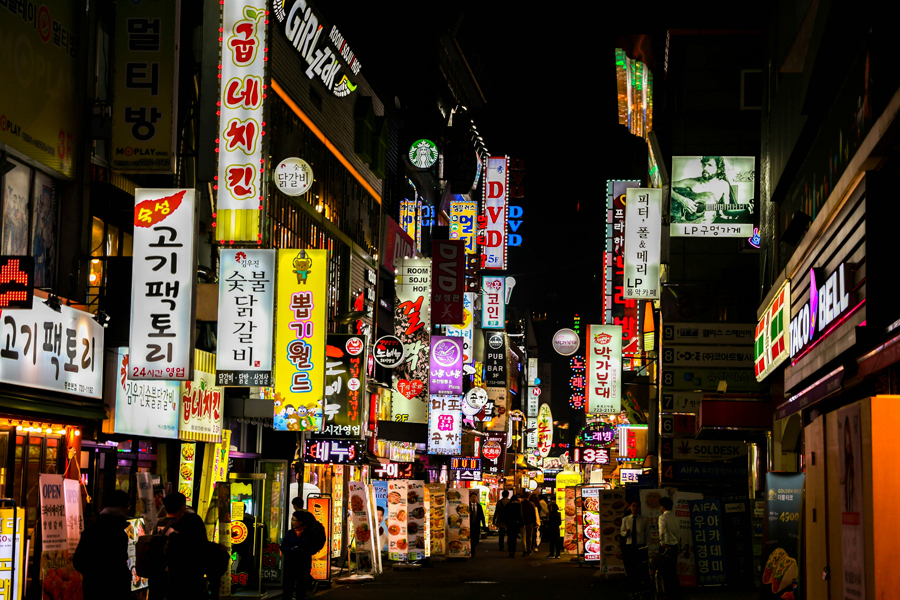
Myeongdong remains a magnet for fashion and beauty fans. You can pick up the latest skincare, browse international labels, and taste street food favorites along its neon-lit lanes. Moreover, vendors tempt passersby with tteokbokki, dumplings, and grilled seafood. For a creative vibe, head to Hongdae near Hongik University. Street performances, indie shops, and night markets drive a youthful, artistic buzz. Additionally, small studios and pop-up stalls showcase local designers and illustrators, making it ideal for unique finds.
Meanwhile, Namdaemun Market brings a classic, old-Seoul feel. Stalls overflow with clothing, accessories, kitchenware, and regional specialties. It is a lively place to bargain and people-watch. Conversely, Dongdaemun operates almost around the clock and leans into wholesale fashion. You can navigate massive complexes that supply trends to the city’s boutiques. Therefore, both markets complement each other: one rooted in tradition, the other racing with fast-moving style.
Eat and Drink the Seoul Way
Food anchors daily life in Seoul, and variety comes fast. Korean barbecue is a must, with sizzling cuts grilled at the table and wrapped in lettuce with kimchi, garlic, and sauces. Moreover, neighborhoods like Itaewon and Hongdae host standout BBQ spots with lively atmospheres. For street eats, Gwangjang Market stands out. You can try bindaetteok (mung bean pancakes), mayak kimbap, and bold, spicy tteokbokki. Additionally, friendly vendors and communal counters make sampling easy and fun.
Beyond markets and BBQ, Seoul’s cafe culture deserves time. Themed and design-forward spaces range from flower-filled parlors to cozy hanok cafes. Furthermore, districts such as Samcheong-dong pair refined interiors with photogenic desserts and specialty coffee. Consequently, a cafe break becomes part of the city’s creative ritual, not merely a caffeine stop. Finally, whether you chase tradition or trends, you will eat very well in Seoul.
Neighborhoods with Character
Itaewon mixes global influences with local energy. You will find Middle Eastern grills, Indian curries, and European bakeries alongside Korean favorites. Moreover, its nightlife runs late, fueled by bars, live music, and a diverse crowd.