
Restful Weekend Getaways for Busy Young Professionals
Relaxing weekend this fall - Life in Classic
Why Slower Weekends Matter
After a full workweek, many young professionals want a break that actually restores energy. Fall weekends offer a natural pause. Cooler air, cozy meals, and quieter towns set the tone for calm. When you plan with rest in mind, a short trip can feel like a reset, not another task.
Pressure-free time helps your mind and body recover. You sleep better, think more clearly, and return with steadier focus. Even a two-night stay can make a difference. The key is to keep the experience simple. Choose ease over ambition. Then you can savor small moments that often get lost in a busier season.
With intention, a weekend away becomes more than a change of scenery. It becomes a deliberate pause that supports the week ahead.
Pick Destinations That Quiet the Noise
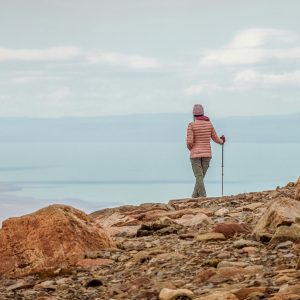
Your destination shapes the entire experience. Therefore, look for places that feel peaceful, not packed. Small lakeside towns, quiet mountain cabins, or off-season beach communities work well. They offer space, slower service, and fewer lines. You can breathe easier and move at your own pace.
Travel time matters too. Aim for a spot within three or four hours of home. Less transit means more time to unwind. When possible, choose direct routes and avoid complicated transfers. Simple arrivals reduce friction and stress. A hassle-free check-in sets the tone for the whole trip.
Finally, align location with your energy. If crowds drain you, steer clear of hotspots. If nature grounds you, pick trails, water views, or parks. The right setting makes rest more likely.
Pack Light and Bring Comfort Tools
Packing can add pressure, so keep it easy. Build a small weekend capsule: soft layers, comfortable shoes, and pieces you will actually wear. Then add a few items that help you relax. A favorite book, a calming playlist, or a sleep mask can make unfamiliar spaces feel welcoming.
Consider simple comforts that support downtime. A journal or sketchbook invites reflection. A small craft or puzzle can quiet a busy mind. Also, organize essentials in one pouch—chargers, earbuds, and medications—so you never hunt for what you need.
Pack the night before to start with a clear head. Toss in a water bottle and a few snacks for the drive. With fewer decisions and lighter bags, you arrive ready to rest.
Plan Less, Experience More
A thoughtful plan helps, but an overloaded agenda can drain your energy. Instead, set one or two anchors per day. Think a slow morning walk, a stop at a local bakery, or a sunset lookout. Let everything else stay flexible. You will create space for naps, wandering, or simply doing nothing.
Leave room for weather and mood. If you feel energized, add a trail or museum. If you feel tired, skip it without guilt. Moreover, book only what you must, such as lodging or a special dinner. Keep the rest open. Serendipity often leads to the best memories.
In short, a loose plan prevents the rush. You gain presence, which is what rest requires.
Log Off, Look Up, and Reset
Constant alerts pull attention away from the moment. Therefore, set a few screen-free blocks during your trip. Try a phone-free morning, an afternoon hike without notifications, or a no-email rule after dinner. If you must check in, do it once at a set time. Then put the device away.
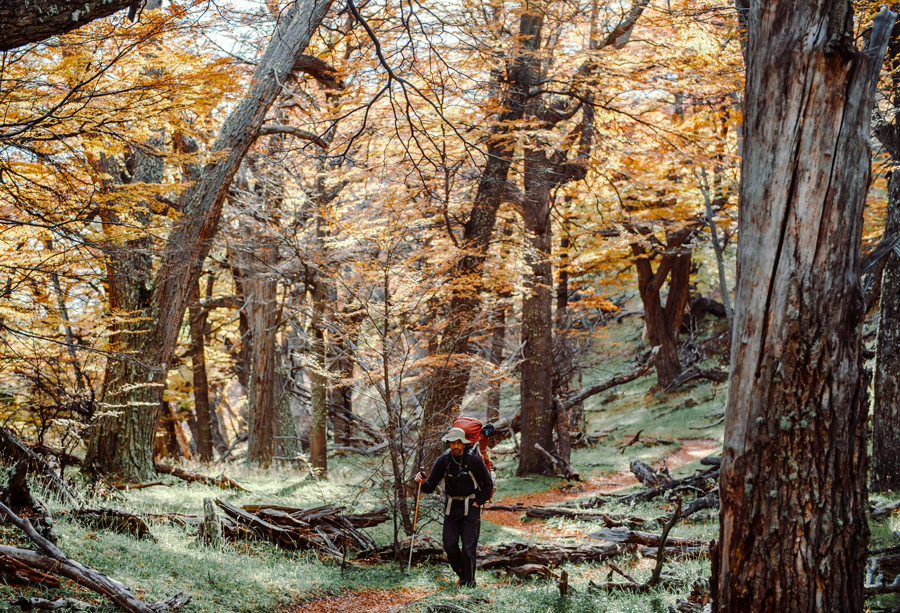
Nature helps you disconnect quickly. Walk under changing leaves. Watch water move. Sit in a quiet park with a warm drink. These simple scenes calm your nervous system. They also remind you to look up and slow down.
Even small digital boundaries make a big difference. Presence invites rest. Rest fuels clarity and optimism when you return.
Return With a Buffer and Keep the Calm
A great weekend also includes a gentle return. If possible, arrive home with a buffer. Come back Saturday night or early Sunday. Use the extra time to unpack, do a light load of laundry, and prep a few easy meals. You will thank yourself on Monday morning.
Then carry one habit into the week. Perhaps it is a slower breakfast, a sunset walk, or thirty minutes without screens after dinner. These small rituals maintain the calm you created. They also reduce the jolt back to routine.
Ultimately, you do not need a packed itinerary to feel restored. You need ease, space, and intention. When you honor that, you return clear, steady, and ready for what comes next.