
How One Watch Shaped Modern Haute Horlogerie
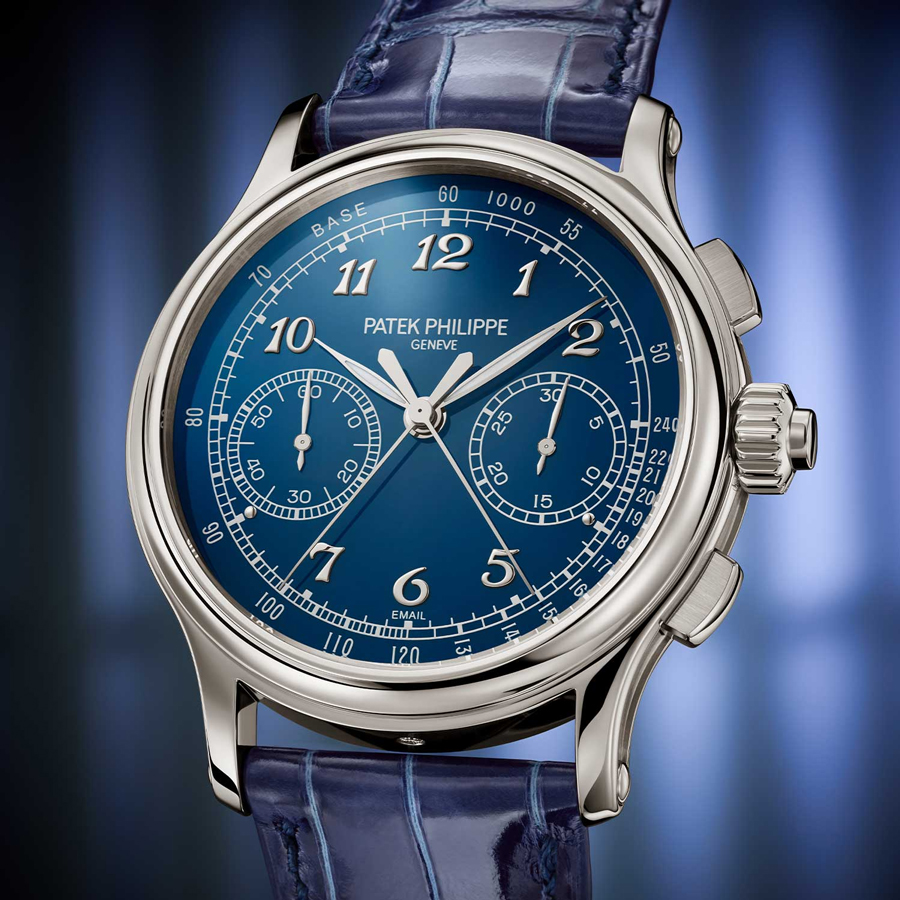
Patek Philippe 5370 - Life in Classic
The Benchmark That Sparked a Decade
The Patek Philippe 5370 stands as a lush, important watch. More than a model, it became a marker of what high-end watchmaking chose to value in the last decade. It arrived as a traditional split-seconds chronograph with a deeply classical spirit. Then it grew into an emblem of restraint, rigor, and craft during a time of rapid hype. As collectors chased novelty, the 5370 reminded the industry that quiet excellence can lead.
Its appeal came from substance. The movement invited a loupe and rewarded patience. The case offered classic proportions. The dial favored clarity and depth over spectacle. As a result, it set a tone that many brands followed. In many ways, the 5370’s arc shows how the best watches balance heritage with modern expectations. It did not shout. Instead, it proved that real luxury hides in details you only notice with time.
Craft, Complexity, and the Human Touch
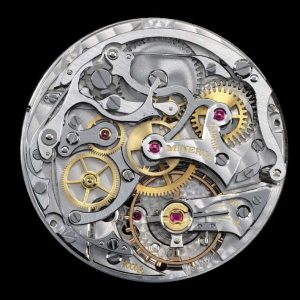
The 5370 is a rattrapante, a split-seconds chronograph. That complication remains one of the hardest to design, adjust, and finish. Because of that, it became a canvas for craft at the bench. Finely tuned column wheels, delicate levers, and hand-beveled bridges formed a mechanical landscape. Every angle mattered. Moreover, the finishing signaled intent: this watch chose tradition over shortcuts.
During the decade, many maisons doubled down on this approach. They revived enamel techniques, refined beveling, and trained new artisans. Consequently, the human touch re-entered the spotlight. While tools improved, the goal stayed the same: harmony, reliability, and beauty under stress. The 5370 did not chase high frequency or extreme materials just to claim a headline. Instead, it leaned on proven chronograph architecture and meticulous setup. That choice influenced others. It reinforced the idea that complications gain meaning when they feel alive on the wrist and lucid under the loupe.
Design Codes That Defined an Era
Look at its form and you see a playbook for the decade. The dial was legible, layered, and free of clutter. Applied numerals gave warmth and depth. The typography remained crisp, measured, and timeless. Meanwhile, the case language favored elegant curves and disciplined lines. It sat with purpose and wore with ease. Therefore, it encouraged daily use rather than safe storage.
Many high-end brands followed similar cues. They reduced sizes, refined lugs, and toned down color. They also explored dials with glossy enamel, rich lacquers, or velvety textures. However, the best executions remained quiet. Good design served the complication. It did not overpower it. The 5370 underscored that message. Above all, it showed that classical codes can feel current when the proportions are right. The result felt luxurious, but never loud. It made room for the wearer, which is where true elegance lives.
Market Fever, Media Noise, and Real Value
The last decade brought waitlists, surging demand, and turbulent secondary prices. Social media amplified every release. Coverage turned fast and, at times, feverish. Yet the 5370 sat apart from much of that noise. It appealed to collectors who wanted depth over trend. Its value proposition rested on time, technique, and touch. Consequently, it held meaning even as markets swung.
This watch also highlighted a shift in buying behavior. Enthusiasts learned to look beneath the dial. They asked about finishing, geometry, and adjustment. They wanted independent reports and macro shots. And they listened to watchmakers as much as to marketers. In turn, brands responded with more transparency. They showed movements, documented handwork, and celebrated bench time. As a result, substance became a stronger story. The 5370 helped shape that conversation. It stood as evidence that excellence can carry its own narrative without gimmicks.
Where High Watchmaking Goes Next
So what comes after a decade defined by careful craft and thoughtful restraint? Likely, a continued fusion of heritage and smart innovation. Silicon parts may improve reliability. New lubricants will reduce wear. Better testing will help accuracy in daily life. Yet, the lesson of the 5370 will remain. People cherish watches that feel personal, tactile, and honest. Therefore, the hand, the file, and the eye will keep their place.
We may also see tighter collections and fewer showy releases. Brands will favor clarity over noise. Meanwhile, collectors will continue to value serviceability, transparency, and long-term support. Independent makers will push ideas, and established houses will refine them. In short, the next chapter will likely reward patience and purpose. The 5370 showed that legacy can evolve without losing its soul. Its arc became an archetype because it placed excellence at the center and kept it there.