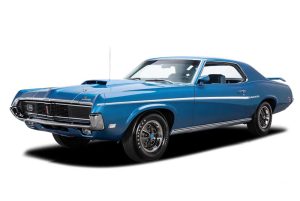

Ford Mustang: Driving Through Time with an American Icon
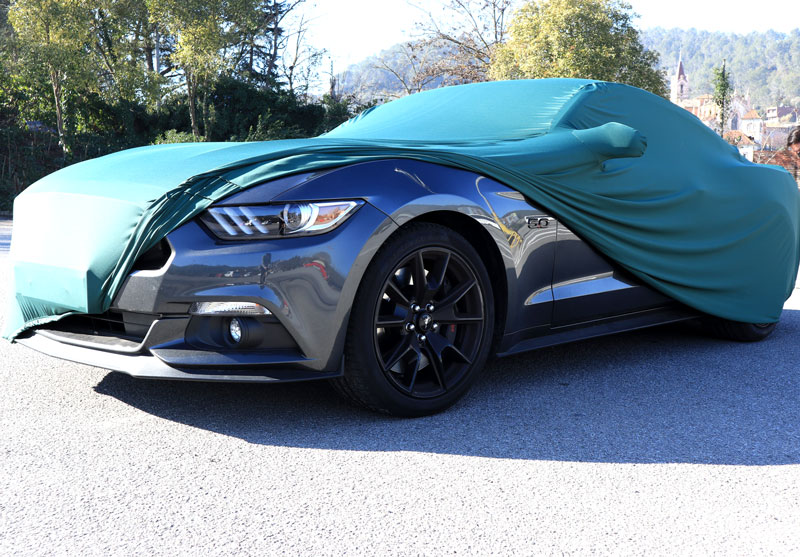
Ford Mustang at Life in Classic
Few cars have shaped automotive culture as profoundly as the Ford Mustang. Since its debut in the mid-1960s, the Mustang has represented freedom, performance, and accessible style. More than just a sports car, it became a cultural phenomenon, influencing generations of drivers and redefining what an American performance car could be.
From its early days as a compact, sporty coupe to its current status as a global performance icon, the Mustang’s story is one of constant evolution anchored by a remarkably consistent identity.
The Birth of a Legend
The Ford Mustang was officially introduced in April 1964 at the New York World’s Fair. Ford’s objective was clear: create an affordable, sporty car that appealed to younger buyers without alienating more traditional customers. Built using components from existing Ford models, the Mustang offered a compelling mix of style, performance, and value.
The response was immediate and overwhelming. In its first year alone, Ford sold more than 400,000 Mustangs, far exceeding expectations. The long hood, short rear deck, and aggressive stance gave the car a sense of motion even when standing still. The Mustang had struck a chord, and an entirely new segment—the “pony car”—was born.
Performance and Expansion in the 1960s
As demand grew, Ford quickly expanded the Mustang lineup. Throughout the late 1960s, buyers could choose from a wide range of body styles, trims, and engines. From practical six-cylinder models to high-performance V8 variants, the Mustang offered something for nearly every type of driver.
Performance-focused versions such as the Mustang GT gained popularity, while racing-inspired models like the Boss 302 and Boss 429 were developed to meet homologation requirements for motorsport. These models elevated the Mustang’s reputation from stylish cruiser to serious performance machine.
The late 1960s are often considered the golden era of the Mustang, defined by raw power, bold styling, and strong motorsport connections. Today, many of these early models are among the most desirable and valuable Mustangs ever produced.
Adapting to a Changing Market
The early 1970s brought challenges that reshaped the automotive industry. Rising fuel prices, stricter emissions regulations, and changing consumer preferences forced manufacturers to rethink their strategies. The Mustang responded by growing larger initially and then, in 1979, undergoing a major transformation.
With the introduction of the Fox-body Mustang, Ford shifted toward a smaller, lighter, and more fuel-efficient platform. While controversial among purists at the time, the Fox-body era ultimately became one of the longest and most influential chapters in Mustang history. Its adaptability made it a favourite for both everyday driving and performance modification.
Modernisation and Renewed Identity
In the 1990s, Ford once again reinvented the Mustang. Advances in aerodynamics, safety, and engine technology led to a more refined and modern car, while designers worked to retain visual cues that linked the new models to their predecessors.
During this period, V8 power returned to prominence, with some models producing well over 300 horsepower. The Mustang balanced modern comfort and technology with traditional rear-wheel-drive performance, reinforcing its position as a uniquely American sports car.
The introduction of retro-inspired styling in the mid-2000s marked another turning point. By drawing heavily from the design language of the original 1960s Mustangs, Ford successfully reconnected the car with its heritage while incorporating contemporary engineering and safety standards.
The Mustang Today
In recent years, the Mustang has continued to evolve, embracing global markets and advanced technology. Modern Mustangs offer a wide range of powertrains, from efficient turbocharged engines to high-performance V8s capable of track-level performance.
Despite these changes, the Mustang has remained true to its core identity. It is still recognisable, still aspirational, and still accessible. This continuity is a key reason why the Mustang remains one of the most popular sports cars in the world and an enduring symbol of American automotive culture.
Caring for a Classic Ford Mustang
Owning a classic Mustang is both a privilege and a responsibility. Proper care not only preserves the car’s appearance and performance but also plays a critical role in maintaining its long-term value.
Regular maintenance is the foundation of responsible ownership. Routine oil changes, fluid inspections, and mechanical checks help prevent small issues from becoming costly repairs. Preventive maintenance is especially important for classic Mustangs, where originality and condition are closely tied to value.
Storage conditions matter greatly. A classic Mustang should be kept in a dry, cool, and well-ventilated environment. Exposure to moisture, extreme temperatures, and direct sunlight can accelerate deterioration of paint, chrome, rubber, and interior materials. Long periods of inactivity can also affect tires, making the use of tire protection supports advisable to avoid flat spots.
Cleaning and paint protection are equally important. Regular washing removes contaminants that can damage paint over time, while periodic waxing helps preserve the finish and protect against environmental exposure. Harsh chemicals should be avoided, particularly on older paintwork.
Interior preservation should not be overlooked. Seat covers, floor mats, and careful storage help prevent fading, cracking, and wear. Original interiors are highly valued by collectors, making their preservation a priority.
Whenever possible, maintaining original parts and specifications contributes significantly to a Mustang’s authenticity and desirability. While modifications can enhance performance, originality often carries greater long-term value, especially for early models.
Professional expertise can be invaluable. Classic Mustangs benefit from mechanics and restorers who understand period-correct components and techniques. Joining a Mustang owners’ club can also provide access to knowledge, resources, and a supportive community of enthusiasts.
Car Covers for 1960s Ford Mustang
Protection during storage plays a decisive role in preserving a classic Mustang. Even when stored indoors, dust, accidental contact, and moisture can cause gradual damage over time.
A well-fitted car cover designed specifically for 1960s Mustangs offers an effective barrier against these risks. Custom-fit covers follow the car’s contours closely, reducing movement and preventing abrasion. Breathable materials are essential, allowing moisture to escape and reducing the risk of condensation.
For indoor storage, a lightweight, soft-lined car cover protects paint and trim from dust and minor impacts. In environments where humidity or temperature fluctuations are present, a high-quality breathable cover helps stabilise conditions around the vehicle.
Thoughtful preventive care, combined with appropriate storage protection, can significantly influence a Mustang’s long-term condition and value.
Preserving Value Through Care
A consistent preventive maintenance program is one of the most effective ways to protect a Mustang’s value. Well-documented service history, careful storage, and sympathetic use help maintain authenticity and mechanical integrity.
This is particularly true for classic Mustangs, which continue to attract strong interest from collectors worldwide. Cars that remain close to original condition, supported by careful ownership, tend to perform best over time.
Ultimately, caring for a Mustang is about more than preservation. It is about respecting a car that represents decades of automotive history and ensuring it can be enjoyed by future generations.
Conclusion
The Ford Mustang is more than a sports car. It is a symbol of innovation, freedom, and enduring design. From its explosive debut in the 1960s to its modern reinterpretations, the Mustang has remained relevant by evolving without losing its soul.
For owners and enthusiasts, proper maintenance, careful storage, and thoughtful protection are essential to preserving both the driving experience and the car’s historical value. With the right approach, a Mustang is not just a car to be driven, but a legacy to be preserved.