
Ford Retires F-150 Lightning, Bets on Hybrids
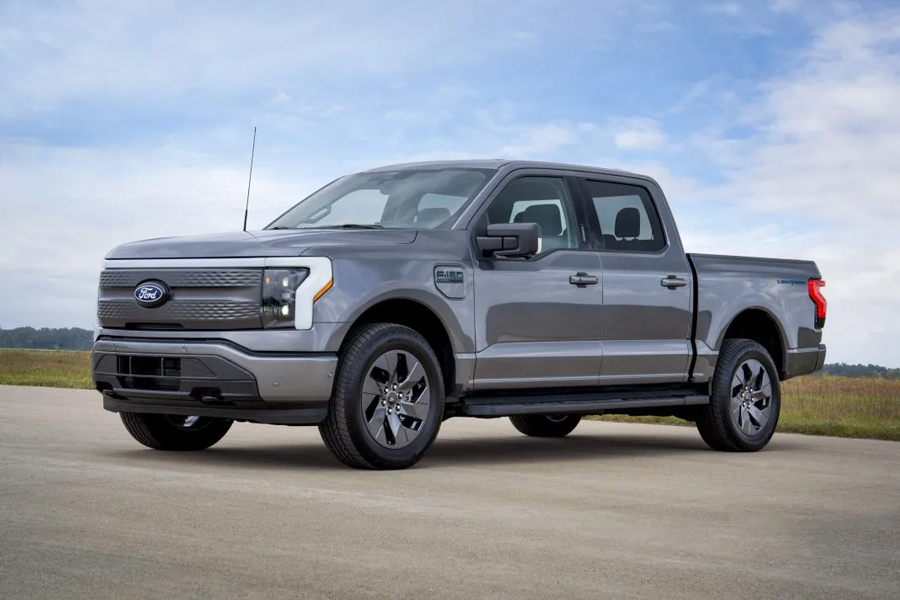
Ford F150 Electric - Life in Classic
Ford Ends Pure-Electric Lightning Program
Ford Motor Company ended production of the all-electric F-150 Lightning in December 2025, fewer than four years after launch. The move closes an ambitious chapter for Ford’s push into full-size electric pickups and reflects a fast-changing U.S. vehicle market. Executives framed the decision as a strategic reset rather than a retreat from electrification. Yet the action clearly signals a recalibration of how and when consumers will adopt battery-powered trucks. Demand did not match the company’s early expectations, even as the Lightning led its segment at times. Therefore, Ford will redirect investment toward products that promise steadier returns and broader appeal. The company emphasized that customers still want electrification, but with more flexibility and better value. As a result, Ford chose a different technical path for its flagship truck line. The Lightning name will live on, though in a new form.
Why Ford Pulled the Plug
Financial pressure drove much of the decision. Since 2023, Ford’s Model e unit reported losses topping $13 billion. The company said it lost more than $50,000 on each electric vehicle sold, a figure it deemed unsustainable. Moreover, Ford plans a $19.5 billion write-down as it resets its roadmap. Sales also fell short of earlier targets. Lightning deliveries peaked below 40,000 units a year, far from the 150,000 goal. Pricing hurt momentum as well. While Ford initially promoted a $40,000 entry point, 2025 models listed between $55,000 and $87,000. Towing range further complicated the value case for core truck buyers. Under heavy load, real-world range often dropped by half, according to owners. In addition, Ford cited evolving federal rules under the Trump administration, including looser emissions standards and the end of EV tax credits. Together, these forces reshaped the business case for a battery-only Lightning.
A New Path: Lightning Goes Extended-Range
Ford will keep the Lightning badge by reimagining the truck as an Extended-Range Electric Vehicle. In this setup, electric motors drive the wheels while a gasoline generator recharges the battery on the move. The design aims to blend electric performance with long-distance confidence and faster refueling opportunities. Ford expects the next Lightning to deliver more than 700 miles of total range. It also targets stronger towing consistency than the outgoing battery-only model. For many pickup owners, that promise may better align with daily work and travel needs. Importantly, the company will build the EREV Lightning at the Rouge Electric Vehicle Center in Dearborn, Michigan. That continuity preserves manufacturing jobs and existing know-how. It also simplifies the shift from one technology path to another. In short, Ford hopes the hybridized layout will expand the truck’s audience while reducing financial risk.
Recasting the Portfolio and Plants
The Lightning pivot is part of a broader $20 billion shift toward gasoline and hybrid technologies across Ford’s lineup. The company is redirecting capital toward offerings with proven margins and stable demand. Blue Oval City in Tennessee, once slated for next-generation EVs, will now operate as the Tennessee Truck Plant. There, Ford plans to build affordable gas-powered trucks starting in 2029. Hybrids and EREVs will increasingly fill the space between traditional combustion and full battery electric options. “The operating reality has changed, and we are redeploying capital into higher-return growth opportunities: Ford Pro, our market-leading trucks and vans, hybrids and high-margin opportunities like our new battery energy storage business,” said Ford president and CEO Jim Farley. By 2030, Ford targets half of its global volume to be hybrids, EREVs, and EVs. The emphasis will be on hybridizing nearly every nameplate.
What It Means for Buyers and the Market
For customers, the near-term impact is clear. New 2025 F-150 Lightning inventory will remain at dealerships through mid-2026. Shoppers who still want a pure-electric truck will have time to find one. Meanwhile, buyers who need range flexibility and dependable towing may wait for the EREV version. That model aims to reduce charging anxiety while keeping electric torque and smoothness. For the wider market, Ford’s pivot underscores a maturing view of electrification. Consumers continue to value efficiency and lower running costs. However, they also want predictable ownership experiences, especially for work trucks. As infrastructure builds out and battery costs evolve, full EVs will remain part of the mix. Yet hybrids and EREVs could carry more of the load in the interim. Ultimately, Ford is betting that diversified powertrains will bring more drivers into the electrified era, step by step.