
Land Rover Defender: From Origins to Icon, and How to Preserve Its Value
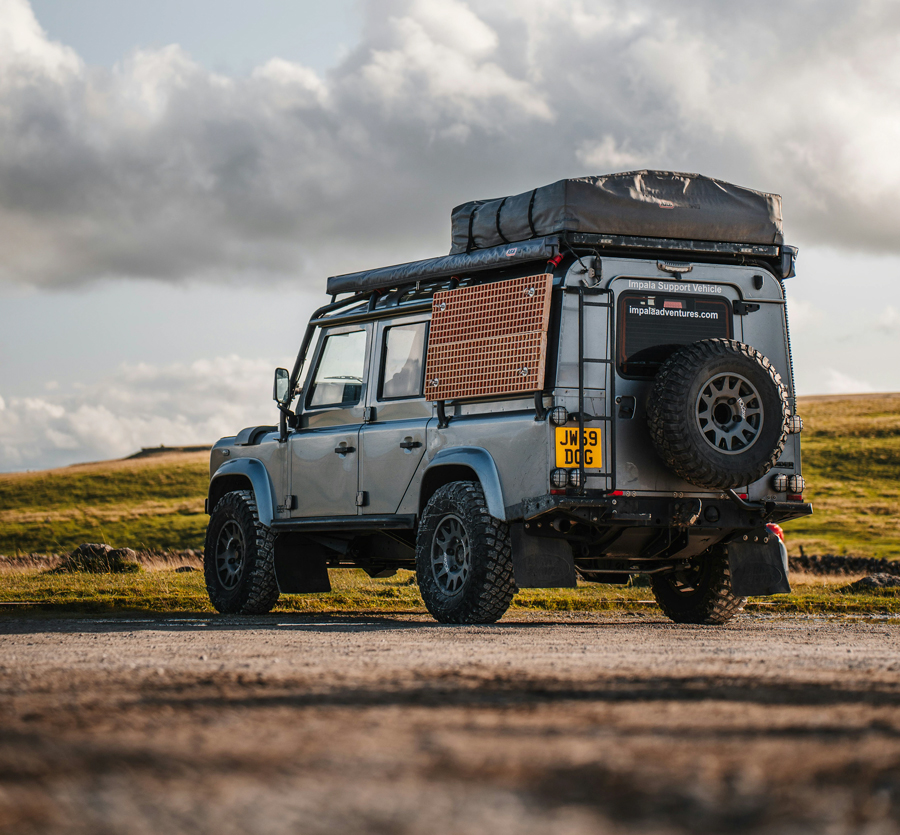
Land rover Defender at Life in Classic
Few vehicles are as closely associated with adventure, durability, and exploration as the Land Rover Defender. Born out of post-war necessity and shaped by decades of real-world use, the Defender has evolved from a utilitarian workhorse into one of the most recognisable automotive icons in the world. Its history is not only the story of a vehicle, but also of changing lifestyles, technology, and the enduring appeal of purposeful design.
Today, both classic and modern Defenders enjoy strong demand, with well-preserved examples increasingly regarded as valuable long-term assets.
The Origins of Land Rover
Land Rover was established in 1948 by Maurice Wilks, then chief designer at the Rover Company. Inspired by the rugged American Jeep used extensively during World War II, Wilks envisioned a versatile, four-wheel-drive vehicle capable of serving farmers, engineers, and explorers alike.
The first Land Rover prototype was built on a Jeep chassis and designed to be simple, robust, and adaptable. When the production model was unveiled at the Amsterdam Motor Show in 1948, it was an immediate success. Its aluminium body panels, chosen due to post-war steel shortages, proved resistant to corrosion and became a defining feature of early Land Rovers.
From the outset, Land Rover vehicles were designed as tools rather than luxury products. This focus on function established the brand’s reputation for reliability and toughness, qualities that would define its identity for decades.
The Evolution Toward the Defender
For decades, Land Rover refined its original concept through the Series I, II, and III models. These vehicles were used worldwide in agriculture, military service, emergency response, and exploration, earning a reputation for dependability in the harshest environments.
In 1983, Land Rover introduced the Defender name to distinguish its traditional off-road vehicles from newer, more comfort-oriented models. The Defender retained the classic ladder-frame construction and permanent four-wheel drive while benefiting from incremental improvements in powertrains, interiors, and safety.
The Defender quickly became synonymous with ruggedness and versatility. It was adopted by adventurers, aid organisations, armed forces, and even the British royal family. Few vehicles could claim such a diverse range of users across continents and industries.
The Defender Legacy
Produced for more than 30 years, the original Defender remained remarkably faithful to its roots. While minor updates were introduced over time, the core design philosophy remained unchanged. This consistency played a major role in building the Defender’s cult following.
By the mid-2010s, however, tightening emissions regulations and modern safety requirements made continued production of the classic Defender increasingly difficult. In 2016, Land Rover announced the end of production, marking the close of an era and triggering a surge in demand for existing vehicles.
The Return of the Defender
In 2019, Land Rover unveiled an all-new Defender. Rather than replicating the original, the new model reinterpreted the Defender concept for the modern age. Advanced materials, independent suspension, and sophisticated electronics transformed it into a highly capable yet refined SUV.
The new Defender offers a range of petrol, diesel, and plug-in hybrid powertrains, along with advanced off-road technology. Features such as adjustable air suspension, terrain response systems, and impressive approach and departure angles allow it to tackle challenging terrain with confidence.
Inside, modern infotainment, driver assistance systems, and improved comfort make it suitable for daily use. While different in character from its predecessor, the new Defender has been widely praised for preserving the spirit of the original while embracing modern expectations.
Classic Land Rover Defender as a Collector Vehicle
Classic Land Rover Defenders have become highly desirable among collectors and enthusiasts. Values vary significantly depending on age, specification, originality, and condition.
Early Series I, II, and III models are especially sought after due to their historical significance and rarity. Defenders from the 1980s and 1990s are also highly valued, often regarded as the most robust and mechanically straightforward examples.
Originality plays a crucial role in valuation. Vehicles that retain factory specifications, original components, and documented histories tend to command the strongest prices. Conversely, heavily modified or poorly restored examples often struggle to achieve similar value.
In recent years, auction prices for well-preserved Defenders have risen sharply. As supply diminishes and global demand continues to grow, classic Defenders are increasingly viewed as long-term collectible assets rather than purely utilitarian vehicles.
Maintaining and Preserving Defender Value
Preserving the value of a classic Land Rover Defender requires consistent care and thoughtful ownership. Preventive maintenance is essential, particularly for vehicles designed to operate in demanding conditions.
Regular servicing helps maintain mechanical integrity. Oil changes, drivetrain inspections, and attention to suspension and braking systems prevent minor issues from becoming major repairs. Addressing corrosion early is especially important, even on aluminium-bodied vehicles, as steel chassis components remain vulnerable.
Proper storage plays a key role in long-term preservation. Ideally, a Defender should be kept in a dry, sheltered environment to reduce exposure to moisture and UV radiation. Extended periods of inactivity can affect tires, making the use of tire cushions advisable to prevent flat-spotting and uneven wear.
A high-quality car cover for Land Rover Defender provides additional protection, particularly when garage storage is unavailable. Breathable covers help shield the vehicle from sun, wind, rain, and airborne debris while allowing moisture to escape, reducing the risk of corrosion.
Regular cleaning also contributes to value preservation. Washing removes contaminants that can damage paint and metal surfaces, while interior care helps maintain upholstery, dashboards, and trim. Periodic professional detailing can further enhance appearance and longevity.
Using original Land Rover parts whenever possible is strongly recommended. Authentic components help maintain mechanical compatibility and historical accuracy, both of which are important to collectors. Aftermarket parts may offer short-term savings but can negatively impact long-term value.
Defender Ownership Today
Owning a Land Rover Defender today is about more than transportation. It represents a connection to a tradition of exploration, engineering simplicity, and purposeful design. Whether classic or modern, the Defender continues to appeal to those who value authenticity and capability.
As interest in utilitarian classics grows, the Defender’s reputation as a durable, characterful vehicle positions it strongly within the collector market. With careful maintenance, proper storage, and thoughtful protection, a Defender can remain both a functional vehicle and a valuable asset.
Conclusion
The Land Rover Defender’s journey from post-war necessity to global icon is unmatched in automotive history. Its enduring design, real-world capability, and cultural significance have ensured its place among the most respected vehicles ever produced.
By preserving originality, maintaining mechanical health, and protecting the vehicle from environmental damage, owners can help ensure that their Defender retains its value and character for years to come. Few vehicles reward careful stewardship quite like the Land Rover Defender.