
Porsche 997: Performance, Heritage, and the Making of a Modern Classic
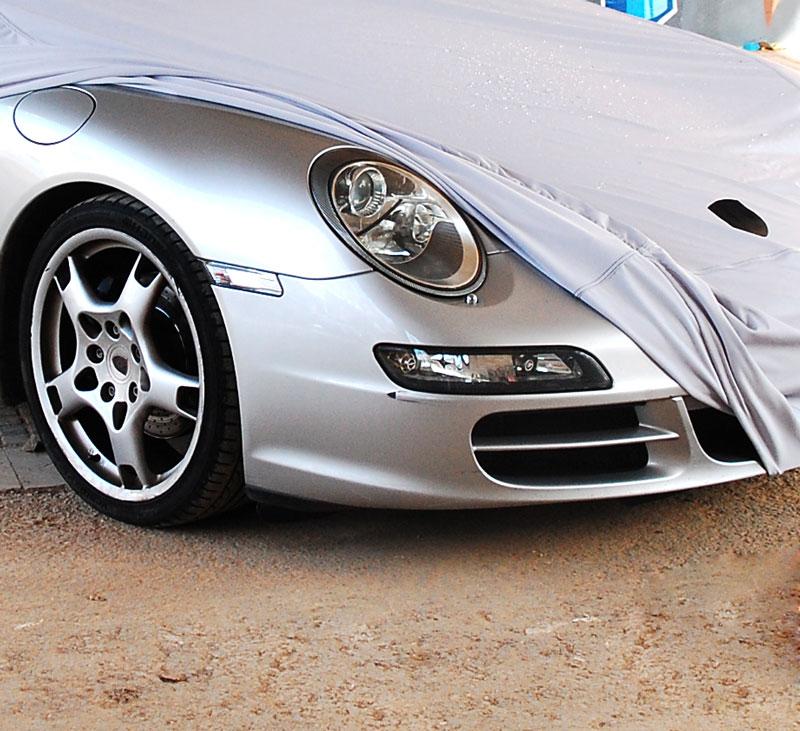
Porsche 997 at Life in Classic
Few cars have managed to balance tradition and innovation as successfully as the Porsche 911. Since its introduction in the early 1960s, the 911 has remained instantly recognisable, evolving technically while preserving a silhouette and driving philosophy unlike any other sports car. Within this long lineage, the Porsche 997 occupies a particularly important place, often regarded as the bridge between classic Porsche values and the modern era.
Produced between 2004 and 2012, the 997 marked a return to form for the 911 and has since become one of the most appreciated generations among enthusiasts and collectors.
The Porsche 911 Legacy
The Porsche 911 was introduced in 1963 as the successor to the Porsche 356. From the outset, it was conceived as a more powerful, refined, and versatile sports car. Its rear-engine layout, air-cooled flat-six engine, and distinctive roofline quickly set it apart from its competitors.
Over the decades, the 911 evolved continuously. Power increased, safety improved, and comfort levels rose, yet Porsche remained faithful to the original concept. The 911 proved equally capable as a daily road car and a motorsport weapon, achieving success on circuits and rally stages around the world.
A major turning point came in the late 1990s with the introduction of water-cooled engines in the 996 generation. While technically advanced, the 996 divided opinion among purists, particularly due to its styling and departure from traditional design cues.
The Arrival of the Porsche 997
Introduced in 2004, the Porsche 997 was Porsche’s response to those criticisms. While retaining the water-cooled platform, the 997 reintroduced classic styling elements that reconnected the 911 with its heritage. Rounded headlights, cleaner body lines, and a more refined interior helped restore the emotional appeal many enthusiasts felt had been lost.
The 997 was offered in both coupé and cabriolet forms and across a wide range of configurations. Naturally aspirated flat-six engines ranged from 3.6 to 3.8 litres, delivering strong performance combined with everyday usability. Turbocharged variants pushed power significantly higher, while maintaining remarkable drivability.
The breadth of the 997 lineup was one of its greatest strengths. Buyers could choose anything from a refined Carrera suitable for daily driving to highly focused performance models designed with the track in mind.
Performance Icons: GT3 and Turbo
Among the most celebrated versions of the 997 are the 911 GT3 and 911 Turbo. These models elevated the generation’s reputation and cemented its status as a modern classic.
The 997 GT3 became a benchmark for naturally aspirated performance. With motorsport-derived engineering, razor-sharp handling, and a high-revving flat-six engine, it delivered an uncompromising driving experience. For many enthusiasts, the GT3 represents the purest expression of the 911 formula.
The 997 Turbo offered a different interpretation of performance. Combining everyday comfort with immense power, it showcased Porsche’s ability to blend refinement with extreme capability. Its all-wheel-drive system and turbocharged engine made it both devastatingly fast and surprisingly usable in all conditions.
These models played a significant role in reinforcing Porsche’s reputation for engineering excellence during the 2000s.
End of Production and Transition to the 991
The Porsche 997 remained in production until 2012, enjoying an eight-year lifecycle marked by continuous refinement. Late-production models benefited from updated infotainment systems, improved suspension setups, and enhanced engine technology.
Eventually, the 997 was replaced by the Porsche 991, which introduced a new platform and a larger footprint. While the 991 brought further technological advances, many enthusiasts regard the 997 as the last 911 of a more compact, analog era.
As a result, interest in the 997 has steadily increased. Today, it is widely viewed as one of the most balanced 911 generations, combining classic proportions with modern reliability.
Caring for a Porsche 997
Preserving a Porsche 997 requires thoughtful maintenance and careful storage. While more modern than earlier air-cooled models, the 997 still benefits from an ownership approach rooted in preventive care.
Regular maintenance is essential. Scheduled oil changes, inspections, and servicing by Porsche specialists help ensure mechanical reliability and long-term performance. Maintaining a documented service history is particularly important for protecting the car’s value.
Proper storage plays a critical role as well. A Porsche 997 should ideally be kept in a dry, climate-controlled environment to protect it from moisture and temperature fluctuations. Corrosion, while less common than on older cars, can still occur if conditions are poor.
Tire care is often overlooked but highly important. When a car remains stationary for extended periods, flat-spotting can occur as the tire structure compresses under the vehicle’s weight. Using dedicated tire protection mats helps distribute weight evenly and preserve tire shape during storage.
Protecting the exterior finish is another key aspect of care. The paintwork on a Porsche 997 is both a visual and financial asset. Regular washing, gentle detailing, and periodic waxing help protect the surface from environmental contaminants. When the car is not in use, especially outdoors or in shared garages, a high-quality car cover adds an extra layer of protection against dust, debris, and accidental contact.
Using premium maintenance products designed for high-performance vehicles ensures compatibility with Porsche’s materials and finishes. Inferior products can cause micro-scratches or long-term damage.
Preserving originality is also important. While tasteful, manufacturer-approved upgrades may be acceptable, extensive modifications can negatively impact long-term value. Collectors generally favour cars that remain close to factory specification.
The Porsche 997 as a Modern Classic
The Porsche 997 occupies a unique position in the 911 timeline. It represents a return to traditional Porsche aesthetics while benefiting from modern engineering and usability. This balance has made it increasingly desirable among both drivers and collectors.
As air-cooled models continue to rise in value, attention has naturally shifted to the most characterful water-cooled generations. The 997 stands out as one of the strongest candidates for long-term appreciation, particularly well-maintained examples with clear provenance.
Conclusion
The Porsche 997 is more than just a chapter in the 911 story. It is a defining generation that successfully reunited heritage and progress. With its timeless design, engaging driving dynamics, and strong motorsport connections, it has earned its place among the most respected modern classics.
Through regular maintenance, careful storage, and thoughtful protection, owners can preserve both the performance and value of their Porsche 997. Treated with care, it remains not only a rewarding car to drive but also a lasting expression of Porsche’s engineering philosophy.