
How the Mini Became a Cultural Icon (Not Just a Car)
How the classic Mini became an icon - Life in Classic
The classic Mini cultural icon did not emerge from a design studio obsessed with image or prestige. Instead, it was born from necessity, practicality, and an unusually clear understanding of how people actually lived. That clarity explains why the Mini became more than a car — it became a reference point for modern culture.
Unlike many vehicles that gained cultural status retrospectively, the Mini entered society already aligned with its time. It did not ask to be admired. It asked to be used.
A Practical Solution That Spoke to Society
Post-war Britain valued efficiency, restraint, and common sense. Against that backdrop, the Mini made immediate sense. It offered real mobility without excess, intelligence without arrogance.
Because the Mini solved real problems — space, fuel consumption, affordability — it resonated far beyond engineering circles. As a result, it quickly embedded itself into everyday life.
This connection with reality is central to understanding why the classic Mini cultural icon status developed so naturally.
The Mini and the Rise of Modern British Identity
As Britain entered the 1960s, culture shifted rapidly. Music, fashion, and art embraced youth, experimentation, and freedom. Crucially, the Mini already embodied those values visually and philosophically.
The car’s proportions felt informal and confident. Its presence felt human rather than institutional. Therefore, when the Mini appeared alongside musicians, designers, and artists, it felt authentic.
Rather than symbolising authority, the Mini symbolised participation.
From Transport to Personal Expression
One reason the Mini became a cultural icon lies in its openness to personalisation. Owners modified their cars freely, turning them into extensions of identity.
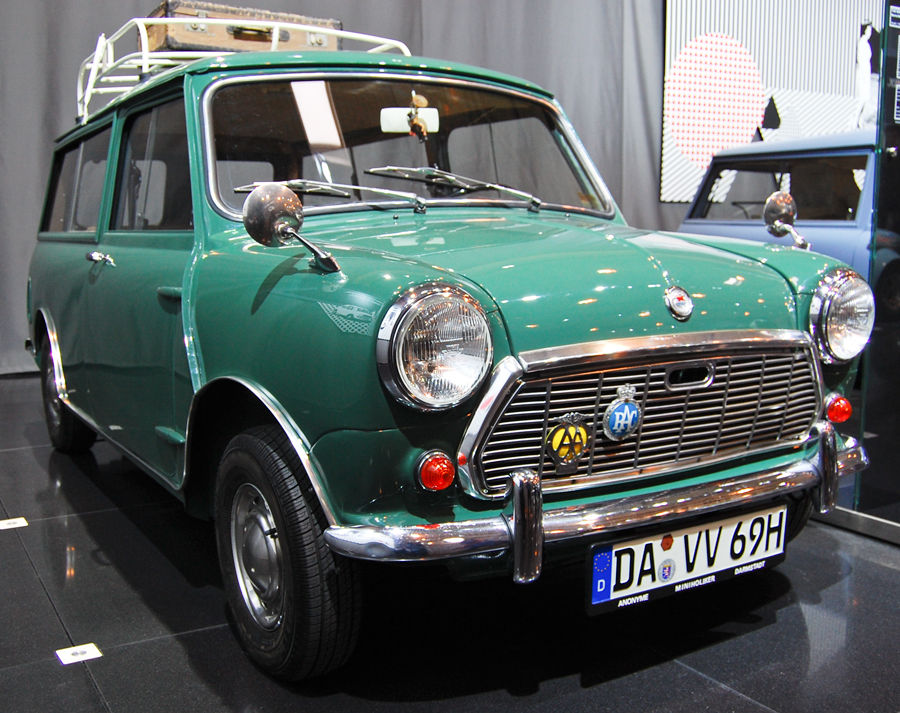
Stripes, mirrors, interiors, luggage racks — none of this felt excessive. Instead, the Mini encouraged involvement. Consequently, ownership became creative rather than transactional.
This quality distinguishes the Mini from many other iconic cars. It did not impose an image. It absorbed one.
Celebrity Adoption Without Distance
Many vehicles gain cultural capital through celebrity ownership. However, the Mini’s relationship with fame worked differently.
When public figures drove Minis, the car did not elevate them. Instead, it grounded them. The Mini reinforced approachability, taste, and cultural awareness rather than wealth.
Because of this, the Mini avoided becoming aspirational in a hollow sense. It remained relatable, even as it became famous.
Cinema, Storytelling, and the Mini Myth
Film played a decisive role in reinforcing the Mini’s cultural position. On screen, the Mini consistently represented cleverness, agility, and irreverence.
Rather than serving as a passive prop, the Mini often acted as a narrative device. It moved stories forward. It solved problems. It escaped situations larger cars could not.
As a result, the Mini became shorthand for intelligence over force — a theme that audiences instinctively understood.
Motorsport Reinforced the Message
The Mini’s motorsport success did more than add trophies. It validated the car’s philosophy publicly.
When the Mini won rallies against larger competitors, it confirmed what owners already felt: good design beats excess. Importantly, these victories felt earned, not manufactured.
Therefore, motorsport amplified the Mini’s cultural credibility rather than distancing it from everyday life.
You can explore this further in our related article on [How the Mini Conquered Monte Carlo].
Design Honesty and Lasting Relevance
Design honesty underpins the classic Mini cultural icon status. Every element served a function. Nothing pretended to be more than it was.
Because of this, the Mini aged remarkably well. Even today, its proportions feel balanced. Its simplicity feels intentional rather than dated.
In contrast, many cars of the same era now feel overstated. The Mini feels calm.
Why the Mini Still Fits Modern Life
Urbanisation, congestion, and environmental awareness have returned relevance to the Mini’s original philosophy. Once again, smaller, smarter solutions feel appropriate.
The Mini anticipated this shift decades ago. Consequently, it continues to appear not as a nostalgic object, but as a usable one.
This ongoing relevance separates cultural icons from historical artefacts.
More Than a Car, a Cultural Reference
Today, the classic Mini cultural icon appears in design education, branding discussions, and urban mobility debates. It demonstrates how constraints can inspire creativity rather than limit it.
The Mini did not dictate culture. Instead, it listened carefully and responded intelligently.
That responsiveness explains its endurance.
The Quiet Power of Resonance
The Mini never demanded attention. Instead, it earned affection. Over time, affection proved stronger than admiration.
By serving people well, by respecting their realities, and by remaining honest, the Mini secured a permanent place in cultural memory.
The classic Mini cultural icon status is not accidental. It is the result of relevance, humility, and clarity.
And that is why the Mini remains unforgettable.