
Classic Cars Perfect for Summer Weekend Getaways
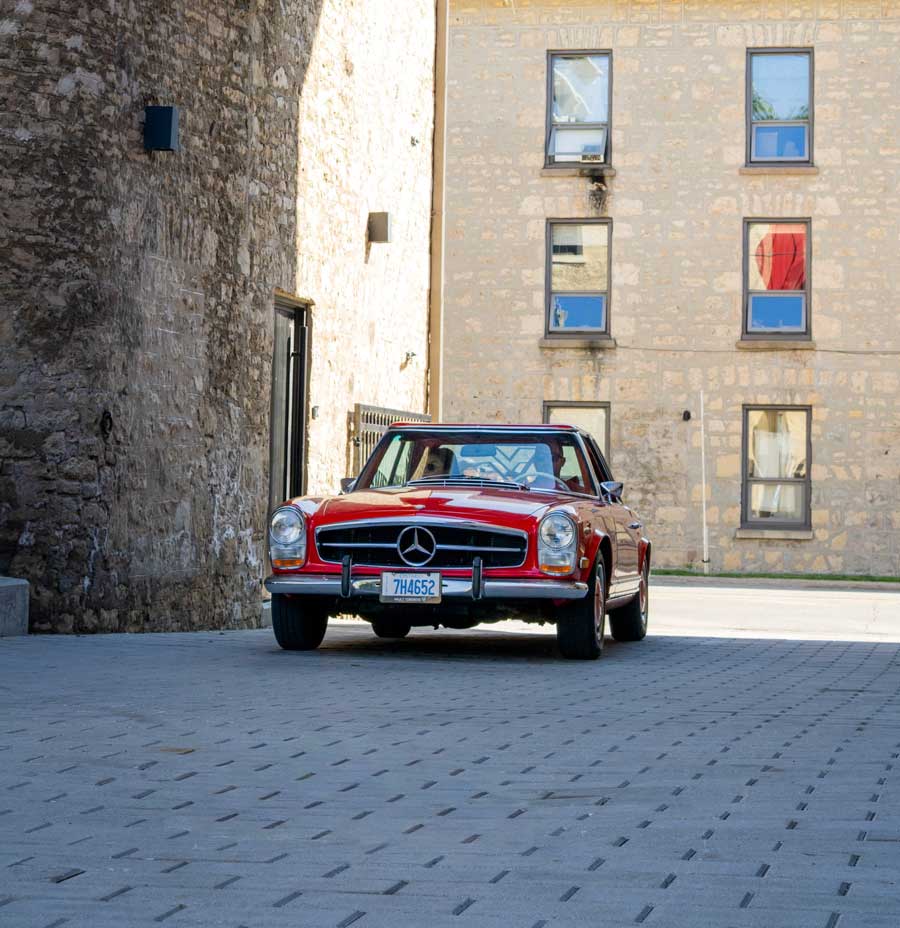
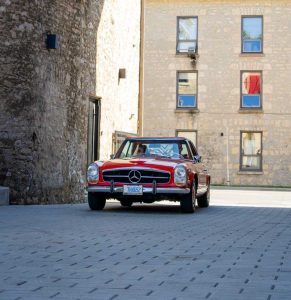
Mercedes Benz 280SL at Life in Classic
How to Pick the Right Summer Classic
The best weekend getaway car blends reliability, useful cargo space, and undeniable charisma. It should start easily, cruise calmly, and look the part when you reach the coast or the mountains. For decades, enthusiast marketplaces have helped drivers match those dreams with real cars they can trust. Whether you want a drop-top for ocean breezes, a rugged 4×4 for trailheads, or a long-distance grand tourer, you have choices. However, the search works best when you set a budget, define your priorities, and inspect before you buy. Moreover, aim for proven mechanicals, recent maintenance, and clear documentation. Therefore, you can focus on the road, not on roadside drama, when the first summer miles roll by.
Open-Air Elegance: Mercedes 280SL and Lincoln Continental
First, consider the 1968–1972 Mercedes-Benz 280SL, the beloved “Pagoda.” Its crisp lines hide a robust chassis and a smooth inline-six that loves highway miles. With both a folding soft top and a removable hardtop, it adapts when coastal fog turns to sun. Additionally, precise steering and confident brakes make long stretches feel stress-free. As a result, you arrive refreshed, not rattled, while the car’s values tend to hold steady.
Meanwhile, the 1965–1968 Lincoln Continental Convertible offers another flavor of open-air luxury. Four doors and dramatic rear-hinged “suicide” doors make every stop an event. Furthermore, a big American V8 delivers quiet thrust, and the ride glides over interstate seams. There is room for friends, luggage, and even a cooler for roadside picnics. Consequently, this icon turns a weekend into an elegant procession, mile after mile.
Muscle and Agility: Corvette Convertible and Porsche 911
Next, the 1965–1970 Chevrolet Corvette Convertible mixes classic style with real bite. The soundtrack from a small-block or big-block V8 elevates any summer afternoon. Because the aftermarket is vast, belts, hoses, and tune-up parts are easy to source on the road. Also, well-documented examples tend to hold their own and inspire confidence. Consequently, a winding backroad becomes your stage, with light steering and instant torque on tap.
Likewise, the 1980–1989 Porsche 911 Carrera rewards drivers who crave agility. The air-cooled flat-six feels alive, and the rear-engine layout gives tenacious traction. Moreover, the front trunk swallows two weekend bags with ease, which keeps packing simple. Fuel injection and careful upkeep make hot traffic far less daunting. Still, the car delivers a pure, analog link between your hands and the asphalt. Therefore, every corner feels purposeful, and every climb becomes a reason to keep driving.
Go-Anywhere Freedom: International Scout II and Volkswagen Type 2
For explorers, the 1973–1979 International Scout II turns summer into a choose-your-own-route adventure. Removable tops open the cabin to sky and stars at the campsite. Beyond pavement, sturdy axles and torquey engines carry canoes, bikes, and camping gear. In addition, simple mechanicals mean local shops can usually help if needed. As a result, you can chase fire roads or seaside dunes without second-guessing the path.
Meanwhile, the 1968–1972 Volkswagen Type 2 invites a slower rhythm. It asks you to savor the journey, not just the destination. Above all, the roomy interior can double as a picnic nook or a simple camper. Community support is strong, and parts remain accessible for routine needs. Furthermore, the view from the big windshield turns every mile into a postcard. Consequently, families and surf crews love the bus for unhurried weekends that stretch into memories.
From Shortlist to Starting Line
Once you have narrowed the field, move from romance to evidence. A polished photograph can hide rust, neglected mechanicals, and years of deferred maintenance. Therefore, arrange a pre-purchase inspection with a specialist who understands the model. General condition matters, but each classic has its own vulnerable areas. A Mercedes Pagoda may require careful examination of its body structure and fuel-injection system, while an older 911 deserves attention around oil leaks, head studs, and previous accident repairs.
Documentation can be just as valuable as shiny paint. Look for service invoices, ownership history, restoration photographs, and records of recent work. A thick folder does not guarantee a perfect car, yet it helps reveal how previous owners approached maintenance. Moreover, matching identification numbers and original specifications may support long-term desirability. For a summer getaway car, however, usability should usually matter more than absolute originality.
A well-maintained driver can make more sense than a concours example. You will worry less about stone chips, crowded parking areas, and sudden rain. More importantly, the car will probably have already received the practical upgrades that make touring easier. Electronic ignition, improved cooling, modern radial tires, upgraded lighting, and discreet USB charging can enhance reliability without erasing the classic experience.
Prepare the Car Before the Trip
Even a recently purchased classic needs a careful shakedown before its first serious journey. Begin with several short local drives, then increase the distance gradually. This process allows heat-related problems, fluid leaks, charging issues, and unusual noises to appear close to home. Consequently, you can address small faults before they interrupt a long-awaited weekend.
Cooling systems deserve particular attention during summer. Inspect the radiator, hoses, water pump, thermostat, and fan operation. Old rubber components may look acceptable while hiding internal deterioration. Likewise, check the battery, alternator or generator output, fuel lines, brake fluid, and tire age. A tire with plenty of tread can still be unsafe if the rubber has hardened after years of limited use.
Pack a modest tool kit suited to the car, along with spare fuses, bulbs, belts, and basic fluids. A printed workshop manual or model-specific reference can also help a local mechanic understand an unfamiliar system. Furthermore, membership in a roadside assistance program that covers classic vehicles can turn a potential disaster into a manageable delay.
Plan for the Car You Choose
The right route should suit the vehicle as well as the driver. A Corvette or Porsche will come alive on flowing mountain roads, while a Lincoln Continental feels more natural on broad highways and relaxed coastal boulevards. A Volkswagen Bus rewards patience and scenic stops. Meanwhile, a Scout II encourages detours toward campsites, lakes, and unpaved viewpoints.
Avoid building an itinerary around modern-car average speeds. Classics often need more frequent fuel stops, rest periods, and inspections. They may also lack effective air conditioning, advanced ventilation, or the sound insulation expected today. Therefore, leave early, travel outside the hottest hours, and allow enough time to stop without pressure. The journey should feel like part of the holiday rather than an obstacle between destinations.
Comfort also deserves consideration. Before buying, spend enough time behind the wheel to evaluate seating position, pedal placement, steering effort, and cabin heat. A car that feels charming during a ten-minute test drive may become exhausting after three hours. Similarly, confirm that your usual luggage fits without blocking visibility or creating loose cargo inside the cabin.
The Best Classic Is the One You Use
A summer classic does not need to be the rarest, fastest, or most valuable car at the hotel. It needs to suit the way you genuinely travel. Couples may prefer the intimacy of a two-seat roadster, while families will appreciate the generous cabin of a Continental or Volkswagen Bus. Drivers heading into remote areas may value simplicity and ground clearance more than speed.
Ultimately, the strongest choice balances emotion with preparation. Buy the best-maintained example you can reasonably afford, understand its limitations, and complete essential work before departure. Then resist the temptation to preserve it as a motionless investment.
These cars were created to connect places, people, and experiences. With the roof down, the windows open, or camping equipment packed behind the seats, a classic transforms an ordinary weekend into a story. Choose carefully, prepare thoroughly, and let the road provide the rest.