A long bonnet, a short rear deck and a familiar badge can make two Camaros look closely related. They do not tell you whether those cars left Chevrolet with the same engine or equipment. For the 1968 Camaro Sport Coupe, separating body style from optional packages is the most useful starting point.
Sport Coupe describes the body, not a performance level
Sport Coupe was Chevrolet’s closed two-door body style, alongside the convertible. It did not mean that every example was a Super Sport, nor that a V8 was compulsory. The first-generation range accommodated very different priorities: everyday transport, more effortless performance or a competition-influenced specification.
That distinction matters when reading an advertisement. Start with what the seller can document, then compare it with what is fitted today. A car can be attractive and enjoyable without being a rare factory variant.
RS, SS and Z/28: three different ideas
RS, or Rally Sport, was an appearance package, notably associated with concealed headlights. It could be combined with SS or Z/28 equipment, so RS/SS is not a contradiction.
SS, or Super Sport, brought performance equipment. The 1968 SS350 used a 350-cubic-inch V8 rated at 295 hp; 396 engines offered other specifications. Z/28 was a separate performance package with a 302-cubic-inch V8 and four-speed manual transmission, linked to Chevrolet’s Trans-Am ambitions. Neither stripes nor a grille emblem establish that a surviving car is genuine.
The engine detail that changes the story
Chevrolet’s period literature lists a standard 230-cubic-inch six rated at 140 hp and a standard 327 V8 rated at 210 hp. The 250 six with 155 hp and the 327 with 275 hp were extra-cost choices. Calling the 250 the universal base engine, or assigning 275 hp to every 327, therefore obscures the range. These are period gross horsepower figures, not directly comparable with modern net ratings.
Before buying: build a coherent file
Ask for photographs of identification markings, available original paperwork, restoration invoices and a clear list of changes. Have a specialist cross-check the evidence rather than treating one badge or component as a certificate of authenticity.
Separate provenance from condition. A convincing identity does not tell you whether earlier repairs were sound; a beautifully finished car does not prove its original specification. Arrange an independent inspection of structure, repairs, brakes and steering, and keep money aside for work discovered afterwards.
Decide what you actually want to own: a documented factory specification, a preserved driver or a modified car whose changes are honestly recorded. That choice is more useful than an unsupported promise of future appreciation. The appeal of the Sport Coupe lies in the car you can understand, maintain and enjoy.
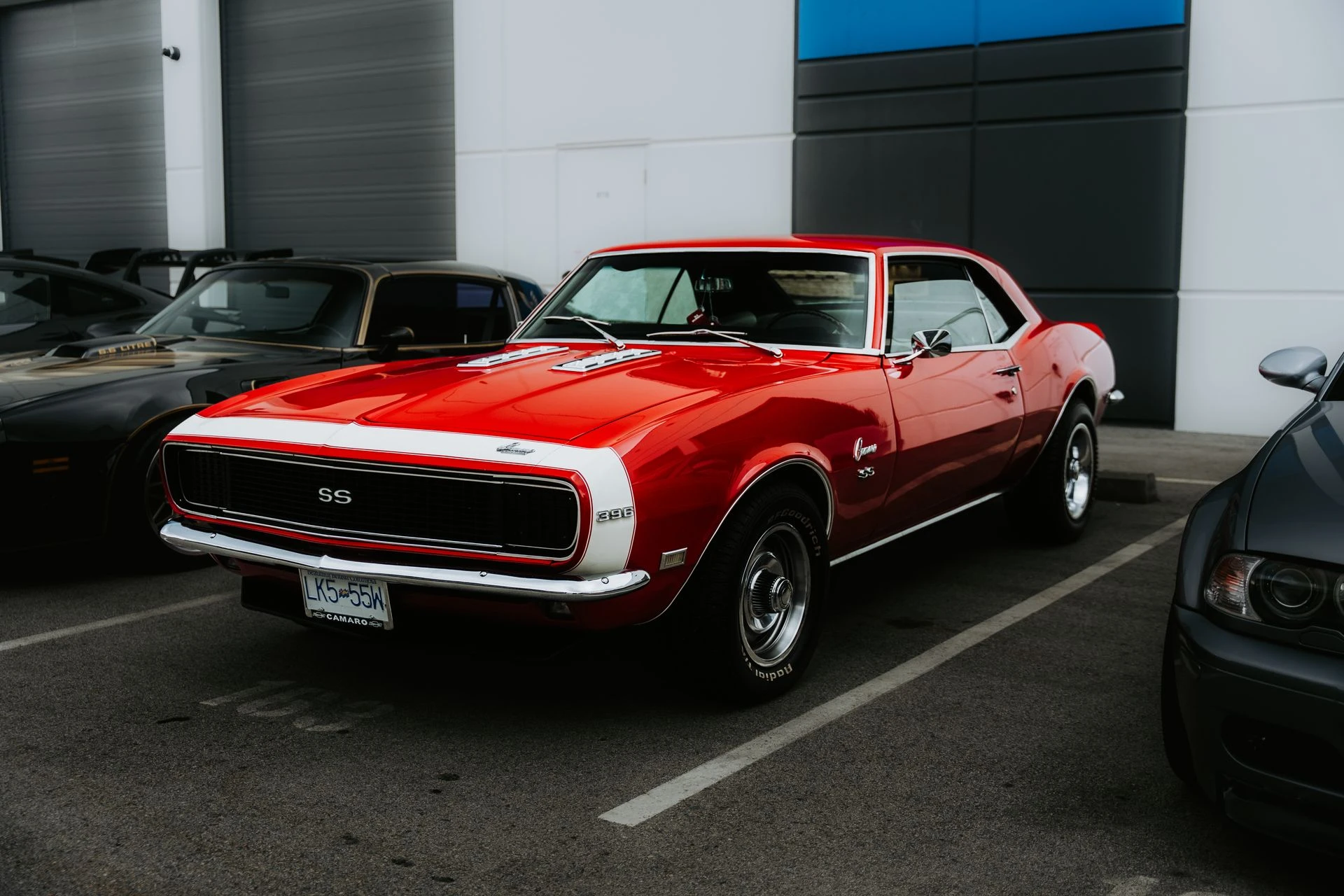
Sources: Chevrolet — 1968 Camaro; Camaro Research Group. Photo: Luke Miller / Pexels. Illustrative Camaro photograph; the car’s original specification has not been authenticated.
Want stories like this in your inbox?
Subscribe for free to our selection of classic cars, stories and events.