
California Track Scene Faces Another High-Stakes Sale
Chuckwalla Valley Raceway - Life in Classic
Chuckwalla Valley Raceway Listed Amid a Shifting Landscape
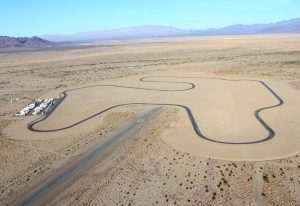
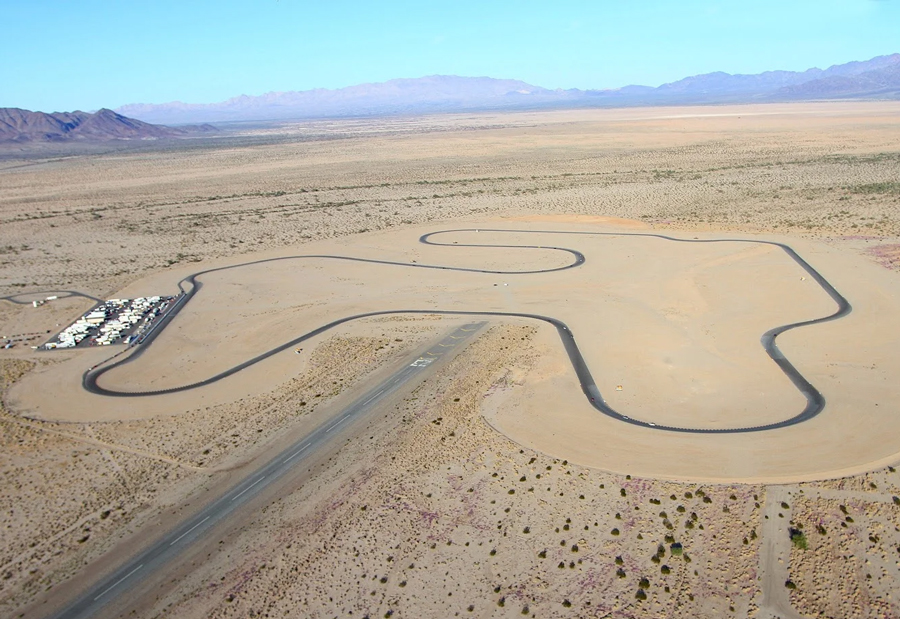
Motorsports enthusiasts in Southern California face another setback. Chuckwalla Valley Raceway, a 1,000-acre facility near Desert Center, is officially for sale. The listing price is $26 million. Since 2010, the circuit has hosted track days, driving schools, and competitive events. Moreover, its remote setting—about two and a half hours from both Los Angeles and Phoenix—made it a year-round refuge for speed.
The track is a 2.68-mile, 17-turn paved road course. It draws novice drivers and seasoned racers who want safe, structured seat time. Furthermore, Chuckwalla stands out with a 5,300-foot paved runway and a helipad, which organizers often use for standing-mile and specialty events. Therefore, the sale lands at a delicate moment for grassroots racing in California. While a transfer of ownership does not always halt on-track activity, it does raise questions the community cannot ignore.
What a $26 Million Sale Could Mean
Big land deals often test the future of motorsport venues. In today’s market, land can deliver faster returns through warehouses, housing, or energy projects. Consequently, any buyer weighing pure development value will spot tempting alternatives to racing. A high price tag also invites private, members-only models that limit access for ordinary enthusiasts. As a result, entry-level participation can slip out of reach, even if the track remains operational.
On the other hand, Chuckwalla is well maintained and widely used. Many hope a motorsport-focused buyer will keep the gates open to clubs, schools, and regional series. Indeed, the property’s unique mix—road course, runway, and desert setting—supports diverse events. However, recent history across Southern California shows how quickly access can narrow when ownership changes. Therefore, locals view this listing with a mix of optimism and caution.
Why Southern California Tracks Keep Disappearing
California’s racing footprint has shrunk for years. Skyrocketing land values pressure operators who need vast acreage, noise buffers, and specialized facilities. Meanwhile, local demand for logistics space and housing keeps growing. Consequently, closures and ownership shifts have piled up, especially in the Southland.
Irwindale Speedway, long known as the “House of Drift,” hosted its final event in late 2024. That move left a major gap for grassroots oval racing and drag nights. Furthermore, Willow Springs International Raceway changed hands in 2025, when CrossHarbor Capital Partners acquired the property. Many in the community fear rising costs and more private access there. In addition, Auto Club Dragway in Fontana lost large portions to redevelopment in 2022, and a proposed short-track plan stalled. Together, these cases show a clear trend: public access keeps slipping as land values climb.
The Ripple Effects for Everyday Enthusiasts
When tracks vanish or become exclusive, pricing changes first. Fewer venues often mean higher fees for track days and test sessions. Therefore, many budget-minded drivers reduce seat time or bow out. Travel becomes another burden. With fewer options near major cities, participants must drive longer distances, pay more for fuel and lodging, and fit fewer events into the year.
Access also shifts in subtle ways. A members-only model rewards owners but can box out regional clubs and schools. Moreover, new schedules may favor premium events over grassroots formats. As a result, novice drivers lose safe, legal spaces to learn the craft and build confidence. Unfortunately, limited access sometimes leads to riskier behavior on public roads. Illegal takeovers and street races feed on pent-up demand. Consequently, the wider community faces safety concerns, while responsible organizers lose momentum.
A Narrow Path Forward for Public Access
The sale of Chuckwalla does not guarantee a loss for the community. However, it will test whether buyers still value public-facing motorsport. If a new owner protects open access, regional racing can hold its ground. Furthermore, the site’s infrastructure and proven calendar give it a strong foundation. Keeping schools, clubs, and time-attack groups on track would sustain the next generation of drivers.
For now, the future depends on stewardship. Stakeholders can highlight the economic and cultural benefits of active circuits. Moreover, they can show how tracks improve safety by drawing spirited driving off public roads. Therefore, the most hopeful outcome is simple: a buyer who sees Chuckwalla as a living venue, not a land bank. Until then, Southern California’s “track rats” must wait to see whether another pillar of the scene stays open—or disappears into the desert wind.