
1969 Brazilian Fusca with Classic Beetle Style
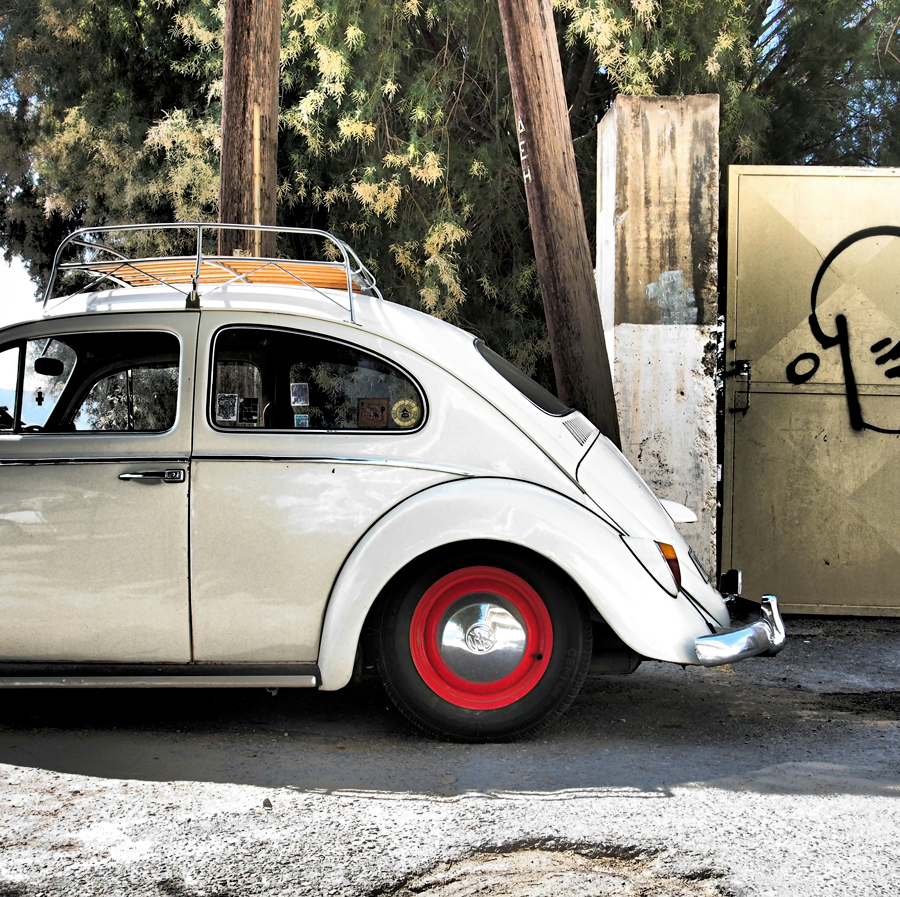
Brazilian Fusca - Life in Classic
A Classic Look, A Later Build
For fans of vintage Volkswagens, few cars capture charm like a Brazilian Fusca. Here, you get the early-1960s look many enthusiasts crave, yet you enjoy a later production date. The recipe feels just right. You see smaller windows, glass-covered headlights, and elegant “towel-rack” bumpers. You also find a separate in-dash fuel gauge, low-back front seats, and cream-colored wheel and knobs. Together, these details recall a circa-1963 Type 1.
However, this Beetle carries 1969 credentials. That timing can mean easier parts sourcing and, at times, better preservation. Moreover, the blend of retro style and later build appeals to drivers who like character without excess compromise. As a result, this Fusca shows how Brazil kept the classic silhouette alive, while the rest of the world changed. Many collectors look for exactly this mix of nostalgia and practicality.
Built in Brazil’s Growing Industry
Volkswagen’s Brazilian story begins earlier than many people realize. Volkswagen do Brasil was established in 1953, initially assembling vehicles from imported parts in São Paulo as Brazil pushed for domestic manufacturing. The operation grew quickly, and the brand’s long-term success depended on building locally rather than importing finished cars, which aligned with Brazil’s industrial policy at the time.
The best-known landmark is the Anchieta plant in São Bernardo do Campo, near São Paulo, which opened in 1959 and became central to Volkswagen’s production in the country. In broad terms, the Fusca’s rise mirrors Brazil’s own postwar industrial momentum: a large domestic market, policies designed to localize production, and a car that fit local needs. It was robust, simple, and economical, and it proved perfectly suited to a country modernizing at speed.
Why a 1969 Fusca Can Look Like a 1963
If you grew up around European or U.S.-market Beetles, a 1969 badge paired with earlier styling cues can feel like a time warp. The explanation is straightforward: Brazilian-market Beetles often followed a different evolution than cars destined for North America or parts of Europe, where safety regulations, lighting standards, and model updates tended to accelerate visible changes. A helpful reference point is the U.S.-market 1969 Beetle, which differed substantially in exterior and interior details compared with a Brazilian Fusca that retained a more classic look.
That divergence is part of the Fusca’s appeal today. Many enthusiasts love the earlier Beetle’s visual “lightness”: slim bumpers, classic headlamp treatment, and a cabin that still feels like a straightforward machine rather than a modernized product. At the same time, a later build date can bring practical benefits for ownership. Even when specifications vary by market, later cars often benefit from incremental production refinements and a supply chain that remained active for longer.
The Charm Is in the Details
What makes this kind of Fusca especially satisfying is how coherent it feels as a whole. It is not a random collection of retro parts; it is a factory-built expression of a market that valued continuity. In the cabin, the simplicity reads as intentional rather than sparse. The seating, controls, and bright trim touches give you the atmosphere many people associate with the Beetle’s peak cultural moment. The car’s friendliness comes from that sense of honest purpose. Everything you see has a job, and very little exists just to impress.
Outside, the classic silhouette does most of the work. The Beetle shape is instantly recognizable, but the early-style cues sharpen the impression. That matters because the Beetle is one of those designs that can look subtly “heavier” as bumpers enlarge and lighting changes. A Brazilian Fusca that preserves earlier elements often looks closer to the Beetle people picture when they hear the word, even if the paperwork says it is later.
Collectability and the “Best of Both Worlds” Argument
Collectors tend to split into two groups. Some want strict model-year correctness, chasing the exact features, fasteners, finishes, and date-coded parts that match a specific production month. Others want the experience: the look, the feel, and the story, with ownership that does not become an endless hunt for rare components. A 1969 Brazilian Fusca with early styling speaks strongly to the second group, and increasingly to buyers who straddle both camps.
From a usability standpoint, “later” can sometimes translate into less anxiety. Even if you remain careful with an air-cooled classic, you may feel more comfortable driving it regularly when you believe parts availability and mechanical familiarity are on your side. Volkswagen’s footprint in Brazil was enormous and long-lasting, which supported a deep ecosystem of service knowledge and spares over decades. For buyers outside Brazil, importing and maintaining any classic involves extra steps, but the Beetle platform remains among the best-supported classic cars in the world.
There is also a cultural layer to the appeal. The Fusca is not simply “a Beetle made somewhere else.” It is a national icon in Brazil, embedded in everyday life and memory. That heritage gives the car a narrative beyond spec sheets: it represents how a global design adapted to local reality, and how a country embraced a car that could handle real roads, real distances, and real budgets.
Driving Feel and Ownership Expectations
A Brazilian Fusca from this era delivers what you expect from an air-cooled Beetle: an approachable, mechanical experience with modest performance and a distinctive soundtrack. The magic is not speed. It is the sensation of lightness, the directness of the controls, and the way the car encourages you to slow down and pay attention. Even routine errands become slightly ceremonial because the car asks for a little more involvement than a modern commuter.
That said, romance works best when paired with realism. These are old cars, and condition matters more than the romance of a badge. A prospective owner should think in terms of fundamentals: structural integrity, rust history, quality of past repairs, engine health, braking condition, electrical reliability, and the completeness of trim. Those points determine whether the car will be a pleasant weekend companion or a project that consumes every spare Saturday.
The Fusca’s Enduring Place in the Beetle Story
Volkswagen’s Brazilian operation became one of the company’s most important outside Germany, and the Beetle was central to that success. The broader takeaway is that the Beetle did not have a single, universal timeline. Different markets carried different priorities, and Brazil’s priorities often favored continuity, durability, and affordability. That is why a 1969 Brazilian Fusca can satisfy an early-Beetle aesthetic in a way a U.S.-market 1969 usually will not.
For a collector or driver today, that difference is a gift. It opens a lane for people who want the classic visual identity without insisting on an earlier build date, and it invites a deeper appreciation of Volkswagen’s global history. A Brazilian Fusca is still unmistakably a Beetle, but it also tells a distinct story about Brazil, industry, and the way iconic designs survive by evolving differently in different places.
If you want a classic that feels friendly, recognizable, and usable, this “classic look, later build” formula makes sense. It is not about chasing perfection. It is about choosing a Beetle that wears its heritage proudly, while giving you a practical shot at actually enjoying it on the road.