
Chevrolet Caprice The American Icon of Accessible Luxury
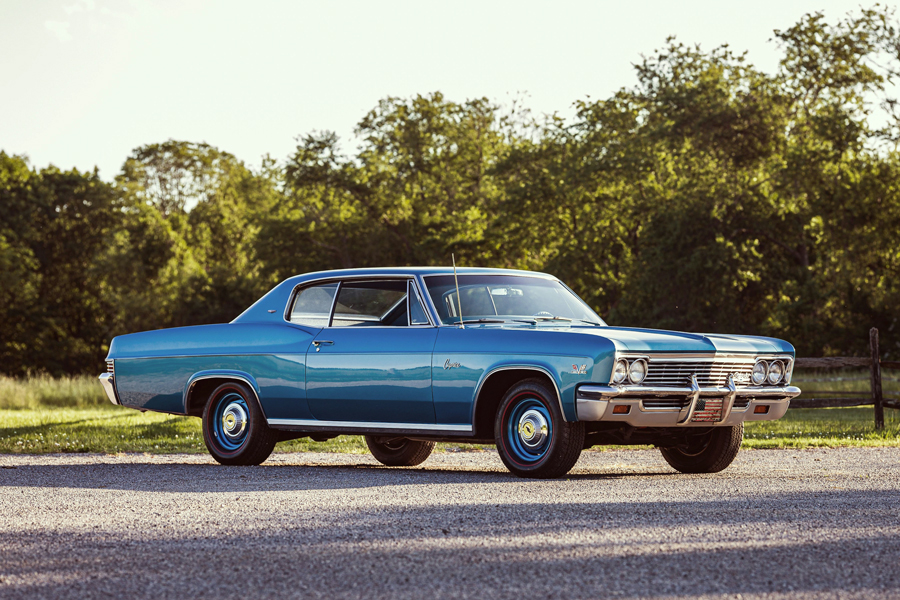
Chevrolet Caprice - Life in Classic
Birth of an American Favorite
The Chevrolet Caprice arrived in 1965 as an upscale Impala trim and quickly struck a chord with U.S. buyers. It promised Cadillac-like comfort without the premium price. Therefore, Chevrolet elevated it to a standalone model for 1966, at the top of its full-size lineup. With formal rooflines, rich trim, and available amenities like air conditioning and power windows, it delivered a refined look and feel. Moreover, shoppers could choose sedans, coupes, and wagons, plus a broad roster of V8 engines that blended smooth power with everyday ease.
From the start, the Caprice balanced style with substance. Engineers tuned the suspension for a quiet, glide-like ride that earned “land yacht” affection from owners. Meanwhile, sound insulation and stout construction helped it feel solid at speed. As a result, it became a natural choice for long trips, daily commuting, and family life. The formula was simple, yet it was executed with care.
Comfort and Space for Real Life
Buyers embraced the Caprice because it solved daily needs with grace. The cabin felt open and inviting, with broad seats and generous legroom. Consequently, families gravitated to the model, especially the wagons, which carried kids, pets, gear, and luggage without stress. Trunks were huge, doors swung wide, and visibility was excellent. In addition, the car’s dependable mechanicals meant long service with routine care.
Yet the Caprice was not just practical. It also felt special to drive and ride in. Soft-touch details and tasteful trim elevated even entry versions. Furthermore, options let owners tailor comfort and performance, from efficient small-block V8s to brawnier big-block choices. Because the car never lost sight of comfort first, it endured through changing tastes and fuel realities.
Built for Duty: Police and Taxi Dominance
The Caprice also excelled beyond private driveways. Its body-on-frame construction proved tough and straightforward to repair, which fleet managers prized. Therefore, law enforcement agencies adopted it widely. The 9C1 police package, introduced in 1973, added heavy-duty components, improved cooling, and stronger suspensions designed for pursuit and patrol. By the mid-1990s, the Caprice 9C1 dominated the American police car market.
Taxi fleets arrived at the same conclusion for different reasons. The Caprice offered a roomy rear seat, a large trunk, and comforting ride quality over rough pavement. Moreover, every mechanic knew how to service it, and parts were affordable and available. Consequently, the car stayed on the road, earning money instead of sitting in the shop. Its reliability created loyalty among drivers and fleet owners alike.
Downsizing Done Right
In 1977, Chevrolet resized the Caprice to meet a new era of fuel concerns and tighter streets. The redesign shortened and lightened the car, yet it preserved the interior space and the easygoing demeanor that fans loved. As a result, it felt modern without losing its core virtues. The effort paid off with strong sales and industry praise. Furthermore, the achievement earned the Caprice the Motor Trend Car of the Year award.
Throughout the 1980s, the model continued to balance efficiency and comfort while keeping ownership costs reasonable. The car remained straightforward to maintain, and it never strayed from its mission. However, consumer tastes shifted in the 1990s as crossovers and newer designs took hold. Even so, the Caprice’s reputation stayed intact, both with drivers and with fleets.
Legacy of a Household Name
North American production ended after the 1996 model year, closing a three-decade chapter for the nameplate. Yet the story did not stop there. For a time between 2011 and 2017, the Caprice name returned on a police-only import, demonstrating the badge’s continued pull in duty-focused roles. Ultimately, the original car’s legacy rests on a reliable truth: it delivered accessible luxury and space at a price many families could afford.
Today, the Caprice stands as a symbol of a confident era in American carmaking. Collectors value its comfort and durability, while former owners remember how easily it fit their lives. Moreover, enthusiasts appreciate the car’s role in police and taxi service, where it built a reputation the hard way. Consequently, the Caprice remains more than a model name. It lives on as an icon of the practical, plush, and proudly American full-size car.