
Inside Minerva, TAG Heuer Moves and Omega’s Bet
Minerva watches - life in Classic
This Week in The Business of Watches
This week, The Business of Watches heads to Villeret, Switzerland, the historic home of Minerva. The 1858-founded workshop remains the watchmaking jewel within Montblanc and a key part of Richemont’s high-end horology. Laurent Lecamp, who leads Montblanc and Minerva’s watchmaking operations, joins the show for a deep conversation about heritage, modern strategy, and serving enthusiasts he calls “fans,” not customers. He also shares why Montblanc and Minerva will skip Watches and Wonders this year, and how that decision supports a tailored path within the Richemont group.
Before the interview, a new segment kicks off the episode. Senior Editor Mark Kauzlarich joins to unpack recent industry headlines. Together, we explore potential executive changes at TAG Heuer and consider the strategy behind Omega’s latest Speedmaster in steel, which crosses the $10,000 threshold while adding notable upgrades.
Minerva’s Legacy Inside Montblanc
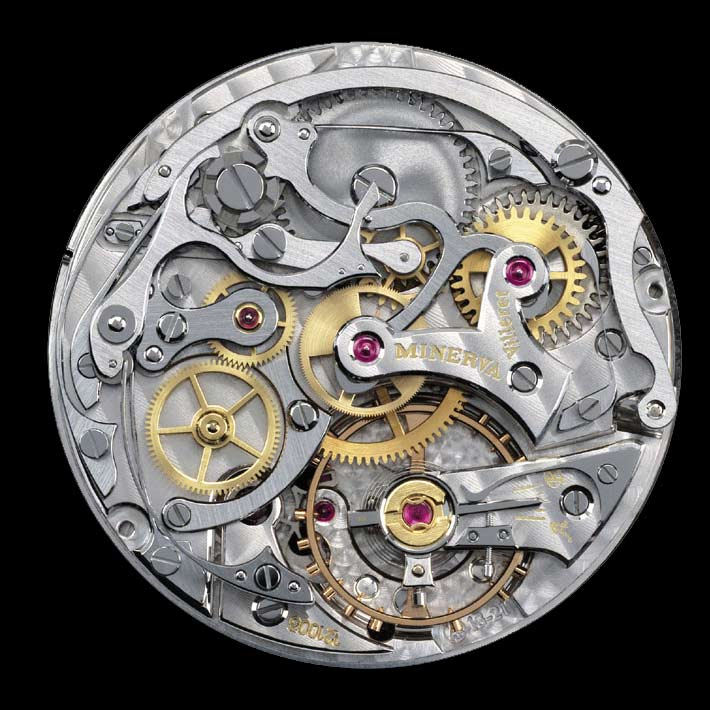
We begin in Villeret, where Minerva’s legacy of precision chronographs and hand-finished movements continues to inspire collectors. Lecamp discusses how Minerva anchors Montblanc’s watchmaking identity, pairing traditional craftsmanship with sharp contemporary design. He highlights the brand’s rare in-house know-how, including distinctive bezels, monopusher chronographs, and thoughtful casework. Moreover, he emphasizes an approach that respects the past, yet remains focused on meaningful innovation.
While Minerva’s roots run deep, the mission remains clear: create watches that feel special in the hand and compelling on the wrist. Therefore, the team prioritizes finishing, mechanical artistry, and storytelling. At the same time, Lecamp underscores the importance of community: listening closely, keeping editions tight, and celebrating details that true fans notice first.
Strategy, Community, and Skipping the Big Show
Montblanc and Minerva chose not to participate in Watches and Wonders this year. According to Lecamp, that choice supports a more focused calendar and a direct way to engage enthusiasts. Instead of a single headline moment, the brands will stage product reveals and collector touchpoints on their own schedule. As a result, they can craft tailored presentations, share deeper narratives, and test ideas faster.
Meanwhile, Richemont’s scale offers resources, but each maison still charts its own course. Lecamp explains how Minerva leans on its artisanal strengths while Montblanc balances broader appeal and technical credibility. Additionally, he notes that feedback from “fans” guides priorities. Small details, such as dial finishes, movement architecture, and tactile bezels, help define identity and trust. Furthermore, club-style programs and curated experiences keep that relationship dynamic.
Executive Moves and Omega’s Price Signal
In our news round-up, we discuss the possibility of leadership changes at TAG Heuer. Executive shifts can signal new priorities, fresh product directions, or distribution adjustments. However, stability in core collections and clear brand codes usually carry the day. The discussion considers how leadership tone shapes market confidence, retailer relationships, and the collector community.
Next, we turn to Omega’s new steel Speedmaster. It features a ceramic bezel and a lacquered dial, and it arrives with a higher price. Importantly, this move positions the Speedmaster closer to the brand’s top-tier offerings. It may also reflect higher material and finishing standards, plus a selective approach to the model’s many variants. Moreover, it suggests Omega aims to protect equity in a crowded luxury landscape. While the new price will spark debate, the watch’s technical and aesthetic upgrades target buyers who demand more and are willing to pay for it.
Endurance, Craft, and How to Listen
Lecamp also opens up about running extreme marathons, sometimes with a Minerva or Montblanc on his wrist. The discipline of endurance racing parallels fine watchmaking: preparation, consistency, and respect for limits. Likewise, it mirrors the patience required for hand-finishing and movement development. His personal approach to performance, both on the trail and at the bench, feeds the brand’s commitment to meticulous craft.
The episode closes with an invitation to continue the conversation. We welcome your questions and feedback. Additionally, you can subscribe so you never miss an installment. The Business of Watches publishes on the original Hodinkee Podcasts feed, available on Apple Podcasts, Spotify, and TuneIn. Finally, the show notes include deeper dives on Minerva history, recent Montblanc releases, collector programs, high-complication showpieces, and broader industry context from Richemont and beyond.