
Why the South of France Is Never Just a Vacation
South of France at Life in Classic
For many travelers, the South of France begins as a vacation idea.
However, the region quickly reveals something deeper to those who stay long enough.
Rather than offering spectacle, it introduces a different rhythm of life—one shaped by geography, habit, and restraint.
Over time, visitors discover that the South of France does not function as an escape, but as a framework for living.
For decades, the South of France has existed in the collective imagination as a vacation fantasy: summer light, coastal roads, cafés spilling onto shaded squares. But beyond the clichés lies something far more enduring. What draws people back—year after year, generation after generation—is not the spectacle, but the structure of life itself.
This is a region that teaches you how to slow down without asking you to stop.
A Geography That Shapes a Lifestyle
The geography of the South of France is deceptively compact. In the space of a single afternoon, you can move from the Mediterranean coast to vineyards, from seaside towns to hilltop villages where time seems suspended. This proximity creates a lifestyle that feels rich without being overwhelming. Nothing is too far away. Nothing needs to be rushed.
Morning might begin inland, with fresh bread and strong coffee, followed by a drive through winding departmental roads lined with cypress and stone walls. Lunch happens when it happens. Afternoons stretch. Evenings are dictated by light rather than clocks.
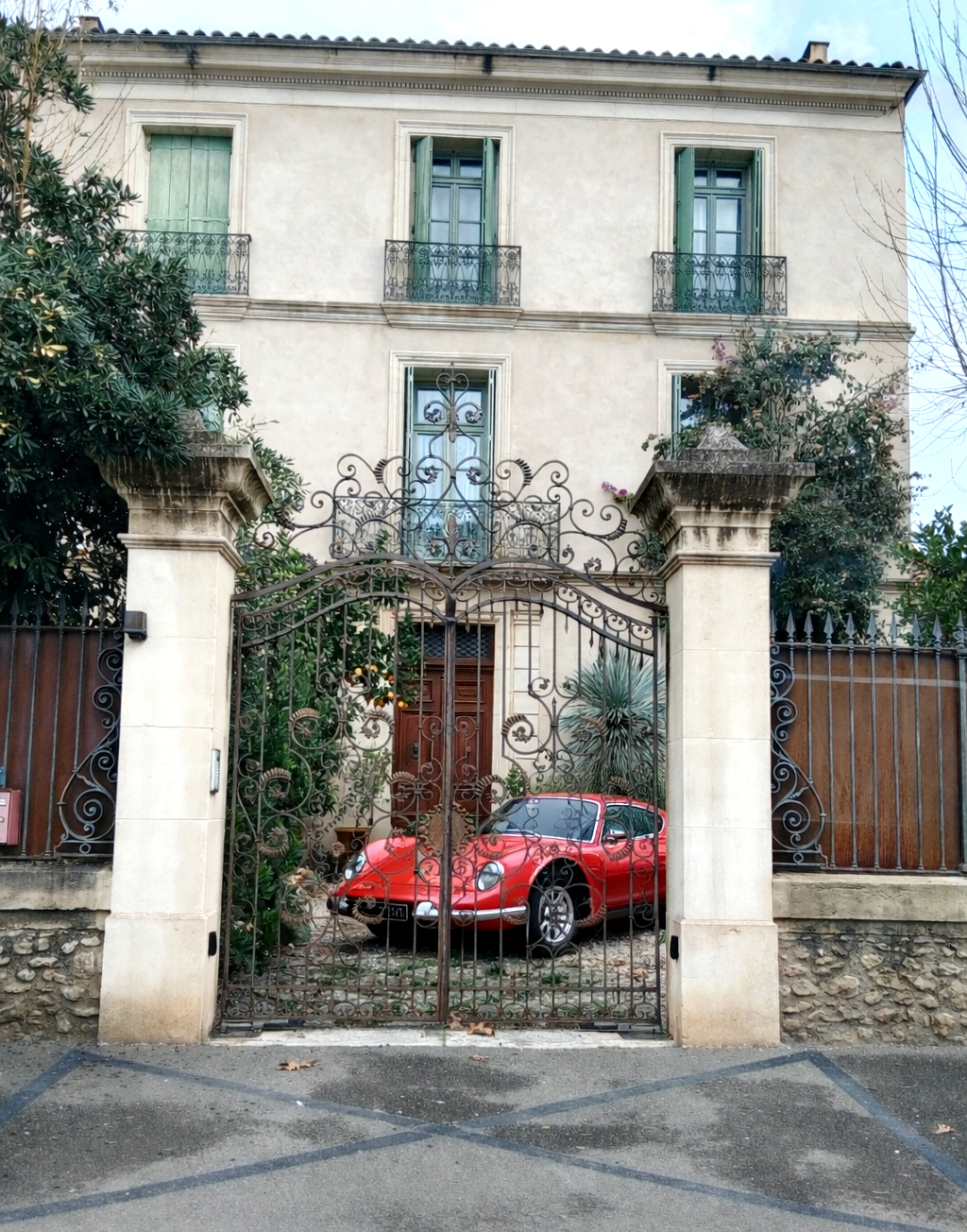
This is where the idea of the Ferrari fits—not as a display of wealth, but as a response to the landscape. Roads here are meant to be driven, not conquered. They reward balance, precision, and engagement. Speed is secondary to sensation. A well-driven car, like a well-lived day, is about flow.
From Vacation to Ritual
What separates a vacation from a way of life is repetition. The South of France excels at turning fleeting experiences into rituals. The same market every week. The same road driven at different times of year. The same restaurant table, quietly reserved without asking.
Over time, visitors begin to recognize that the region does not push itself on you. It waits. And those who respond to that patience often find themselves extending stays, returning off-season, or quietly imagining what it would be like to stay for good.
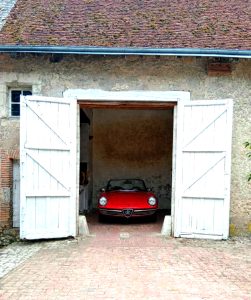
This is why so many homes in the region feel lived-in rather than curated. Courtyards, gates, and gardens are not designed for guests, but for continuity. Cars are parked out of sight. Luxury is absorbed into daily life rather than highlighted.
The South of France does not reward performance. It rewards presence.
A Culture of Discretion
Despite its international reputation, the South of France is surprisingly private. True locals—and long-term residents—value discretion above all else. Homes are enclosed. Gardens are hidden. Conversations are unhurried but selective.
This culture shapes everything from architecture to behavior. Even objects associated with status—watches, cars, houses—are rarely used as statements. They are enjoyed quietly, often out of view.
A Ferrari here is not about arrival. It is about departure. Early mornings. Empty roads. Familiar routes driven with intention. It is part of a personal rhythm, not a public narrative.
In this sense, the South of France represents a counterpoint to modern, hyper-visible luxury. It suggests that the highest form of sophistication is knowing when not to be seen.
Seasons Matter Here
Unlike many vacation destinations that exist primarily for summer, the South of France is deeply seasonal—and proudly so. Each season reshapes daily life.
Autumn brings calm, softer light, and open roads. Winter is introspective, marked by markets, long lunches, and clear skies. Spring reawakens the landscape slowly, deliberately, without the urgency of high season.
Those who truly understand the region often prefer it outside of summer. This is when the South of France feels less like a destination and more like a secret. When life regains its natural proportions.
Cars are driven more. Tables are easier to find. Conversations are longer.
The Myth—and the Reality
The myth of the South of France has been shaped by artists, writers, and filmmakers for over a century. But the reality, while less theatrical, is far more compelling. It is a place that allows you to edit your life—not radically, but meaningfully.
You wake up earlier because the light is better. You drive instead of rushing. You choose quality over quantity without feeling deprived. Objects last longer. Relationships deepen. Time expands.
This is why the South of France continues to attract those who already have access to everything else. It offers something increasingly rare: coherence.
Why It Endures
Trends come and go. Destinations rise and fall. Yet the South of France endures because it is not built around novelty. It is built around habit, landscape, and restraint.
It does not try to impress you. It invites you to adapt.
And perhaps that is the real story behind every image of a quiet house, a closed gate, a car waiting patiently inside. The South of France is not asking to be consumed. It is offering a framework for living—one that feels timeless precisely because it resists urgency.
In the end, the South of France is never just a vacation. It is a rehearsal for a different life. One you may not be ready to live full-time, but one you will carry with you long after you leave.
And for many, that is more than enough reason to keep coming back.