
Indy’s Stock-Block Revival in a 1930 Oakland Speedster
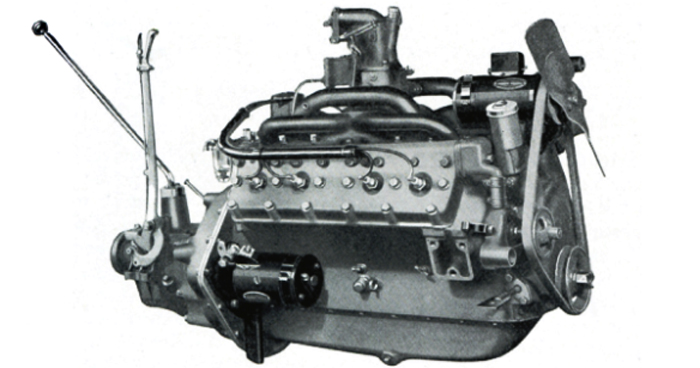
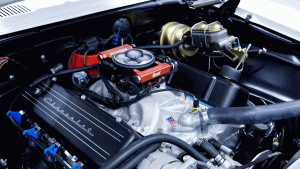
Oakland flathead V8 engine - Life in Classic
The rule shift that reshaped Indianapolis
In 1930, the AAA Contest Board rewrote the Indianapolis 500’s technical playbook. The long-standing 91.5-cubic-inch cap for supercharged engines disappeared. In its place, officials allowed naturally aspirated engines up to 366 cubic inches. The aim was simple and bold: draw manufacturers back with stock-block powerplants and widen the field. Consequently, teams arrived with a broader range of cars, engines, and ideas.
That season opened a chapter many later called the “junk formula” era. The nickname undersold the innovation. Because the rulebook favored production-derived engines, clever builders explored fresh combinations. As a result, Indy’s grid grew more varied and, in many ways, more relatable to showroom technology. Today, the period inspires a dedicated group of historians and craftspeople. One of them recreated a striking two-seat Oakland V8 racer that placed 11th in the 1930 running. Moreover, the car is currently offered at Hemmings Auctions, bringing the era’s grit and ingenuity back to life.
Oakland’s V8 steals a surprise first
Although straight-eights from Stutz, Studebaker, Duesenberg, Buick, du Pont, and Chrysler filled much of the 1930 field, the race’s first V8 entry arrived from a less expected name. Instead of Ford, it was Oakland that delivered a flathead V8 in its Model 101. Privateer Ira Vail entered an Oakland-powered speedster without factory backing. Meanwhile, driver Claude Berton made his only Indy 500 start in the car and delivered a clean, consistent run.
He finished 11th, still circulating at 196 laps when officials waved the checkered flag. Miller-powered machines dominated that year, and the winner finished more than seven minutes clear of second place. Nevertheless, the Oakland ranked fourth among stock-block entries and earned $550 in prize money. The effort eventually attracted brief support from Oakland. However, the automaker itself would vanish after 1931. Even so, the company’s unexpected V8 milestone left a memorable footnote in the stock-block era.
Recreating a lost racer with global help
The original Oakland Indy car is gone, but its spirit found a meticulous champion. John Armstrong, former president of the Pontiac-Oakland Club International, led a decade-long effort to build a faithful replica. According to the seller, the project involved 48 specialists across four countries over 10 years. Therefore, every decision followed period photos, race reports, and factory documents to mirror Vail’s 1930 machine as closely as possible.
Armstrong began with the right bones: a 1930 Oakland chassis and the correct Oakland flathead V8. Then came the refining work. Metal shaping replicated the lean, purposeful lines of a Depression-era speedster. Moreover, details—from cockpit layout to engine fittings—received careful scrutiny. The result channels the stance, sound, and sensibility of a privateer’s Indy hopeful from nearly a century ago. For enthusiasts who value authenticity, the car reads like a rolling archive, yet it feels ready to be used and enjoyed.