
Karmann Ghia: Grace Over Raw Speed
Kharmann Ghia - Life in Classic
A debate that never quite ended
In the 1960s and 1970s, the Volkswagen Karmann Ghia sparked a question that enthusiasts still ask today: was it truly a sports car? The case for “yes” sounded reasonable back then. The car offered four-wheel independent suspension, a floor-shifted four-speed gearbox, and bucket seats. Moreover, period rivals like the Triumph Spitfire and Austin-Healey Sprite struggled to top 60 horsepower. In that context, the Ghia seemed competitive enough for spirited driving on real roads. Yet the car’s appeal reached beyond numbers. It looked exotic, felt approachable, and delivered an experience that many buyers could afford. Therefore, the argument became less about lap times and more about how the Ghia made people feel behind the wheel.
Style over speed, and the fun that followed
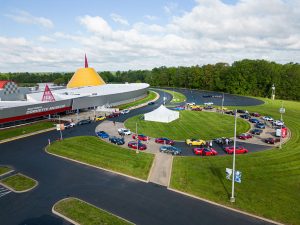
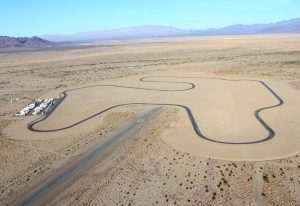
Despite its charms, the Karmann Ghia shared most of its mechanicals with the Beetle. Consequently, outright performance mirrored the people’s car rather than the era’s sharper sports coupes. A 1973 Road & Track comparison at Riverside underscored that point, placing the Ghia at the back of the lap-time pack. However, the testers still praised its steering and the joy it delivered when pushed hard. Even Volkswagen leaned into the verdict with a playful ad: a Ghia dressed in racing stripes under the blunt headline that you would lose. Yet the message landed well. Drivers did not buy the Ghia to win races. Instead, they embraced a car that made everyday trips feel special, even when stopwatches said otherwise.
Italian lines, German dependability, American success
The Ghia’s design story also fed its legend. Luigi Segre at Ghia penned the body, and Karmann crafted it by hand as a coupe and a convertible. The blend of Italian style and German durability proved irresistible. More than 80 percent of production came to the United States, where the car became a familiar, glamorous presence on suburban streets. Moreover, its practical roots mattered. Owners enjoyed modest running costs and strong reliability without giving up curb appeal. The formula worked for nearly two decades, with production running through 1974. Consequently, the Ghia earned a place not just in showrooms but in popular memory. It stood as proof that beauty, economy, and daily usability could share the same driveway.
A 1969 example that captures the essence
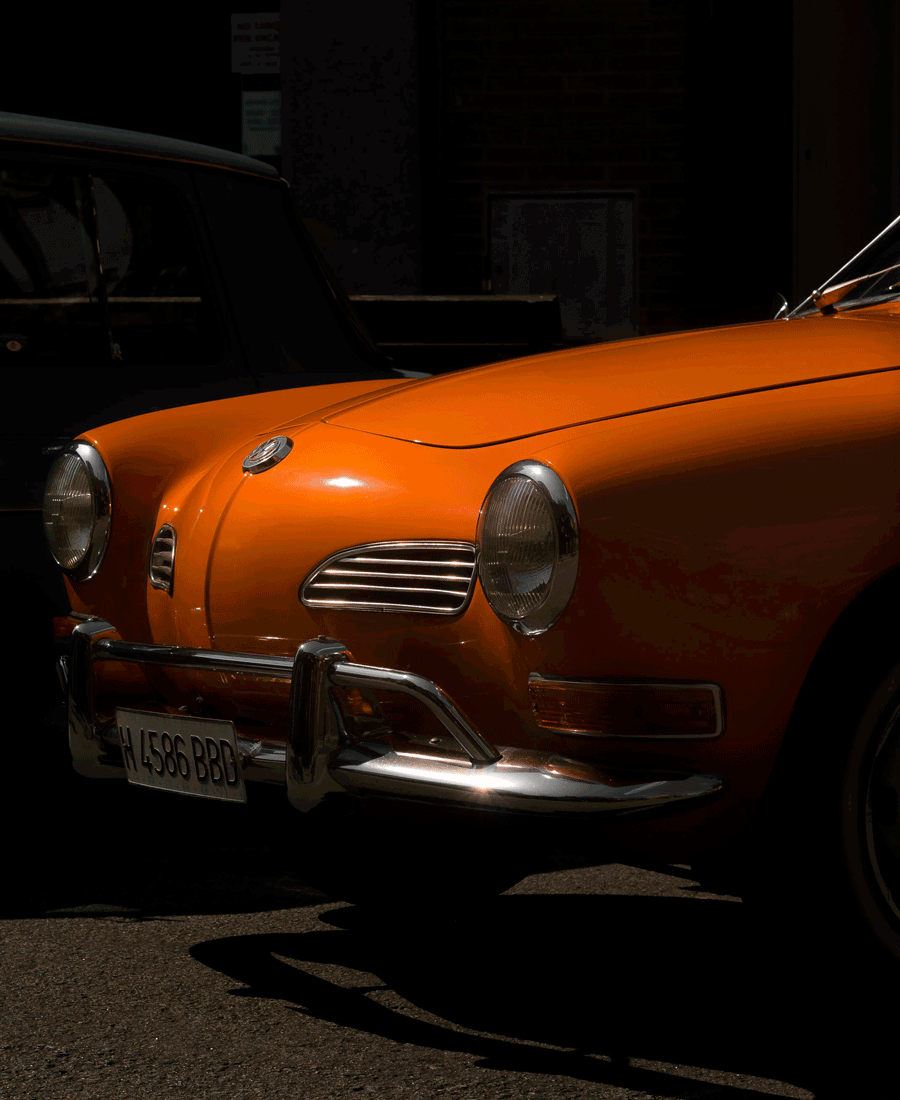
A well-kept 1969 coupe shows why the model endures. The current owner bought it stock nearly three decades ago and focused on careful renewal rather than radical modification. The car received fresh paint, all new rubber seals, a tidy black interior, and a new wiring harness. Moreover, the engine and transaxle were rebuilt, bringing the drivetrain back to confident health. The color, Commando Green, comes from the Jeep palette, yet it echoes the earthy tones Volkswagen favored in the mid-1970s. As a result, the car looks both period-right and neatly individual. Overall, it presents as an honest, rust-free Ghia designed to be driven, not hidden. For many shoppers, that balance is exactly the point.
Mechanical character, simple upgrades, authentic feel
Volkswagen gently evolved the Ghia’s hardware over time. In 1967, the model gained a 1,500cc flat-four rated at 53 horsepower and a major braking upgrade with front discs. Buyers could choose a four-speed manual or the Autostick, a three-speed semi-automatic with a vacuum-operated clutch and torque converter. This particular ’69 uses the floor-shifted four-speed, matching the car’s straightforward ethos. It retains a stock single-barrel carburetor and exhaust, along with the original suspension, while the front end and brakes have been serviced. Therefore, the driving experience remains close to the factory intent: light, communicative, and unpretentious. Volkswagen listed 82 mph as both cruising and top speed, which tells you everything about the Ghia’s priorities. It was built to hum along, not to hunt apexes.
So, is it a sports car after all?
Period testers reached a nuanced conclusion. The Ghia would not win on track, they noted, yet it handled cleanly, rode well, and could be pushed to the limit without nasty surprises. Moreover, it delivered theater, occasionally lifting an inside front wheel like a far more powerful machine. In other words, it offered sports-car flavor without sports-car bite. Volkswagen’s own brochure captured the verdict best: whether it is a sports car “depends on how you look at it.” Ultimately, that perspective still holds. If lap times define the category, the Ghia sits outside the ropes. If joy, style, and confidence on real roads matter more, it belongs inside. This 1969 coupe, offered at an asking price of $27,000, makes the case in metal. Drive it, and decide for yourself.