
Why Ferrari’s 512 BBi Deserves the Spotlight
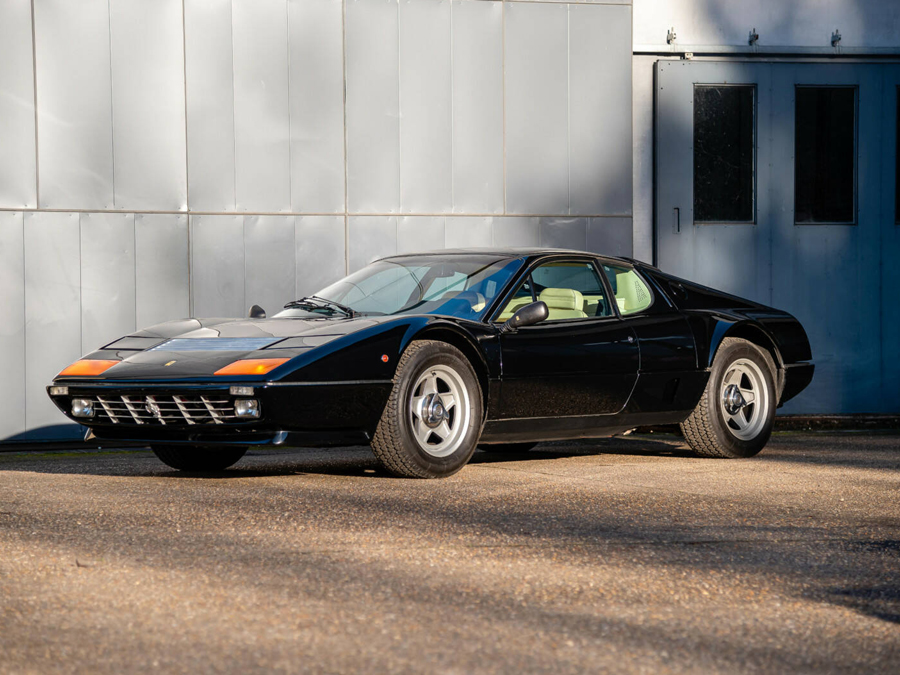
Ferrari 512bbi - Life in Classic
From Flagship to Cult Favorite
Could the Berlinetta Boxer be Ferrari’s forgotten flagship? The lineage began with the 1973 365 GT4 BB, evolved into the 1976 512 BB, and culminated with the hand-built 512 BBi in 1984. For a time, the later Testarossa stole the limelight with its wild strakes and higher production. Meanwhile, Ferrari’s renewed focus on front-engine V12s further diluted attention. Even so, the Berlinetta Boxer line marked a turning point for the brand. It introduced Ferrari’s first mid-engine, 12-cylinder road cars and set the tone for decades of performance.
Today, enthusiasm for the 512 BBi is rising. Collectors are reappraising its design purity, its motorsport spirit, and its analog charm. As a result, well-kept examples now change hands for serious money. The car is no longer a niche choice. Instead, it is becoming a confident statement in any serious Ferrari collection.
Engineering That Defined an Era
The 512 BBi kept the essentials that made the Boxer special. Under its Pininfarina wedge sits a 4.9-liter, flat-twelve with dual overhead cams and Bosch K-Jetronic fuel injection. The switch from carburetors to injection improved drivability and made emissions compliance easier. Consequently, some cars were privately imported and federalized for U.S. roads, even though Ferrari never sold the BBi here through official channels. Output was listed at 340 horsepower, with a claimed top speed of 174 mph. Therefore, performance was firmly in supercar territory.
Styling changes from the 512 BB were subtle. A revised grille and lower front lighting distinguished the injected model, while the classic two-tone Boxer paint scheme remained popular. Crucially, production stayed limited. Ferrari built just 1,007 examples from 1981 to 1984. In addition, the hand-built nature and mid-engine layout added to the allure. The result is a focused, driver-centric machine with unmistakable character.
Recent Sales Point to Renewed Momentum
Monterey’s August auctions offered a useful snapshot of demand. At Mecum, a 1984 512 BBi in Rosso Corsa over Nero with 21,168 km (13,153 miles) and recent service brought $236,500. Meanwhile, Gooding Christie’s sold a single-tone Blu Scuro car over Crema with Ferrari Classiche certification for $307,500. That example, in the U.S. from new, carried 24,526 miles and comprehensive documentation with books and tools. Clearly, provenance, color, and completeness still move the needle.
Moreover, these numbers align with broader market behavior. Cars with low mileage, strong histories, and factory-correct details tend to command premiums. Conversely, modified or heavily used examples often trail. As a result, buyers are increasingly selective. They look for authenticity, service records, and expert preparation. In turn, sellers who present cars well are rewarded with stronger bids.
Value Trends and Expert Insight
Recent data shows a wide range. Over the past five years, the highest reported public sale reached $500,938 for a 1982 car at a 2021 Aguttes auction.