
Uncovering the Rarest Camaro: The 1969 ZL1
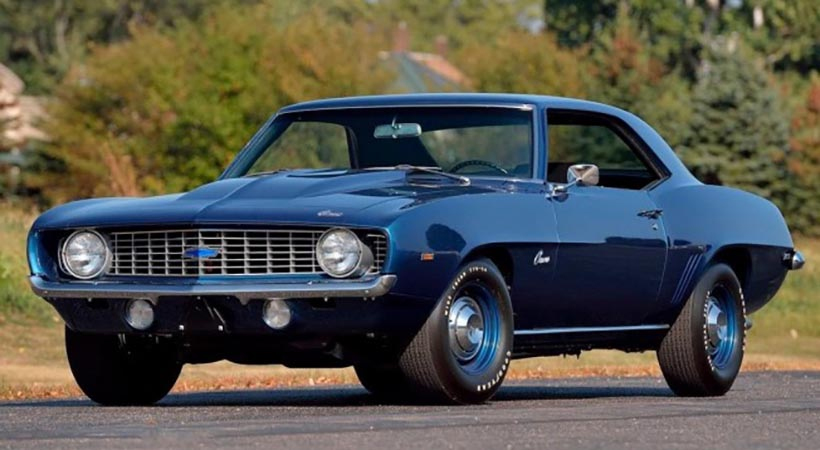
Chevrolet camaro 1969 ZL1 - Life in Classic
A Factory Freak Is Born
In the golden age of American muscle, horsepower ruled the streets and the strips. Amid that roar, one machine rose above the rest for its rarity and raw force: the 1969 Chevrolet Camaro ZL1. Enthusiasts still call it a factory freak, because it married race-bred parts with street-legal status in a way few cars ever did.
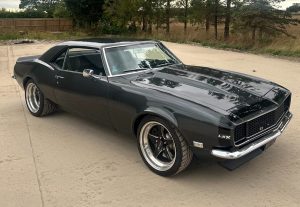
Only 69 examples reached customers. Therefore, the ZL1 became the rarest factory big-block Camaro of all time. Collectors prize it, and historians celebrate it. Yet many fans know it only through well-built tribute cars that carry the look and spirit forward.
Crucially, this legend emerged not by accident, but by design and daring. Dealers and racers spotted a pathway inside Chevrolet’s ordering system. As a result, a pure competition engine slipped into a production Camaro and rewrote the muscle-car story.
COPO: The Loophole That Changed Camaro History
The ZL1 story begins with Chevrolet’s Central Office Production Order, known as COPO. The system existed for fleet buyers who needed special combinations for police or taxi duty. However, a few performance-minded dealers saw a different opportunity.
Illinois dealer Fred Gibb led the charge. He used COPO 9560 to order Camaros with an engine never intended for public sale: an all-aluminum 427-cubic-inch V8 built for top-tier racing. Meanwhile, dealers like Don Yenko pushed the concept into the broader enthusiast world.
At the time, GM limited engines larger than 400 cubic inches in smaller models. Therefore, the COPO route became a way around that internal policy. It did not change the rules. Instead, it used a special-order channel to create a street-legal car with true competition hardware.
Inside the All-Aluminum 427
The ZL1’s heart was its 7.0-liter, all-aluminum 427. Unlike the iron-block L72 found in other COPO Camaros, this version featured an aluminum block and heads. Consequently, the engine shaved roughly 100 pounds from the nose and moved weight balance closer to small-block territory.
Chevrolet rated the engine at 430 horsepower on paper. Yet period tests and expert estimates placed real output well beyond 500 horsepower in stock trim. Moreover, the engine breathed through a high-capacity Holley 850 CFM carburetor. It also ran a 12.0:1 compression ratio and tough forged internals.
Racing development shaped every major part. Therefore, the ZL1 was more than a bigger engine. It was a lightweight, high-compression, high-flow package designed to live at high rpm and deliver repeatable results on the strip.
Performance That Shook the Strip
With minimal tuning, early ZL1s ran the quarter-mile in the low 11-second range. That number put the car among the quickest production-based machines of its day. Furthermore, the lighter front end sharpened turn-in and helped the Camaro track straighter under power.
Drivers reported strong throttle response and a ferocious pull through the gears. However, the ZL1 demanded respect. Its power arrived fast, and its intentions were clear. As a result, owners who set up the car correctly found consistent, repeatable speed at the drag strip.
Even so, the ZL1 remained a road car with a factory warranty. That dual nature—race parts in a registered package—made it a sensation. It also set the tone for later factory performance programs across Detroit.