
Iconic Cars That Changed Culture
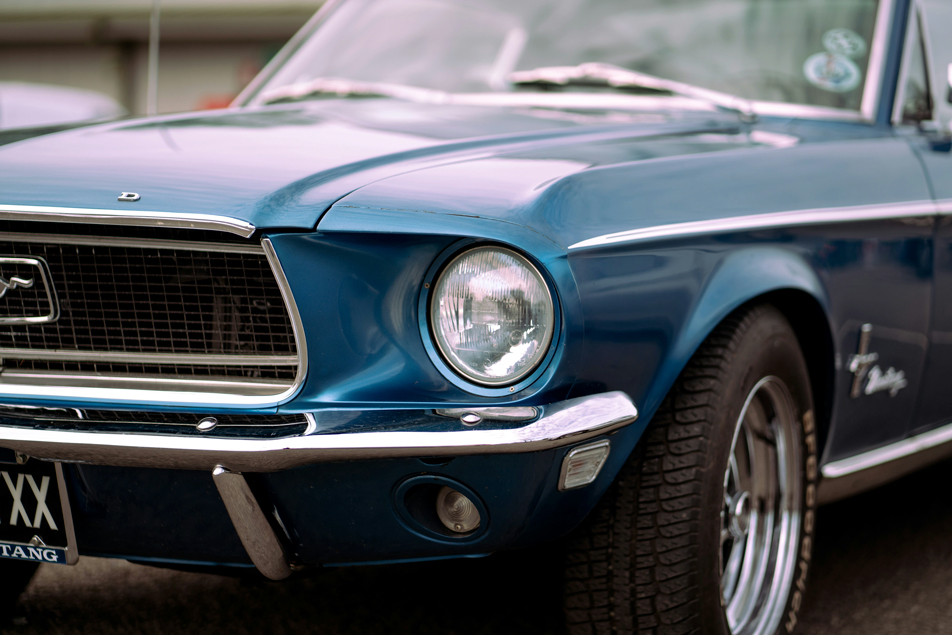
Ford Mustang at Life in Classic
Iconic Cars That Changed Culture
Some cars are more than machines. They move beyond transport and become part of culture, memory, and identity. These iconic cars that changed culture did not earn their status through performance figures or technical innovation alone. Instead, they shaped how entire generations understood freedom, progress, and style. Long after production ended, their meaning continued to grow.
What turns a vehicle into an icon is not only what it does, but what it represents. Certain cars manage to capture the spirit of a moment and carry it forward in time. They become shared references that appear in stories, images, and conversations across generations.
What Makes a Car Truly Iconic
An iconic car is rarely defined by numbers. Horsepower, top speed, or rarity can help attract attention, but they do not guarantee lasting relevance. What truly defines an icon is its ability to connect with people beyond the road.
These cars often arrive at a turning point in history. They reflect social change, new aspirations, or a shift in how people see themselves. Over time, they become part of everyday life and collective memory. The Volkswagen Beetle, for example, started as a simple people’s car but evolved into a symbol of individuality and counterculture in many parts of the world.
Design also plays a decisive role. A recognisable shape or a distinctive detail allows a car to remain identifiable decades later. When a silhouette alone is enough to trigger recognition, the vehicle has already crossed into cultural territory.
Cars That Became Cultural Symbols
Some cars became symbols almost unintentionally. They were adopted by the public and absorbed into daily life at exactly the right moment. As a result, they came to represent ideas far beyond mobility.
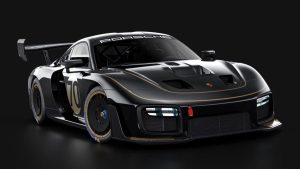
The Ford Mustang is a clear example. More than just a sports car, it became associated with freedom, youth, and the open road. Similarly, the Porsche 911 evolved into a symbol of continuity and identity. Despite technical evolution over the years, its core character remained intact, reinforcing its cultural presence.
These iconic cars that changed culture were often visible where culture itself was being created. They appeared on city streets, in magazines, and alongside artists, musicians, and filmmakers. Over time, their meaning grew stronger with every appearance.
When Design Shapes Memory
Design is one of the strongest forces behind a car’s long-term impact. While technology changes quickly, visual language tends to age more slowly. This is why certain designs continue to feel relevant decades later.
The Jaguar E-Type is frequently cited as one of the most beautiful cars ever made. Its proportions and flowing lines created a visual identity that transcended its era. The Citroën DS achieved a similar effect in a very different way. Its futuristic shape and unconventional stance made it a symbol of progress and optimism.
These designs did more than please the eye. They helped embed the cars into collective memory. Even today, modern reinterpretations and concept cars often borrow elements from these classics, proving the lasting influence of their original forms.
From the Road to Film, Music, and Art
Some cars achieved iconic status through their presence in popular culture. Film, music, and visual art helped turn certain models into global symbols.
The Aston Martin DB5 became inseparable from the image of James Bond, representing elegance, confidence, and sophistication. The Mini Cooper, on the other hand, embodied a different kind of energy. Its appearances in film and media helped define a youthful, modern image of British style.
Through these cultural connections, cars reached audiences far beyond traditional enthusiasts. Even people with little interest in mechanics came to recognise these vehicles and understand what they represented.
Why These Cars Still Matter Today
In a world defined by rapid change, iconic cars offer a sense of continuity. They remind us of moments when design, culture, and ambition aligned in a meaningful way.
These vehicles also reflect values that remain relevant. Craftsmanship, authenticity, and individuality feel increasingly rare in a standardised and digital environment. As a result, classic icons continue to attract admiration and respect.
Interest in iconic cars is no longer limited to nostalgia. Many younger enthusiasts discover them through film, exhibitions, and social media. These platforms keep the stories alive and allow new audiences to engage with them on their own terms.
Preserving Icons for the Future
As time passes, preserving iconic cars becomes more important. These vehicles are not only mechanical objects but also cultural artefacts. Caring for them means protecting a shared heritage.
Preservation can take many forms. It may involve careful restoration, respectful use, or simply ensuring proper long-term protection. Each approach helps ensure that future generations can experience these icons as more than images or stories.
Ultimately, iconic cars that changed culture deserve attention not because they are old, but because they still have something to say. Their stories continue to inspire, connect, and remind us why certain objects become timeless.