
Lamborghini Temerario Sets a New Supercar Standard
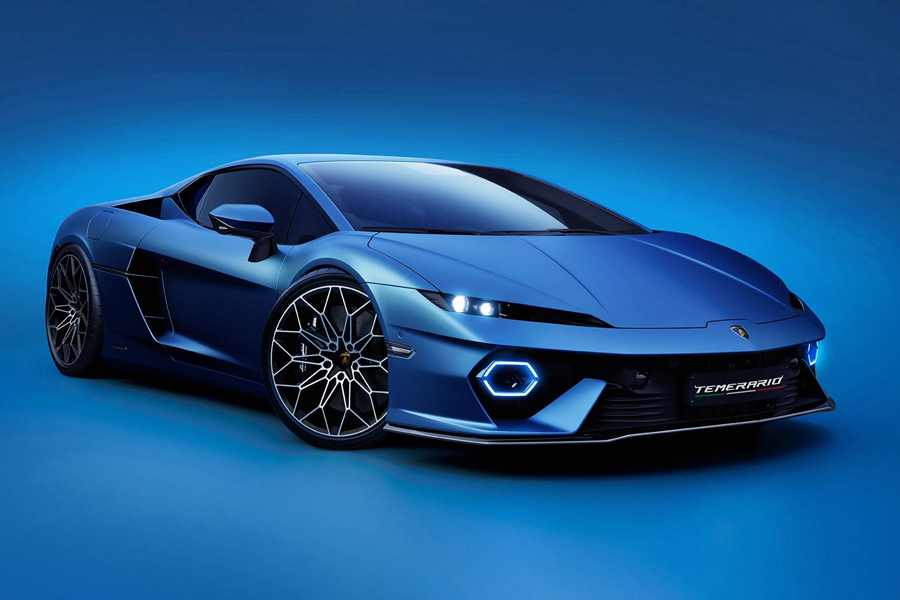
Lamborghini Temerario - Life in Classic
A clean-sheet supercar for a new era
Supercars often evolve in small steps, with platforms that live for a decade while engineers tweak what they can. Every so often, though, a truly fresh machine turns the page. Lamborghini’s 2026 Temerario is that kind of car. It feels familiar at first glance, yet it introduces a new template for performance, usability, and sustainability.
From the outset, the Temerario signals a shift in philosophy. It aims not only to raise lap-time potential, but also to deepen the emotional connection with technology that is here to stay. Moreover, it balances headline numbers with everyday livability. Therefore, it sets a high bar for super-sports cars that will follow.
Crucially, this isn’t a warmed-over follow-up to the Huracán. It is a ground-up package built to thrive on road and track. As a result, it promises both bigger speed and broader appeal.
Design and aerodynamics: subtle, smart, and effective
Compared with the final, wild iterations of the Huracán, the Temerario looks restrained. That restraint is deliberate. Lamborghini’s designers pursued more than a 100% increase in downforce versus the Huracán Evo without bolt-on wings or dive planes. Instead, they leaned into a sleek profile and geometric details to keep the airflow tidy and the stance unmistakably Lambo.
The proportions help the experience as well. The roof sits higher and the wheelbase stretches by 1.6 inches. Consequently, the cabin fits taller drivers more comfortably. Headroom and legroom both improve by a meaningful margin. Even with a helmet, six-foot-plus drivers can set the seat where they want and still have space to spare.
Underneath, an all-aluminum space frame boosts rigidity by more than 20% compared with the Huracán. Meanwhile, the car still keeps mass in check, a notable feat given its hybrid hardware. Altogether, the design looks clean, but it works hard.
Cabin and usability: physical controls, real confidence
Inside, the ergonomics mark a big step forward. Frequently used functions live on the steering wheel as real buttons, toggles, and knobs. As a result, you can raise the nose for a steep driveway, switch drive modes, trigger launch control (Lamborghini’s Thrust Mode), or adjust audio volume without diving into screens. Moreover, these controls work without taking eyes off the road.
The seating position is natural, and visibility is better than you might expect for a mid-engine exotic. Storage remains modest, with room for a small suitcase or a quick grocery run, but the essentials are covered. Additionally, ride compliance in the softer suspension setting makes long stints easier than before.
Overall, the Temerario feels engineered for actual driving rather than just spec-sheet glory. Consequently, owners will spend more time enjoying it, on more kinds of roads.
Hybrid powertrain: ferocity with finesse
The centerpiece is an all-new, twin-turbo 4.0-liter V8 with a flat-plane crank, dry sump lubrication, and a spine-tingling 10,000-rpm redline. Between the flywheel and the eight-speed dual-clutch gearbox sits an axial-flux electric motor. Up front, two more motors drive the wheels. Together, the system delivers 907 horsepower and 538 pound-feet of torque.
A 3.8 kWh lithium-ion battery lives in the central tunnel. It can supply about six miles of electric-only range and takes roughly 30 minutes on Level 2 charging. However, most charging happens on the move through the engine and regenerative braking.
Despite the added complexity, weight remains reasonable. Lamborghini quotes a 3,726-pound dry figure. Even with fluids, the Temerario likely stays under two tons. Meanwhile, the extra stiffness, the instant electric shove, and clever power distribution make the weight increase—about 300 pounds over an all-wheel-drive Huracán Evo—feel academic.
On the road and track: modes, manners, and speed
The Temerario starts in its all-electric Citta mode, which brings stealth to city streets and even highway speeds. Yet the fun begins when you explore the drive-mode matrix. There are four main modes—Citta, Strada, Sport, and Corsa—plus EV-related settings accessed via a steering-wheel dial. Recharge and Hybrid are available across all modes, while Sport and Corsa add a Performance setting that unlocks the full 907 horsepower.
EV-only operation can feel subdued off the line and on steep grades, and the engine’s warm-up sequence sometimes interrupts with a brief hiccup. However, once everything is up to temperature, the car settles into a polished rhythm. In Strada, the ride is firm but compliant, and the improved ergonomics shine on longer drives.