
Classic MG Cars: History, Iconic Models, Investment Value, and Care
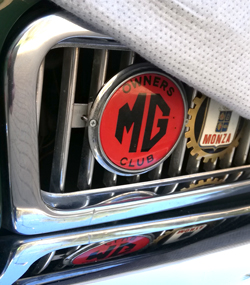
MG History at Life in Classic
MG is one of the most recognisable names in British motoring history. For decades, the brand represented affordable sports cars with character, simplicity, and strong driving engagement. From pre-war roadsters to post-war icons like the MGA and MGB, MG played a crucial role in making sports car ownership accessible to a global audience.
Today, classic MGs continue to attract enthusiasts and collectors who value their charm, usability, and historical importance.
The Origins of MG
MG was founded in 1924 by William Morris, originally as a way to produce sportier versions of Morris cars. The first MG model, the 14/28, already displayed one of the brand’s most enduring visual elements: the octagonal grille, which remains MG’s signature to this day.
By the late 1920s, MG had become part of Morris Motors, giving the brand the industrial backing needed to expand production and develop a broader range of models.
MG Before and After the War
The Pre-War Sports Cars
During the 1930s, MG built its reputation with lightweight, agile sports cars such as the MG Magnette, MG Midget, and early T-Series models. These cars combined relatively modest engines with excellent handling and became popular both in the United Kingdom and international markets.
Post-War Success and the Golden Era
After World War II, MG returned to civilian production with renewed success. The MG T-Series, produced between 1936 and 1955, became especially popular in export markets, particularly in the United States, where it helped shape the image of the classic British roadster.
The 1950s and 1960s marked MG’s peak popularity. The MGA introduced a more modern and streamlined design, while the MGB, launched in 1962, became one of the best-selling sports cars of all time. These models established MG as a brand that delivered driving enjoyment, visual appeal, and mechanical simplicity.
Corporate Changes and Brand Survival
Like many British manufacturers, MG faced increasing challenges in the 1960s and 1970s. The brand became part of British Leyland, a period marked by financial instability and declining competitiveness, although models such as the MGB GT and MG Midget remained in production.
In the 1980s, MG was integrated into the Rover Group, which repositioned the brand toward performance-oriented versions of mainstream cars, including the MG Metro, Maestro, and Montego.
Further ownership changes followed in the 1990s, including a period under BMW and the eventual collapse of MG Rover in 2005. The MG name was later acquired by SAIC Motor, which revived it as a modern, globally focused brand. Despite this evolution, classic MG models remain closely tied to the marque’s original sporting identity.
The Most Iconic Classic MG Models
Several MG models have earned iconic status thanks to their design, driving experience, and cultural significance.
The MG T-Series defined the traditional British roadster. Built between the late 1930s and mid-1950s, these cars are appreciated for their mechanical honesty, open-top driving experience, and historical importance.
The MGA represented a major stylistic leap forward, with smoother lines and improved aerodynamics. It remains a favourite among collectors who want classic aesthetics combined with improved usability.
The MGB is MG’s most famous model and one of the most popular classic sports cars ever built. Its long production run and excellent parts availability make it one of the easiest classics to own and maintain.
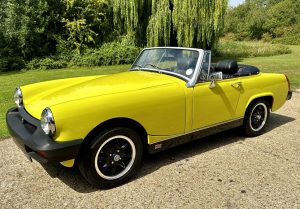
The MG Midget offers a smaller, lighter, and more playful driving experience. Its simplicity and agility continue to attract enthusiasts seeking an affordable entry into classic car ownership.
The MG Magnette stands out as a four-door sports saloon that combined performance with practicality. Well-preserved examples are increasingly valued for their understated elegance.
Are Classic MG Cars a Good Investment?
Classic MGs can offer solid long-term value, although they are generally not speculative investments. Their appeal lies in consistent demand and broad enthusiast support rather than dramatic price spikes.
Rarity plays an important role, with early models and limited-production versions commanding higher values. Condition and originality are equally critical, as well-maintained cars with correct specifications tend to perform best in the market.
Historical significance also matters. Models such as the T-Series and MGB benefit from their role in shaping MG’s global reputation. Demand remains stable thanks to a large international owner community, which helps support long-term values.
Ownership costs must be considered as well. One advantage of classic MGs is that maintenance and parts availability are generally more manageable than for many other classic marques, reinforcing their appeal as usable collector cars.
How to Protect and Preserve a Classic MG
Proper care is essential to maintaining both the condition and value of a classic MG.
Correct storage is fundamental. A dry, well-ventilated indoor environment helps prevent corrosion, interior deterioration, and paint damage.
For short-term or seasonal storage, it is advisable to use a fuel stabiliser, keep the battery maintained, and ensure all fluids are fresh.
Long-term storage requires additional preparation, including reducing tire load, monitoring rubber components, and inspecting the vehicle periodically.
Tire protection is particularly important, as long periods of inactivity can cause flat spots. Specialised tire mats help distribute weight evenly and reduce long-term damage.
A custom-fit car cover designed for the specific MG model provides effective protection against dust, moisture, and UV exposure. Breathable materials are essential to prevent condensation.
Regular maintenance remains important even when the car is not driven frequently. Routine inspections, fluid changes, and careful cleaning help preserve both mechanical reliability and appearance.
Conclusion
MG’s legacy is built on accessibility, enjoyment, and timeless British design. From the early T-Series to the ever-popular MGB, classic MG cars remain an important part of automotive history.
While they may not deliver extreme investment returns, classic MGs offer something equally valuable: a rewarding ownership experience supported by stable long-term demand. With proper storage, maintenance, and care, a classic MG can be enjoyed and preserved for generations to come.