
Toyota and Lexus unveil next-gen performance icons
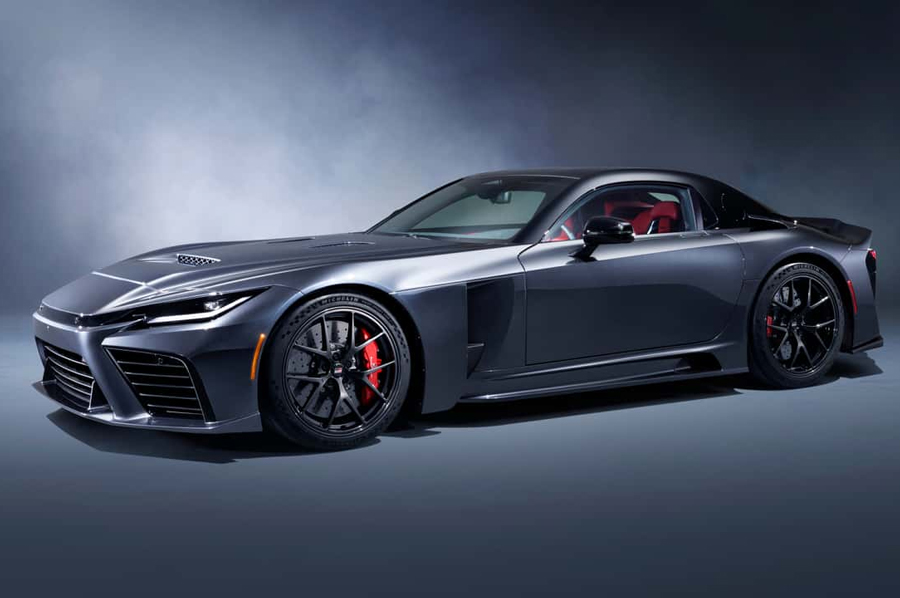
Toyota GR GT at Life in Classic
A New Chapter in Performance
Toyota Gazoo Racing and Lexus have opened a bold new era for enthusiasts with the world premiere of three headline concepts: the Toyota GR GT, the GR GT3 race car, and the Lexus LFA Concept. Framed by the promise that “the soul lives on,” the trio links modern engineering to two legends, the Toyota 2000GT and the original V10-powered Lexus LFA. The message is clear. Emotion, craft, and speed remain central to both brands.
This showcase blends a twin-turbo V8 hybrid for the road with a pure electric vision for the future. As a result, Toyota and Lexus present a multipath pathway to performance. Drivers who crave mechanical drama find it in the GR GT. Meanwhile, purists who live for track days get the GR GT3. And for those ready to embrace electric intensity, the LFA Concept signals what is next. Together, they reflect a shared goal: protect the thrill of driving while pushing technology forward.
GR GT: A Driver-First Hybrid Flagship
The Toyota GR GT moves from concept to road-legal reality as the halo of the GR brand. Built around an aluminum frame and wrapped in carbon fiber body panels, it prioritizes responsiveness and feedback. Inside, the cabin follows the same mission. Carbon bucket seats, a focused driving position, and a mix of digital displays with tactile switches keep the driver connected and in control.
Under the sculpted body, a newly developed 4.0-liter twin-turbo V8 sits in a “hot-V” layout with dry-sump lubrication. The engine works with a self-charging hybrid system, and a motor-generator integrates into an 8-speed wet-clutch automatic transaxle. Power goes to the rear wheels. Consequently, the package aims for instant response and sustained performance. Double-wishbone suspension, a 45/55 front-to-rear weight balance, carbon-ceramic brakes, and Michelin tires round out the hardware. Toyota targets a curb weight under 1,750 kg and a top speed beyond 199 mph.
Targets, Timelines, and the Numbers That Matter
Toyota indicates the hybrid V8 will produce more than 641 horsepower and 627 pound-feet of torque. Some reports suggest certain configurations could exceed 800 horsepower. Even so, the team highlights control, balance, and immersion as the key measures of success. The hot-V packaging lowers the center of gravity and shortens intake and exhaust paths. Therefore, the powertrain should deliver sharp throttle response and robust cooling under track stress.
Development continues with track testing and calibration. Meanwhile, the production GR GT is slated to reach customers in late 2027 as a 2027 model-year car. Pricing is expected to land in the half-million-dollar range. That positions the GR GT against the world’s premier supercars. Still, Toyota promises a distinct character: a driver-focused flagship that blends hybrid tech with the visceral sound and feel of a high-output V8.
GR GT3: Built to Win, Ready for Customers
Running in parallel, the Toyota GR GT3 brings the program to the grid. It shares core chassis architecture and the V8 with the road car. However, GT3 regulations prohibit hybrid systems, so the racer runs without the electrified components. This alignment between road and race cars ensures efficient development and a strong baseline for balance and reliability.
The GR GT3 will succeed the long-serving Lexus RC F GT3 across global series, including IMSA and the FIA World Endurance Championship. Customer teams can expect a comprehensive support package. Therefore, the car is designed not only for outright speed but also for serviceability and consistency over long events. Toyota targets a competitive debut in the 2027 season. If testing meets expectations, the GR GT3 should enter the arena with a well-proven platform and a clear path to results.
Lexus LFA Concept: Electric Emotion, Reimagined
Completing the trio, the Lexus LFA Concept previews a fully electric successor to one of the brand’s most revered nameplates. It carries over the fundamentals of an ideal driving position and lightweight construction, while its design signals a futuristic interpretation of the LFA’s sculpted form. The mission stays the same: deliver spine-tingling performance and a memorable connection between driver and machine.
Technical targets reflect that ambition. Lexus is exploring advanced battery technology, including solid-state cells, to reach a low-two-second 0–60 mph time and a projected range beyond 430 miles. If realized, those goals would pair supercar acceleration with touring capability. Moreover, careful packaging and software control should allow precise torque delivery and repeatable performance. In short,