
Citroën at Retromobile 2026: Concepts, Prototypes, and a Brand That Never Played Safe
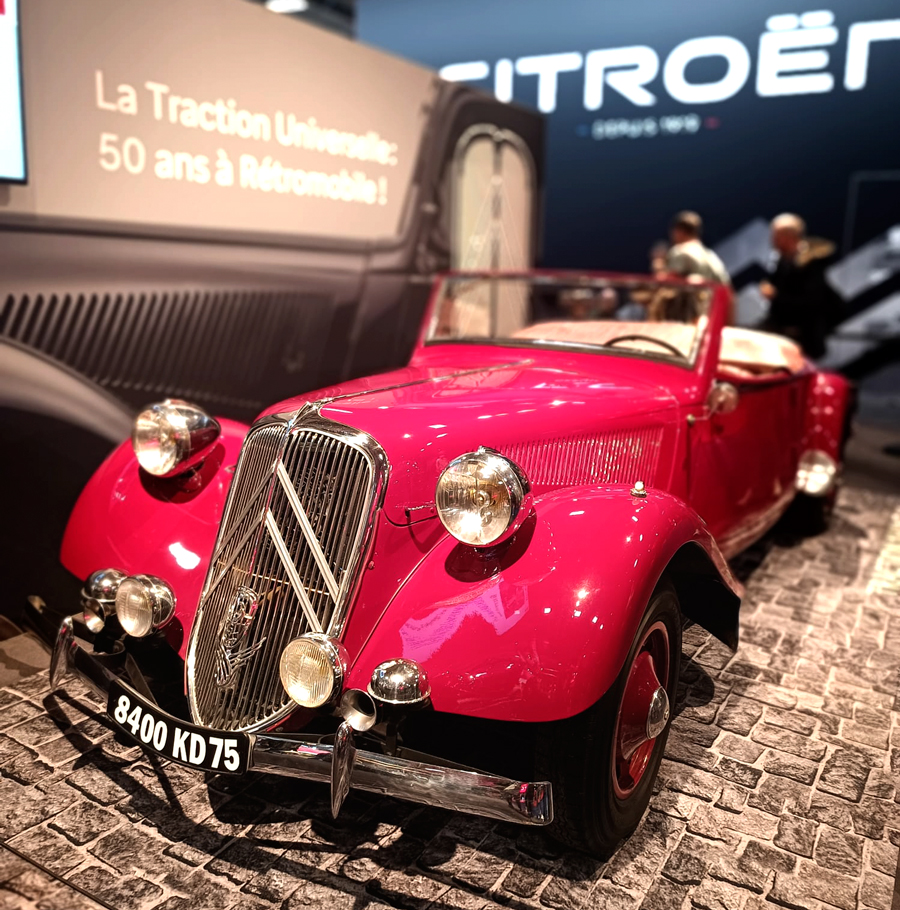
Citroen Traction at Retromobile 2026 - Life in Classic
Rétromobile 2026 filled Paris with the familiar mix of polish, history, and noise. The show returned to Paris Expo Porte de Versailles and celebrated its 50th edition. Visitors came for the big names and the rare metal. Many also came for ideas, not only for trophies.
Citroën understood that mood. The brand did not build a stand that felt like a shrine. It built a walk through time. The display focused on concept cars and prototypes. It used them to tell a simple story. Citroën has always tried to rethink the car, even when the answer looked strange.
That choice worked at Rétromobile. Many stands lean on prestige. Citroën leaned on curiosity. It invited people to look closely and ask why.
A Stand Built Like a Timeline
Citroën designed the stand as a journey. Each car marked a moment when the brand tested a new path. Some cars aimed at pure function. Others chased shape, space, or new ways to live with a vehicle. The point did not sit in any single model. The point sat in the pattern.
You could feel that pattern in the crowd. People moved slowly around the cars. They leaned in to read the placards. They pointed at details. They debated what mattered. That reaction said more than any press line. The stand created conversation, and it did so through objects.
Starting With the 2CV Idea
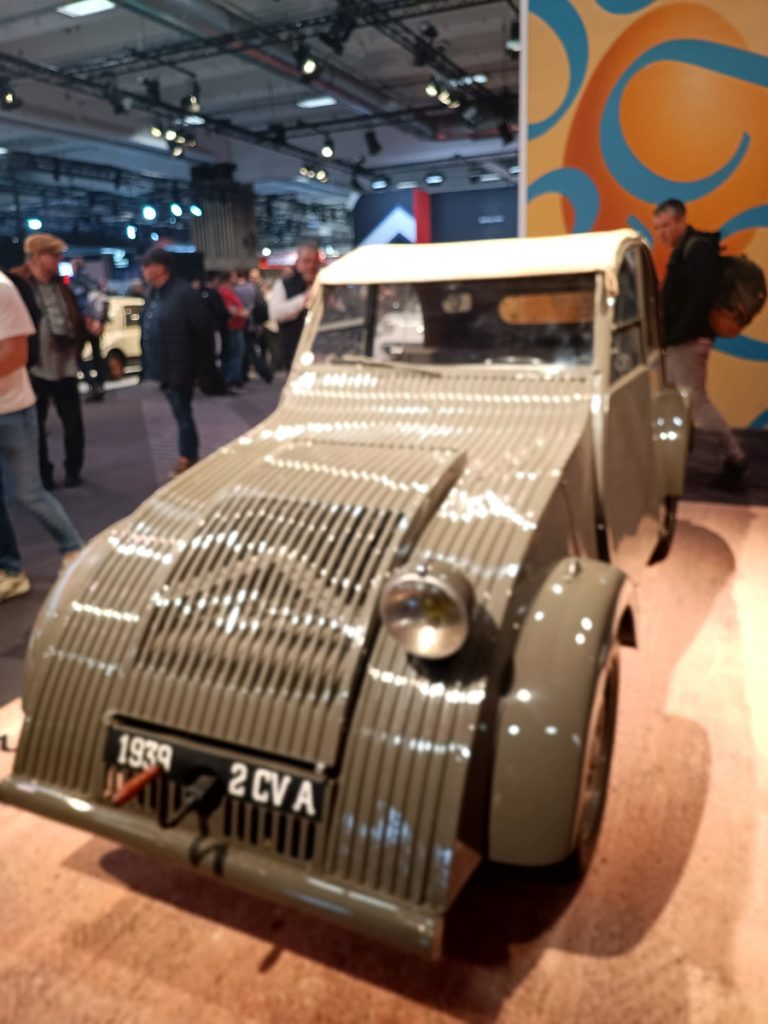
Every story needs a clear beginning. Citroën chose the 2CV A prototype for that role. The car makes its case without drama. It looks simple because it is simple. The shape puts function first. The structure looks honest. The whole car speaks in plain language.
That matters because the 2CV mindset shaped the brand. Citroën did not chase luxury here. It chased access. It chased ease. It chased a form of comfort that came from smart choices, not expensive ones.
At Retromobile, the 2CV prototype also sets the baseline. It shows the brand at its most direct. It also helps the later concepts make sense. When Citroën turns weird, it often turns weird for a reason. The 2CV shows that reason. It starts with real life.
The 1950s and the Search for Efficiency
From the 2CV, the stand jumps into the mid-century years. This part of the story looks calm at first. Then it starts to feel bold. Aerodynamics began to influence design across the industry. Citroën joined that search in its own way.
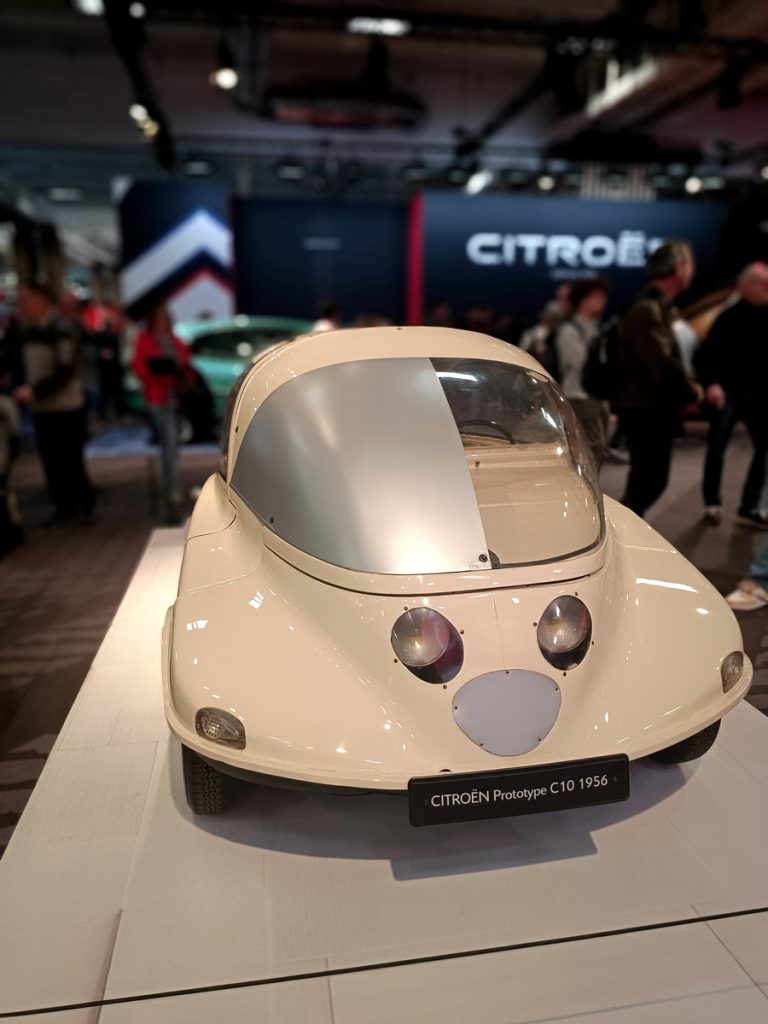
The C10 prototype from 1956 stands out in this section. Its profile follows airflow more than tradition. The glazing feels light and airy. The body tapers toward the rear. The car looks like an experiment because it is one.
The C10 does not need to “predict” a production model to matter. It shows how Citroën worked. The brand took a clear goal, then tried to solve it with form. That goal included efficiency. It also included stability and comfort. The C10 suggests that Citroën saw shape as a tool, not as decoration.
This is also where the stand starts to teach a lesson. Innovation does not always arrive as a big jump. It often arrives as a series of tests. Prototypes like the C10 keep those tests visible.
When Concepts Became Statements
The stand then moves into a period when concept cars turned into cultural objects. Designers used them to provoke. They tried new cabin ideas. They played with geometry. They made cars that looked like the future, even when the future stayed out of reach.
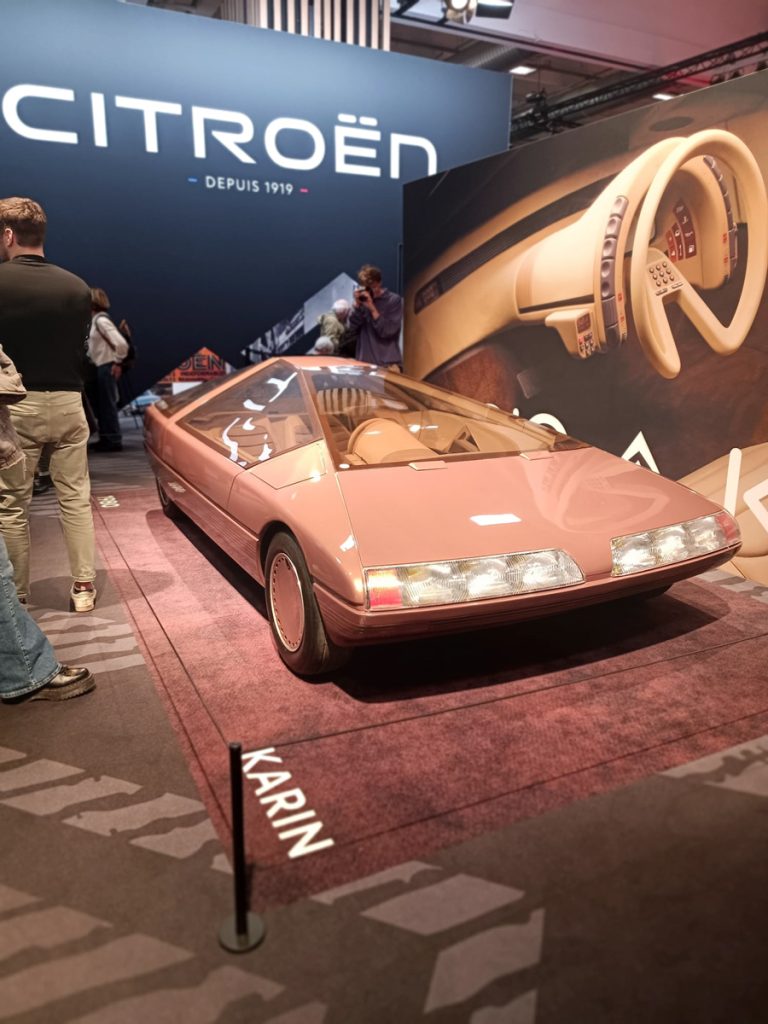
Citroën Karin captures that spirit. It looks sharp, bold, and almost unreal. The lines feel deliberate. The shape refuses to blend in. Karin does not ask for approval. It asks for attention.
In a classic-car hall, that kind of car changes the rhythm. Many classics aim for elegance. Karin aims for a question. It forces you to think about layout and visibility. It pushes you to imagine a different driving position. It also reminds you that Citroën has a long history with radical thinking, not only with charming small cars.
Karin also works because it sits inside a longer thread. Citroën did not show it as a random stunt. It showed it as one step in a long habit of risk.
Space, Light, and the Human Cabin
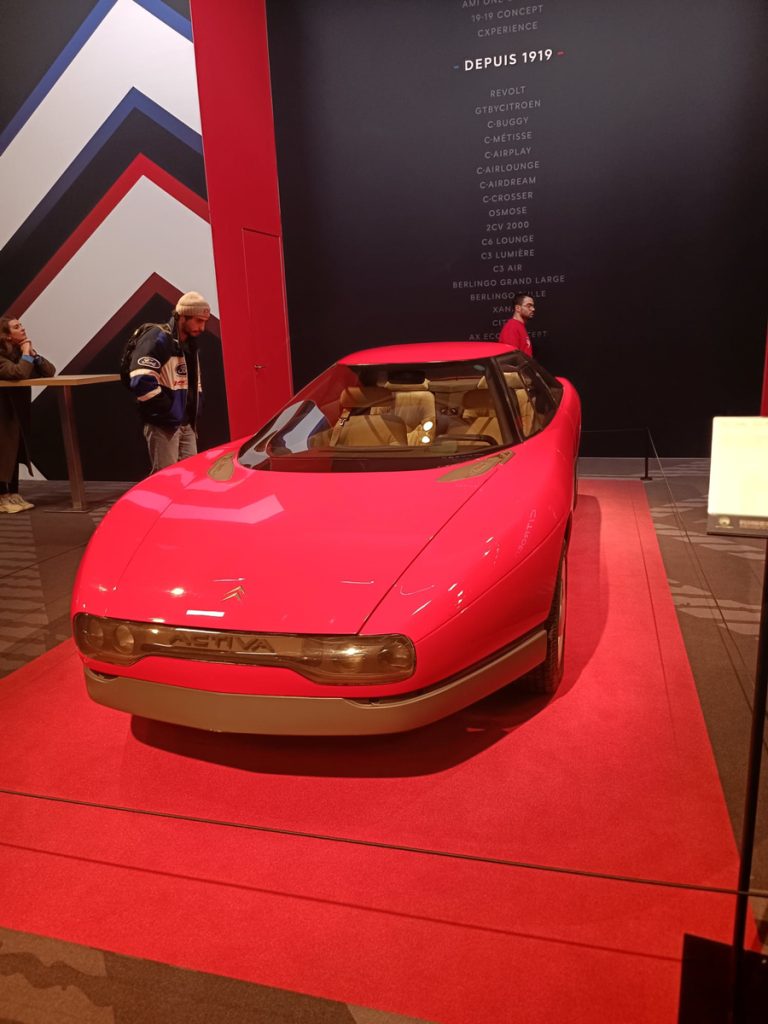
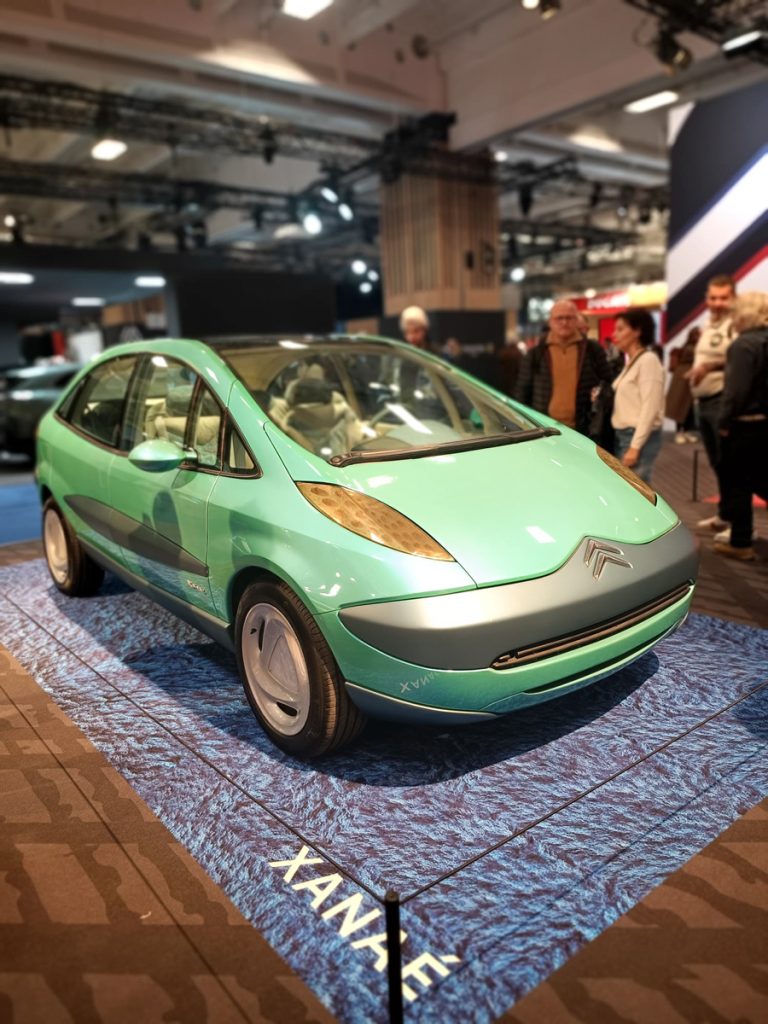
As the timeline reaches the 1990s, the stand feels closer to daily life again. Citroën used several concepts to explore the cabin as a living space. The Xanae concept stands as a key example.
Xanae does not read like a supercar dream. It reads like a new answer to a family need. It focuses on space. It values visibility. It suggests a more open, flexible interior. It also treats comfort as a core feature, not as an extra.
This part of the display feels important for a European audience. European roads and cities demand smart packaging. Citroën often excelled at that. Xanae shows that the brand did not accept the standard template. It tried to improve the experience from the inside out.
It also connects to the wider story of the period. Many makers later pushed into MPVs and people movers. Citroën explored those ideas early and in its own style.
Simplicity as a Modern Rebellion
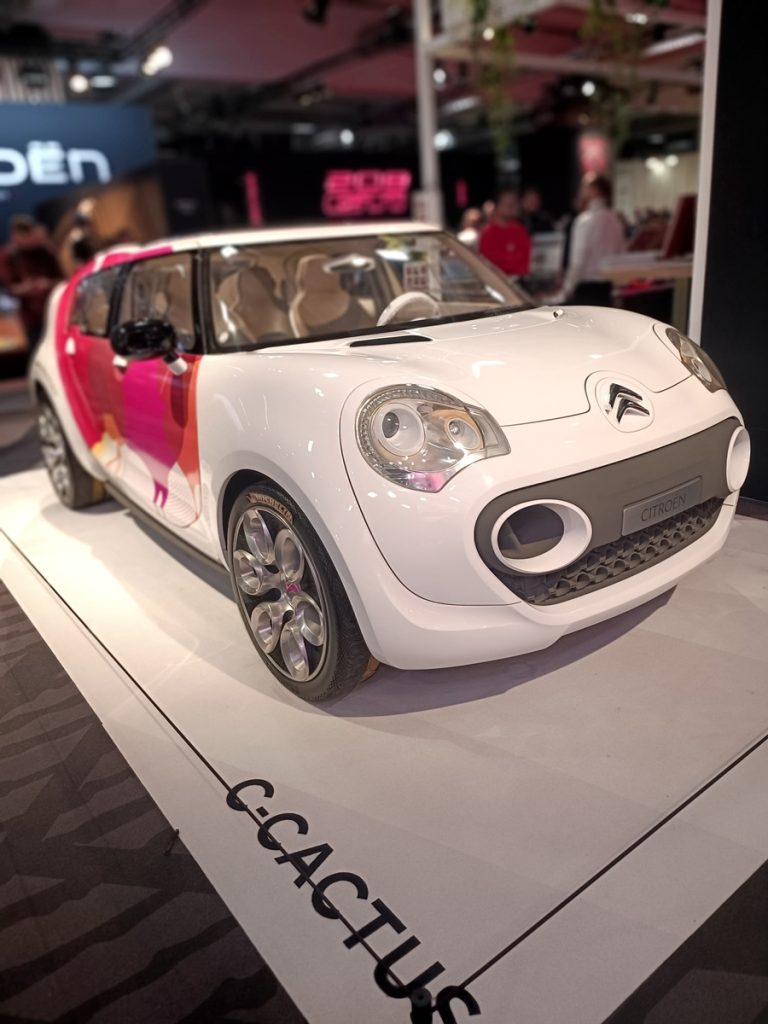
The C-Cactus concept brings the narrative into a more modern frame. Its message does not rely on extreme shapes. It relies on restraint. The concept values lightness. It values practical surfaces. It looks friendly, not aggressive.
That approach carries real weight today. Many modern cars add complexity. They add screens, systems, and layers of trim. Citroën used C-Cactus to test the opposite approach. It asked a simple question: what if a car felt smart because it stayed simple?
This is not the kind of idea that grabs headlines in the moment. Yet it often shapes later design language. It also fits Citroën’s identity. The brand has long used clever solutions to deliver comfort and ease. C-Cactus updates that tradition without pretending to be something it is not.
It also keeps the stand from feeling like a museum. It reminds visitors that Citroën still thinks in concepts, even when those concepts look calm.
A Look Toward Tomorrow
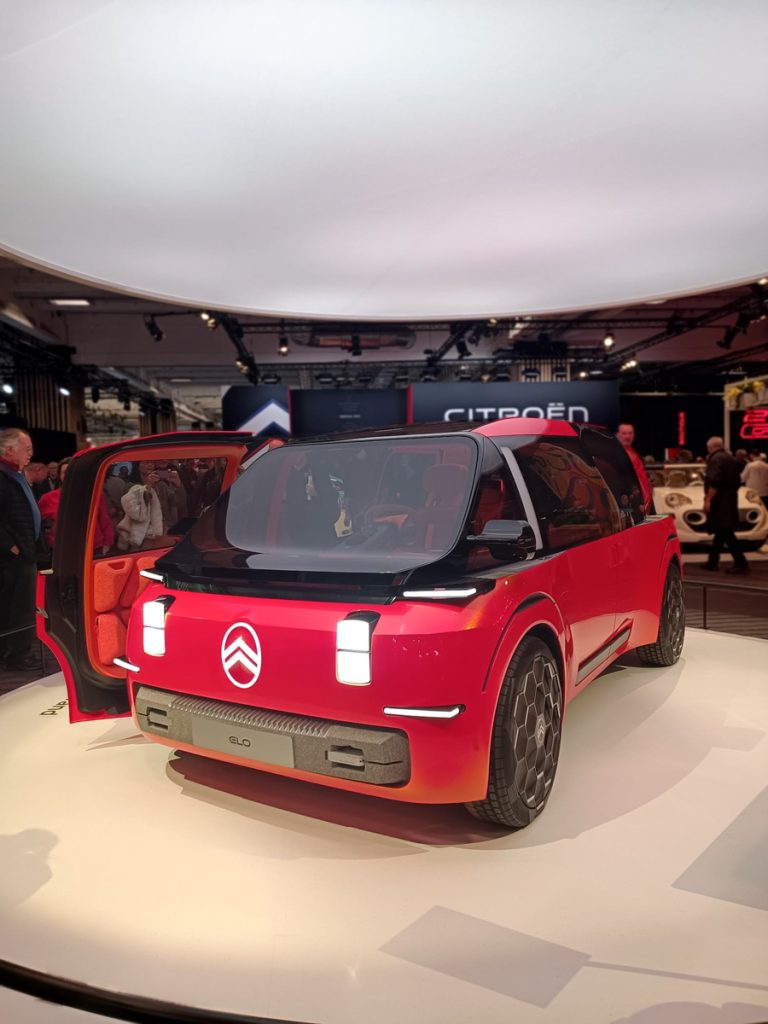
Citroën also used Retromobile to point forward. The stand included a newer concept that spoke to future mobility. That choice mattered, especially at an anniversary edition. The brand could have stayed in the past. Instead, it tried to link past thinking to future needs.
That link does not require a promise. It only requires intent. Citroën’s best concepts rarely aimed to impress only with style. They aimed to test a new way to use a car. That goal matters in an era shaped by electric power, city limits, and new material choices.
This section of the stand added balance. It kept the timeline alive. It also reinforced the key message: Citroën treats the car as a problem worth solving again.
The Traction Avant as an Anchor
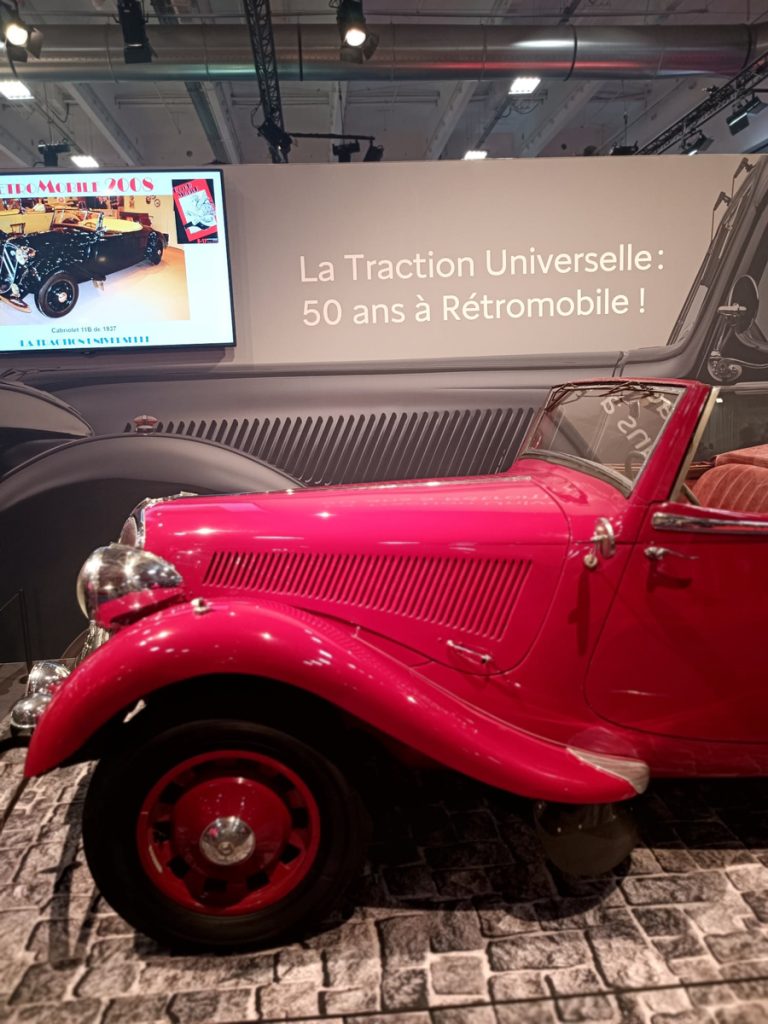
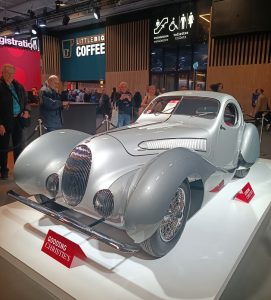
A timeline of concepts can drift into abstraction. Citroën avoided that by grounding the stand with an older icon. The Traction Avant 15-6 Cabriolet prototype from 1939 played that role. The car carries history in its stance and details. It also carries a kind of glamour that still feels fresh.
This anchor does more than add beauty. It connects the idea of innovation to a classic that changed its era. Traction Avant helped define modern thinking in its time. It pushed structure and road manners forward. It also proved that bold engineering could reach real customers.
Placed beside concept cars, the Traction makes a strong point. Citroën’s experiments did not live only on paper. Sometimes they became the cars that people now treat as legends.
Why This Stand Fit Retromobile’s 50th Edition
Rétromobile celebrates craftsmanship and memory. Yet it also celebrates curiosity. The best stands give visitors a reason to look again. Citroën did that by focusing on ideas, not only on status.
The stand showed a brand that repeats a pattern. It starts with a need. It takes a risk. It tests a form. It learns from the result. Then it tries again. That pattern runs from the 2CV mindset to aerodynamic studies, to cabin experiments, to clean modern simplicity.
For many visitors, that story feels more honest than a wall of trophies. It also suits Citroën. The brand has always lived a little outside the mainstream. At Retromobile 2026, it turned that outsider streak into a clear narrative.
In the end, the stand suggested a simple takeaway. Classic cars matter because they show what people once built. Concepts matter because they show what people once dared to imagine. Citroën brought both to Paris. The result felt right for a show that has reached fifty years, and still wants to surprise.