
Honda CBX: Six-Cylinder Superbike Turned Collector Icon
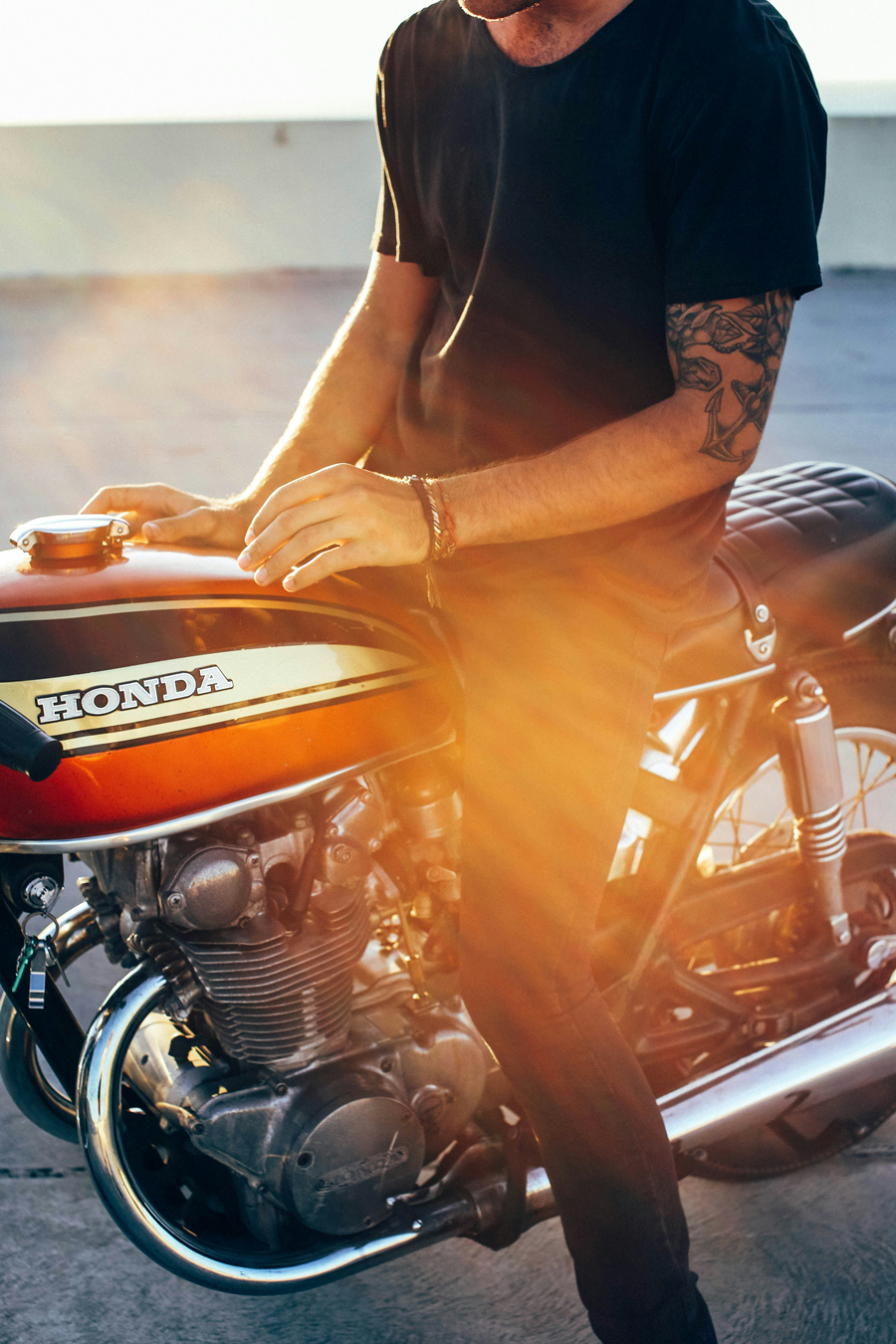
Honda CBX at Life in Classic
A Bold Debut in 1979
Many vintage machines that now ignite bidding wars arrived to lukewarm applause when new. Honda’s 1979–1982 CBX fits that arc perfectly. The big Honda stormed into showrooms with an inline six, 1,047 cc of displacement, and more than 100 horsepower. It looked and sounded like a factory hot rod, a refined brute built to rev and run. Reviewers praised its power and the silk-smooth delivery that came with six cylinders.
However, the applause did not translate into strong sales. Buyers admired the spectacle, yet many chose cheaper, lighter, or simpler liter bikes. Even so, the CBX set a tone. It established a new high-water mark for multi-cylinder street performance and set Honda apart for audacity. On the road, it delivered real numbers: period tests recorded quarter-mile blasts in the low 11s and top-end runs beyond 130 mph. The promise felt real the moment the throttle opened.
Engineering the Inline-Six Marvel
The CBX emerged from the mind of Shoichiro Irimajiri, the engineer behind Honda’s howling Grand Prix sixes of the 1960s. He scaled that racing DNA for the street. The road-going six used an oversquare 64.5 mm by 53.4 mm layout to spin freely. Pentroof combustion chambers, centrally placed spark plugs, and small, light valves supported the revs. A modest 9.3:1 compression ratio kept it happy on pump gas.
Dual overhead camshafts met in the center and ran via a chain off intermediate timing gears. The crankshaft used a 120-degree layout and seven main bearings, which kept the six smooth at redline. Six 28 mm Keihin CV carburetors handled fueling, and an accelerator pump sharpened response. Twin three-into-one exhaust headers framed the engine and delivered a refined bark rather than a shout.
Honda also packaged the ancillaries cleverly. Engineers tucked the ignition system and a large 350-watt alternator behind the crank, driven by an intermediate shaft. A slipping friction clutch on the alternator reduced parasitic drag as revs rose. The engine served as a stressed frame member, and the cylinders leaned forward 33 degrees. That tilt lowered the mass and grew knee room. The chassis packed Comstar wheels, triple disc brakes, and a five-gallon tank. Fully fueled, the CBX weighed north of 580 pounds, yet it still felt eager when the tach swept upward.
Performance Meets Reality in the Showroom
On paper and on the road, the CBX impressed. In the showroom, the story turned. Rival liter bikes from Suzuki and Kawasaki cost less, carried fewer carburetors, and handled with more agility. In 1980, Suzuki introduced the GS1100 with a four-valve four-cylinder engine. It undercut the CBX by roughly $600 and chipped a few tenths off its quarter-mile times. For many riders, that math mattered more than six cylinders.
Meanwhile, Kawasaki launched the KZ1300, a six built for performance touring. It did not target the same rider, but it diluted the CBX’s exclusivity. The market had seen sixes before as well: Benelli’s Sei arrived earlier in the decade. Consequently, the CBX’s greatest strength—its astonishing engine—could not single-handedly carry the sales race. Dealers moved them, but often with effort and incentives.
The Touring Pivot and Pro-Link Years
Honda pivoted in 1981. The CBX traded naked aggression for long-haul intent, arriving with a frame-mounted fairing and hard saddlebags. Underneath, Honda added its new Pro-Link single-shock rear suspension with air assist. Up front, 39 mm forks boosted control. The idea was clear: keep the six’s charisma and add real-world comfort and stability.
Some riders took the deal. One famous example, Jay Leno, bought a brand-new 1981 CBX after crashing his ’79. He reportedly paid around $2,100, far below the $5,495 list price. Even with the touring refocus, the CBX’s run ended after 1982. Leftover bikes lingered on showroom floors for years, a coda that seemed to underscore the gap between spectacle and sales. Yet time has a way of reshaping reputations.
From Leftover to Legend
By the early 1990s, a new generation of enthusiasts rediscovered the CBX. Many had admired it in their youth and now had the means to buy one. Owners’ groups, including the International CBX Owners Association, helped with knowledge and parts. As interest rose, so did values. In the 2000s, solid riders often sold for more than the original MSRP, and excellent examples commanded five figures.