
Jaguar: History, Iconic Models, Investment Potential, and Care Tips
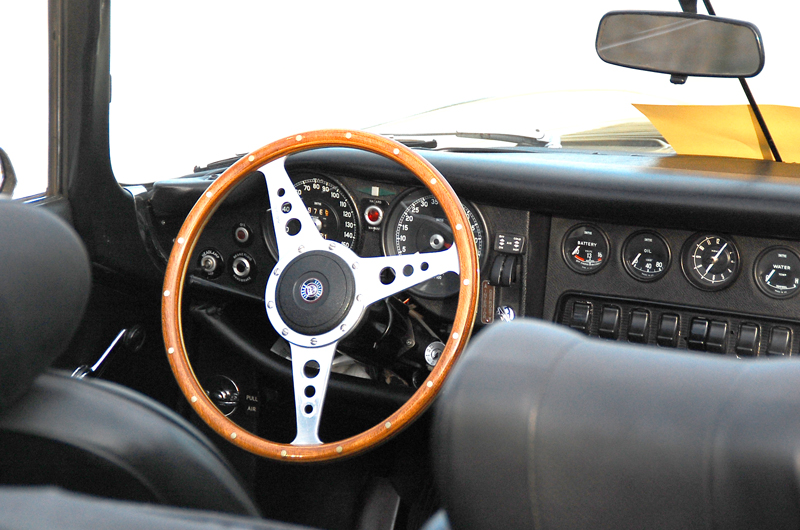
Jaguar at Life in Classic
Jaguar is one of the most recognisable names in British automotive history. For more than a century, the brand has combined performance, elegance, and engineering ambition, producing cars that are as desirable today as they were when first unveiled. From Le Mans–winning racers to refined saloons, Jaguar occupies a unique place in the classic car world.
This article explores Jaguar’s history, the models that have become strong collector investments, and how to properly care for a classic Jaguar to preserve both its beauty and its value.
A Brief History of Jaguar
Jaguar’s origins date back to 1922, when the company was founded as the Swallow Sidecar Company. Initially focused on motorcycle sidecars, the business gradually evolved into coachbuilding and, eventually, full car production.
In 1935, the company launched its first complete automobile, the SS Jaguar 2.5-Litre Saloon, a refined and well-received model that helped establish Jaguar as a serious manufacturer. Following the Second World War, the brand was renamed Jaguar Cars Limited in 1945, marking the beginning of its modern identity.
The Golden Era: 1950s and 1960s
Jaguar’s most celebrated period came during the 1950s and 1960s. Models such as the XK120, Mark 2, and, most famously, the E-Type, defined the brand’s reputation for blending speed with elegance.
Released in 1961, the Jaguar E-Type stunned the automotive world. With its aerodynamic design and powerful engine, it became an instant icon and is still regarded as one of the most beautiful cars ever made.
Challenges and Ownership Changes
In 1968, Jaguar merged into British Motor Holdings, which later became British Leyland. The following decade was difficult, marked by quality issues, labour disputes, and declining competitiveness.
Jaguar regained independence in 1984 before being acquired by Ford shortly thereafter. Under Ford’s ownership, the brand experienced a revival in the 1990s, introducing models such as the XK8 and the technologically ambitious XJ220.
The Tata Motors Era
In 2008, Jaguar was acquired by Tata Motors, a move that proved decisive. Significant investment allowed Jaguar to modernise its platforms, expand globally, and re-establish itself as a premium brand. Today’s lineup includes the F-Type, XE, XF, and the all-electric I-PACE, while the brand continues to draw heavily on its heritage.
Jaguar Quality and Reliability Over Time
Jaguar’s reputation for reliability has varied throughout its history. Earlier decades, particularly during the British Leyland period, left the brand with a mixed image regarding durability.
In recent years, however, Jaguar has made substantial improvements. Investment in quality control, testing, and manufacturing processes has led to more consistent results across modern models. Independent reliability studies show fluctuations by model and year, but the overall trend reflects steady progress.
For classic Jaguars, reliability depends less on brand reputation and more on maintenance history, restoration quality, and correct storage. A well-maintained Jaguar can be both dependable and rewarding to own.
Which Jaguar Models Are the Best Investments?
Jaguar has produced several cars that are now considered blue-chip collectibles. While classic car values can fluctuate, certain models consistently attract strong demand.
Jaguar XKSS
The Jaguar XKSS is among the most valuable Jaguars ever built. Created in 1957 as a road-legal version of the D-Type, production was cut short after a factory fire, leaving only 16 original cars. Today, XKSS values reach well into eight figures.
Jaguar E-Type Lightweight
Built specifically for racing, the E-Type Lightweight was produced in extremely limited numbers. Its rarity, motorsport pedigree, and connection to one of Jaguar’s most iconic designs make it a multi-million-euro collector car.
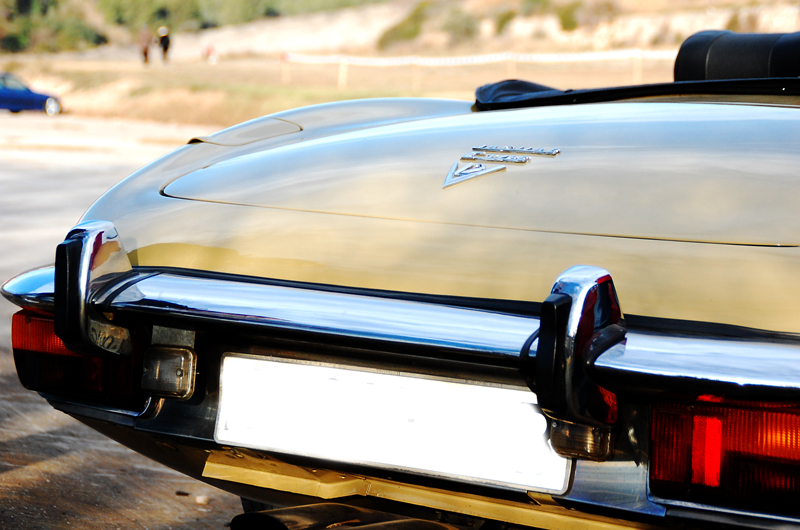
Jaguar D-Type
The D-Type remains one of the most important racing cars in history, having won the 24 Hours of Le Mans three times in the 1950s. With fewer than 80 examples built, original D-Types regularly achieve record auction prices.
Jaguar XJ220
Once controversial, the XJ220 has matured into a respected modern classic. As the fastest production car of its era, its limited production and engineering significance continue to drive long-term appreciation.
Jaguar Mark 2
The Mark 2 saloon represents Jaguar’s elegance in a more accessible form. Well-preserved examples with original specifications are increasingly sought after and can command strong prices in today’s classic market.
Investing in classic Jaguars requires careful research. Condition, originality, provenance, and market timing all play a critical role in long-term value.
How to Care for a Classic Jaguar
Owning a classic Jaguar is as much a responsibility as it is a pleasure. Proper care protects both mechanical integrity and historical value.
Proper Storage
A classic Jaguar should always be stored in a dry, cool, and well-ventilated indoor space. Exposure to sunlight, humidity, and temperature fluctuations can accelerate wear to paint, leather, rubber, and chrome.
Long-Term Storage Preparation
For extended storage periods, additional precautions are essential:
- Use fuel stabilisers to prevent degradation.
- Keep the battery healthy with a battery maintainer.
- Ensure fluids are fresh and at correct levels.
Tire Protection
Classic cars are particularly vulnerable to tire deformation. Long periods of inactivity can cause flat spots or premature aging. Specialised tire mats help distribute weight evenly and preserve tire integrity.
Use a Custom Car Cover
A custom-fit car cover is one of the most effective ways to protect a classic Jaguar. The ideal cover should:
- Fit the exact Jaguar model
- Use breathable materials to prevent condensation
- Offer UV protection for paint and interior surfaces
Regular Maintenance
Even when not driven regularly, classic Jaguars require scheduled maintenance. Oil changes, fluid checks, and periodic inspections by a Jaguar specialist help prevent small issues from becoming costly repairs.
Conclusion
Jaguar’s legacy is built on innovation, beauty, and performance. From legendary racing cars to refined saloons, the brand has created some of the most desirable classics in automotive history.
For collectors and enthusiasts, certain Jaguar models offer strong investment potential, while proper care and storage ensure these vehicles remain in exceptional condition for decades to come. A classic Jaguar is not merely a car—it is a piece of British motoring heritage, best preserved with knowledge, patience, and respect.