
Murciélago Ignites Lamborghini’s 21st Century Era
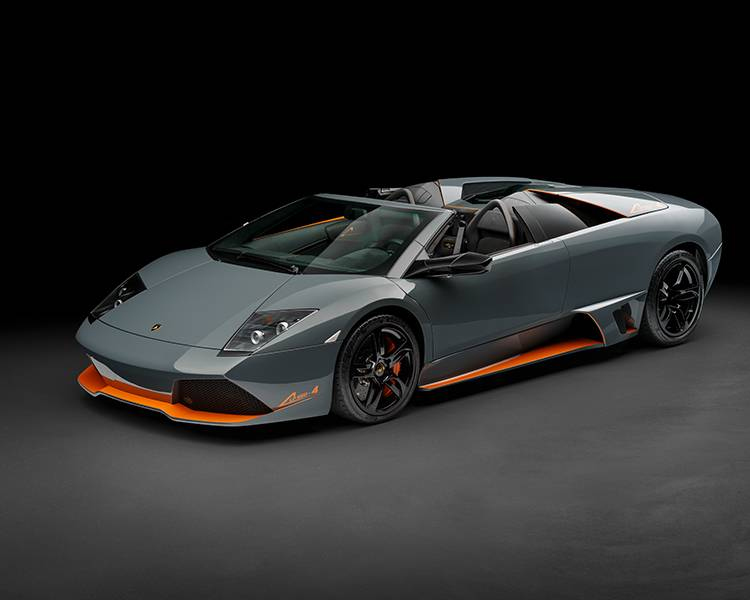
Lamborghini Murcielago at Life in Classic
A new era for Lamborghini
When the Murciélago debuted at the 2001 Frankfurt Motor Show, it signaled far more than a model launch. It marked Lamborghini’s first clean-sheet supercar of the 21st century, and it reset expectations for the brand. The shape was dramatic yet disciplined. The performance was ferocious yet refined. And the message was clear: Lamborghini had entered a fresh chapter.
Today, that moment feels even more significant as early examples gain attention with collectors. A well-specified 2004 six-speed coupe is set to cross the block at the 2026 Barrett-Jackson Scottsdale Auction. For admirers of analog exotics, it represents a rare chance to capture the supercar that relaunched the Raging Bull for a new generation.
Heritage in a name
Like many Lamborghinis, the Murciélago draws its name from the bullring. In 1879, a bull called Murciélago showed such courage in a duel with matador Rafael Molina that the fighter spared its life. That mercy was unusual and it cemented the animal’s legend. The bull later went to breeder Antonio Miura and sired a new line of fighting bulls.
Enthusiasts will recognize the Miura name from Lamborghini’s own canon. The Miura supercar of the late 1960s helped define the genre. The Murciélago, therefore, carries a layered legacy. Even its Spanish name translates to “bat,” a nod that seems fitting when the car’s side intakes open like small wings during hard running.
Design and development under Audi
After years of shifting ownership, Lamborghini joined the Audi-Volkswagen Group in 1998. That change proved transformative. Investment flowed. Processes modernized. And according to the company, the Murciélago became its first model designed entirely on computer. It also incorporated technical know-how from its new parent, bringing fresh rigor to the brand’s wild heart.
Styling brought those advances to life. Conceived within Lamborghini’s in-house Centro Stile, the Murciélago blended heritage cues with a confident, modern stance. The wedge evoked the Countach. The sensual surfaces nodded to the Miura. The bold proportions recalled the Diablo. Yet the whole design felt new, cohesive, and unmistakably Lamborghini.
Power, control, and the “bat wings”
Beneath the engine cover sits a 6.2-liter V12. It is larger than the Diablo’s unit and far more advanced. With variable-geometry intake runners and variable valve timing on both intake and exhaust, the engine delivers 575 horsepower and 479 lb-ft of torque. The numbers were imposing then. They still are today.