
Top Winter Tires for Safer Cold-Weather Driving
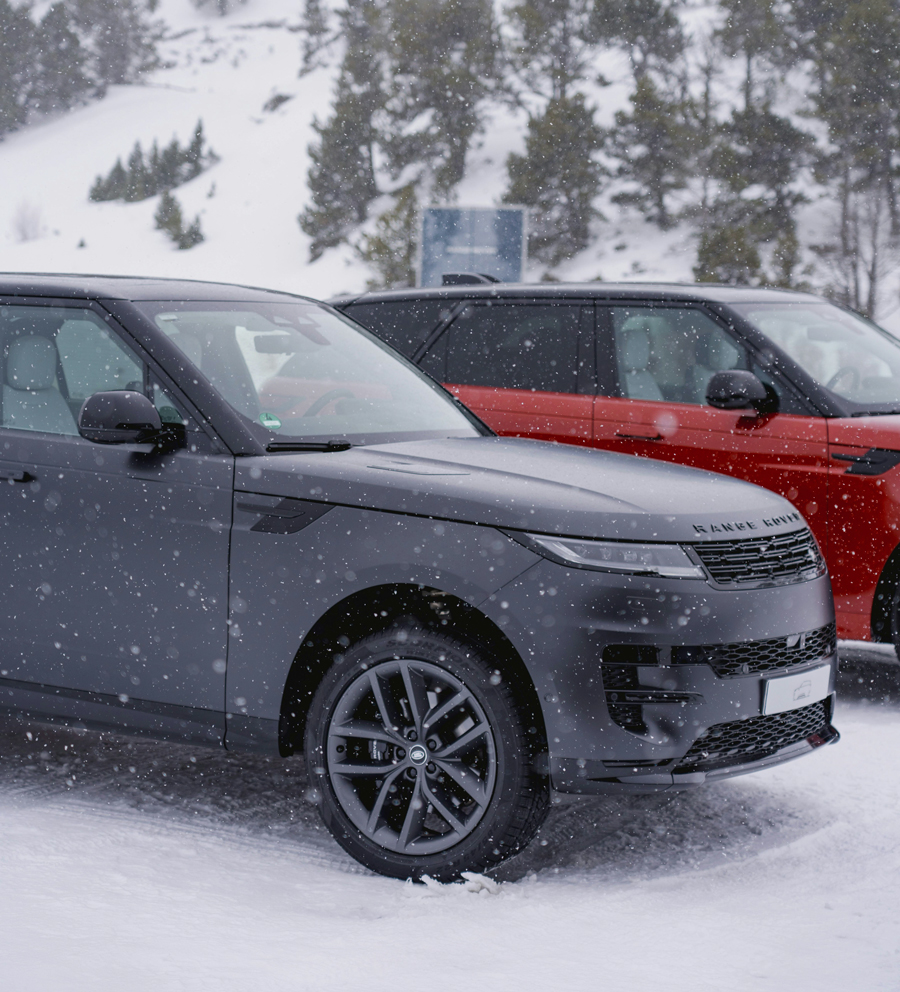
snow driving tyres at life in classic
When winter grips the road and temperatures sink below freezing, the right set of tires can make all the difference. Dedicated winter and snow tires are engineered to outperform all-season rubber when the mercury drops, offering superior traction, shorter stopping distances, and more predictable handling on snow and ice. Independent testing, including Consumer Reports’ latest evaluations, continues to highlight a few standout models that deliver confidence in the toughest conditions.
Why dedicated winter tires matter
Winter tires are built with a cold-focused mission. Their rubber compounds remain pliable below about 45°F (7°C), allowing the tread to conform to frozen surfaces rather than hardening like typical all-season tires. Deep grooves and dense, fine slits called sipes create countless biting edges that claw into snow and shed slush. The result is better grip when accelerating, more control when turning, and crucially, shorter, straighter stops on slick roads.
Safety experts consistently recommend installing four matching winter tires. Mixing winter and all-season tires can upset a vehicle’s balance and stability, especially during emergency maneuvers. Even all-wheel-drive vehicles need winter tires to fully realize their capabilities; AWD helps you get moving, but only proper winter rubber helps you steer and stop.
Standout winter and snow tires
Across a range of vehicle types and sizes, a handful of models consistently rise to the top in winter testing.
– Nokian Hakkapeliitta R5: A perennial favorite, this studless tire is widely praised for its confident snow traction and strong ice braking. Nokian embeds microscopic “arctic grip crystals” in the tread compound to maintain bite as the tire wears, helping sustain performance over the life of the tire. It’s offered for passenger cars, and there’s a dedicated R5 SUV version for larger crossovers and pickups that aims to balance winter grip with fuel efficiency.
– Bridgestone Blizzak: The Blizzak family has long been synonymous with winter mastery. Models such as the WS90 (for general use) and LM005 (for performance applications) are frequently commended for their exceptional grip on ice and packed snow. Like many premium winter tires, they use soft, high-silica compounds that should be reserved for cold weather; running them through warm months can accelerate wear.
– Continental VikingContact 7: Designed for Nordic conditions, the VikingContact 7 is celebrated for its well-rounded performance across a variety of cold surfaces. It offers reassuring traction in snow and slush and predictable handling when roads transition from wet to icy.
– Michelin X-Ice Snow: Known for its rare combination of winter capability and longevity, the X-Ice Snow carries a 40,000-mile warranty—unusual in this category. It earns high marks for wet braking, ice traction, and snow performance while maintaining civilized road manners.
– Michelin Pilot Alpin PA4: Drivers of sporty sedans and coupes who refuse to park their cars until spring often favor the Pilot Alpin PA4. It blends winter traction with sharper steering feel and stronger dry-road stability than typical snow tires, and it resists hydroplaning in slushy conditions.
All-weather tires: a year-round alternative
If your winters are moderate but you still face occasional snow or early-morning ice, all-weather tires can be a smart compromise. Unlike standard all-season tires, true all-weather models carry the three-peak mountain snowflake (3PMSF) symbol, indicating they meet a recognized winter traction standard. They won’t match a top-tier winter tire on glare ice or in deep snow, but they outperform traditional all-seasons when the weather turns.
– Michelin CrossClimate2: This premium all-weather tire is frequently cited for balanced winter traction and impressive durability, with a projected tread life that can exceed 90,000 miles in testing scenarios.
– Nokian Remedy WRG5: Another strong all-weather option, the WRG5 earns top marks for snow traction among its peers while maintaining stable, year-round performance.
Choosing and using the right tires
Selecting the ideal tire depends on your climate, driving patterns, and vehicle. If you regularly see sustained subfreezing temperatures, frequent snowfalls, or icy mornings, dedicated winter tires are the safer bet. For milder regions with intermittent snow, all-weather tires with the 3PMSF symbol can deliver a welcome boost in winter confidence without the seasonal swap.
A few practical tips will help you get the most from your investment:
– Install four matching tires to maintain balanced handling and braking.
– Mount winter tires when daytime highs consistently hover around 45°F (7°C) and swap back in spring.
– Check tire pressure often; it drops about 1 psi for every 10°F decrease in temperature.
– Consider a second set of wheels for your winter tires to simplify seasonal changes and protect your primary wheels from road salt.
– Store off-season tires in a cool, dry place away from sunlight and clean them before storage.
– Verify compatibility with your vehicle’s load and speed ratings, and consult professional installers if you’re unsure.
With so many strong choices available, the smartest approach is to match a highly rated model to your vehicle’s size and your local conditions. Detailed, up-to-date testing from independent sources such as Consumer Reports can help you compare snow traction, ice braking, wet handling, noise, and tread life side by side, ensuring you pick the right tire for your winter reality.